

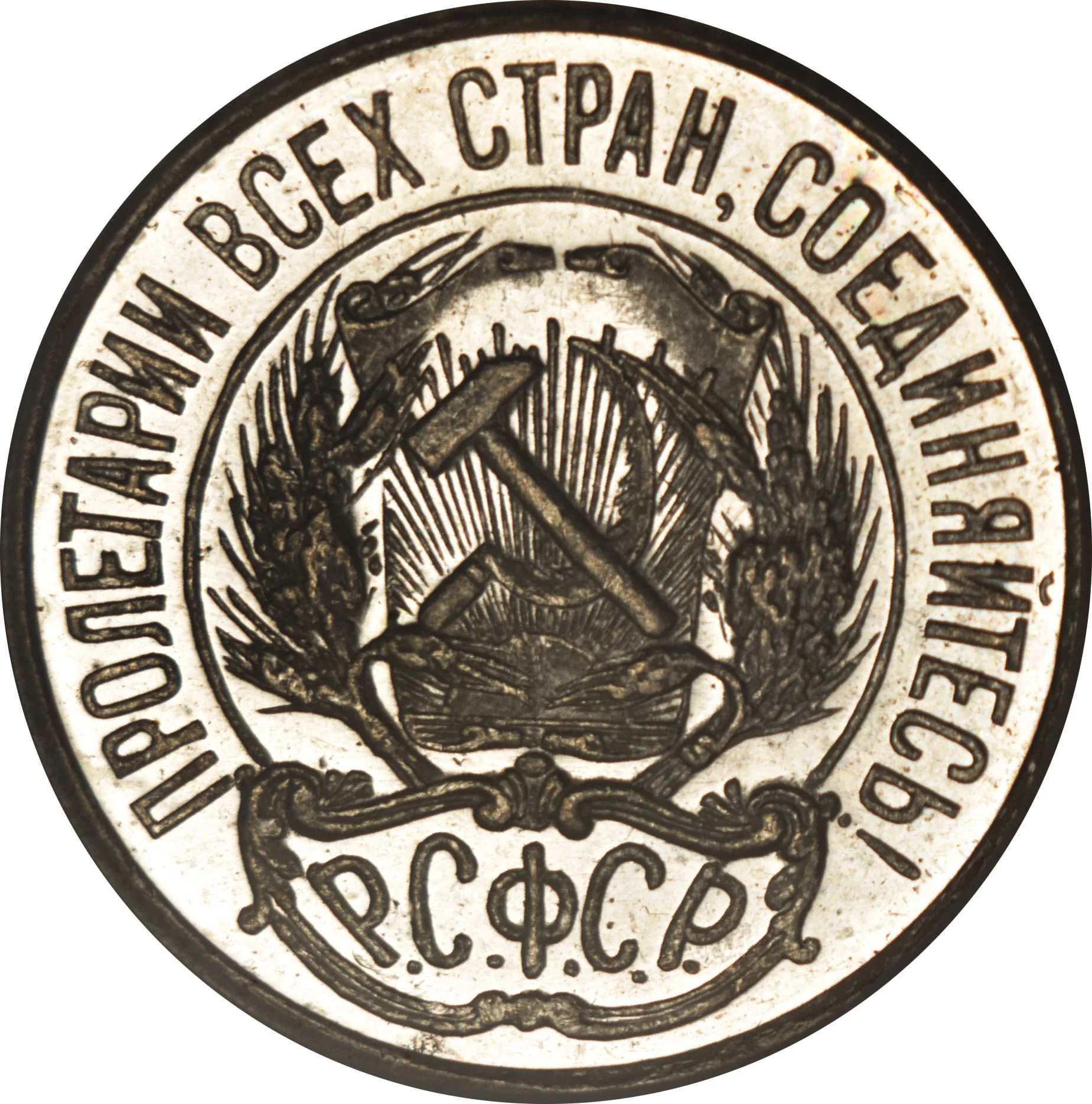
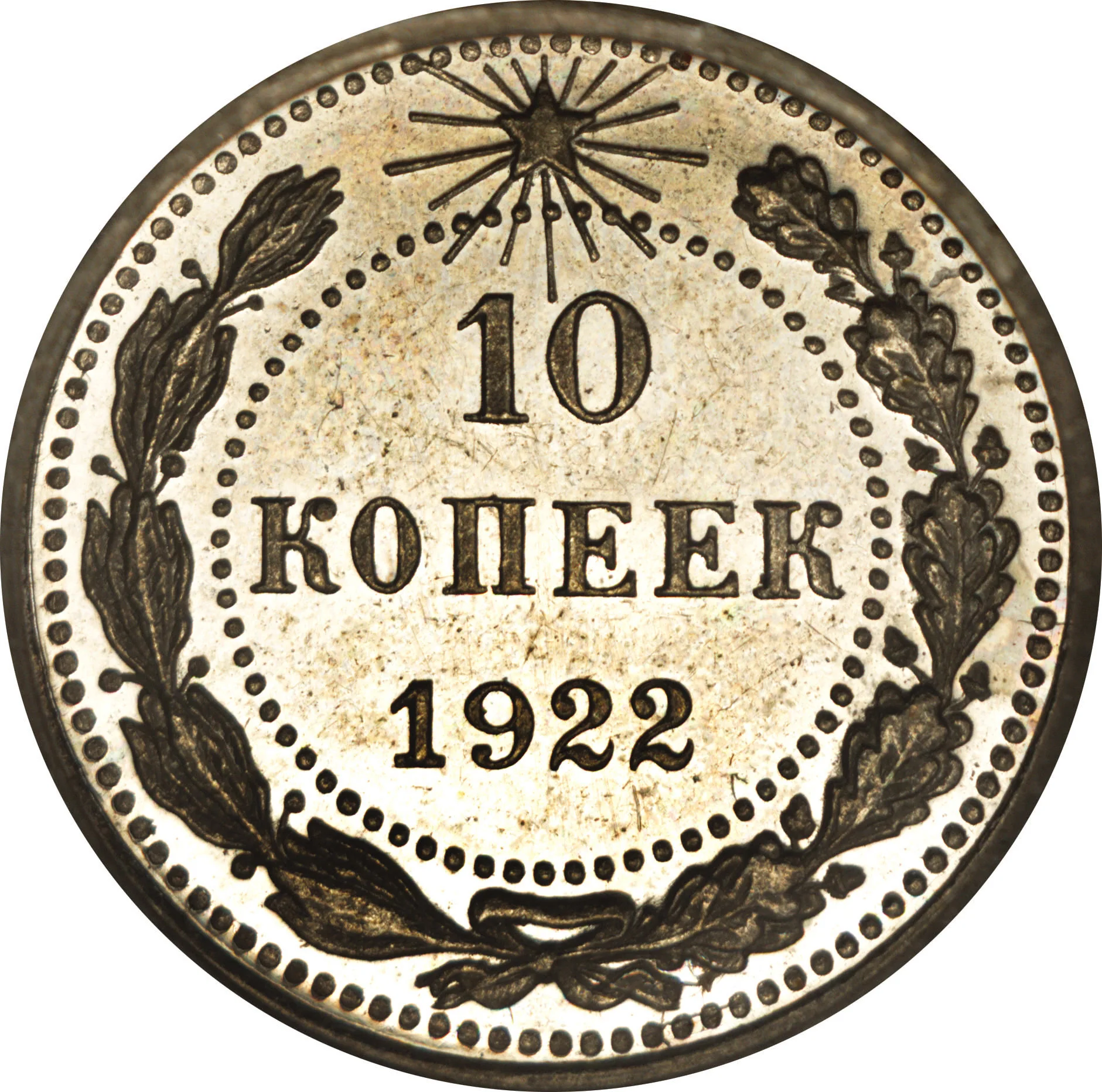
10 kopecks – Russian Socialist Federative Soviet Republic
Add to wishlist
Russia
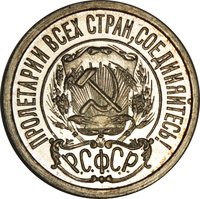
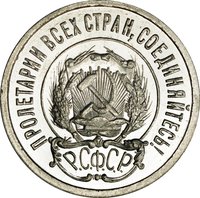
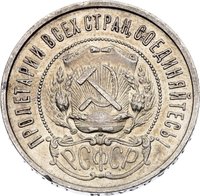
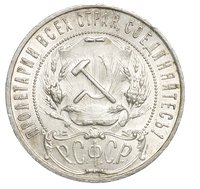
Obverse
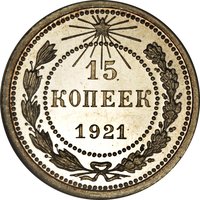
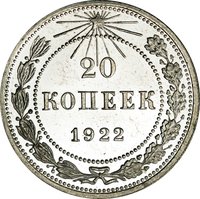
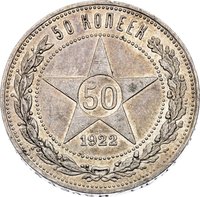
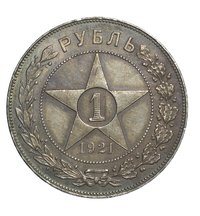
Reverse
Edge
Reeded
Categories
| Symbol> Hammer and sickle |
Mintings
| Year | Mint Mark | Mintage | Quality | Collection |
|---|---|---|---|---|
| 1921 | — | 950,000 | ||
| 1921 | — | — | Proof | |
| 1922 | — | 18,640,000 | ||
| 1922 | — | — | Proof | |
| 1923 | — | 33,424,000 | ||
| 1923 | — | — | Proof |
Historical background
By 1921, the currency system of the Russian Socialist Federative Soviet Republic (RSFSR) was in a state of catastrophic collapse, a direct consequence of the policies of War Communism (1918-1921) and the civil war. To finance the war effort and the rapid nationalization of the economy, the Soviet government resorted to the unrestrained printing of paper money, known as Sovznaks. This led to hyperinflation so severe that money effectively lost its function as a store of value and a meaningful medium of exchange. The Sovznak was devalued to the point of near-worthlessness, with prices escalating astronomically on a daily basis and a barter economy re-emerging as the primary means of securing basic goods.
The monetary disintegration mirrored the wider economic crisis, precipitating the introduction of the New Economic Policy (NEP) in March 1921. While the NEP initially focused on agricultural and trade liberalization, it implicitly acknowledged the need for monetary stabilization. However, 1921 itself was a transitional year of extreme duality: the worthless Sovznaks remained in circulation for daily transactions, while a parallel "natural" economy of grain taxes and direct product exchange persisted. The state budget was largely demonetized, and wages were often paid in-kind with rations or goods, further eroding the role of currency.
Therefore, the background of 1921 is one of a currency in ruins, setting the stage for the monetary reforms that would follow. The critical recognition that a functioning market under the NEP required a stable currency led to the first concrete steps toward reform later that year, with the establishment of the State Bank in October. This laid the necessary institutional groundwork for the eventual introduction of a new, hard currency—the chervonets—in 1922, which would circulate alongside and eventually replace the hyperinflated Sovznak.
The monetary disintegration mirrored the wider economic crisis, precipitating the introduction of the New Economic Policy (NEP) in March 1921. While the NEP initially focused on agricultural and trade liberalization, it implicitly acknowledged the need for monetary stabilization. However, 1921 itself was a transitional year of extreme duality: the worthless Sovznaks remained in circulation for daily transactions, while a parallel "natural" economy of grain taxes and direct product exchange persisted. The state budget was largely demonetized, and wages were often paid in-kind with rations or goods, further eroding the role of currency.
Therefore, the background of 1921 is one of a currency in ruins, setting the stage for the monetary reforms that would follow. The critical recognition that a functioning market under the NEP required a stable currency led to the first concrete steps toward reform later that year, with the establishment of the State Bank in October. This laid the necessary institutional groundwork for the eventual introduction of a new, hard currency—the chervonets—in 1922, which would circulate alongside and eventually replace the hyperinflated Sovznak.
🌱 Common