

1 rupee – Jodhpur-Kuchaman Feudatory
Add to wishlist
India
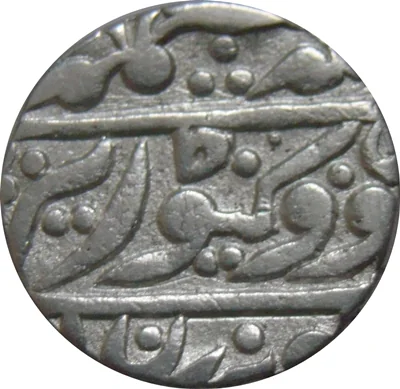
Obverse
Description:
Queen Victoria of England and India
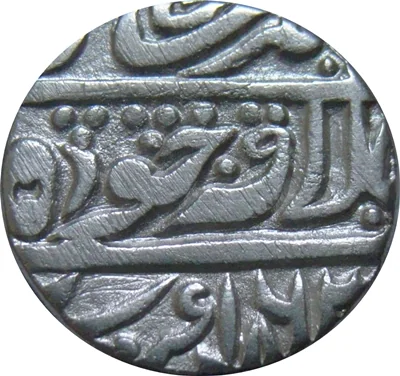
Reverse
Description:
Zarb Kuchaman, Jodhpur, 1863 CE.
Edge
Mintings
| Year | Mint Mark | Mintage | Quality | Collection |
|---|---|---|---|---|
| 1863 | — | — |
Historical background
In 1863, the currency situation within the Jodhpur-Kuchaman Feudatory, a territory under the suzerainty of the Maharaja of Jodhpur but administered by its own Thakur, was characterized by monetary plurality and local autonomy. The official currency of the Jodhpur State was the Jodhpur Rupee, a silver coin minted in the name of Maharaja Takht Singh. However, as a semi-autonomous jagir, Kuchaman likely exercised the right to issue its own feudatory coinage, often copper Daboo or Paisa coins for local, small-scale transactions. These local issues would have borne the name or emblem of the Kuchaman Thakur, creating a two-tiered system where high-value trade used state rupees and local economies used feudal coinage.
This system existed within a broader context of monetary complexity in 19th century Rajputana. British Indian Rupees and coins from neighboring princely states also circulated, their value determined by fluctuating silver content and local acceptance. The British East India Company, by this time the paramount power, was actively seeking to standardize currency across India to facilitate administration and trade. While the Company Rupee was gaining prominence, feudal estates like Kuchaman clung to minting privileges as a symbol of their status and a source of revenue (seigniorage).
Consequently, the 1863 currency scene in Jodhpur-Kuchaman was one of transition and overlap. The local populace navigated a mix of Jodhpur State silver rupees, Kuchaman's own copper coins, and potentially British currency. This arrangement, while reflecting the political hierarchy of the time, was inherently inefficient for commerce. The pressure for standardization was mounting, foreshadowing the gradual absorption of such feudal minting rights following the British assumption of direct control over Rajputana's foreign relations and the eventual integration of princely states into the unified Indian monetary system of the late 19th and early 20th centuries.
This system existed within a broader context of monetary complexity in 19th century Rajputana. British Indian Rupees and coins from neighboring princely states also circulated, their value determined by fluctuating silver content and local acceptance. The British East India Company, by this time the paramount power, was actively seeking to standardize currency across India to facilitate administration and trade. While the Company Rupee was gaining prominence, feudal estates like Kuchaman clung to minting privileges as a symbol of their status and a source of revenue (seigniorage).
Consequently, the 1863 currency scene in Jodhpur-Kuchaman was one of transition and overlap. The local populace navigated a mix of Jodhpur State silver rupees, Kuchaman's own copper coins, and potentially British currency. This arrangement, while reflecting the political hierarchy of the time, was inherently inefficient for commerce. The pressure for standardization was mounting, foreshadowing the gradual absorption of such feudal minting rights following the British assumption of direct control over Rajputana's foreign relations and the eventual integration of princely states into the unified Indian monetary system of the late 19th and early 20th centuries.
💎 Very Rare