

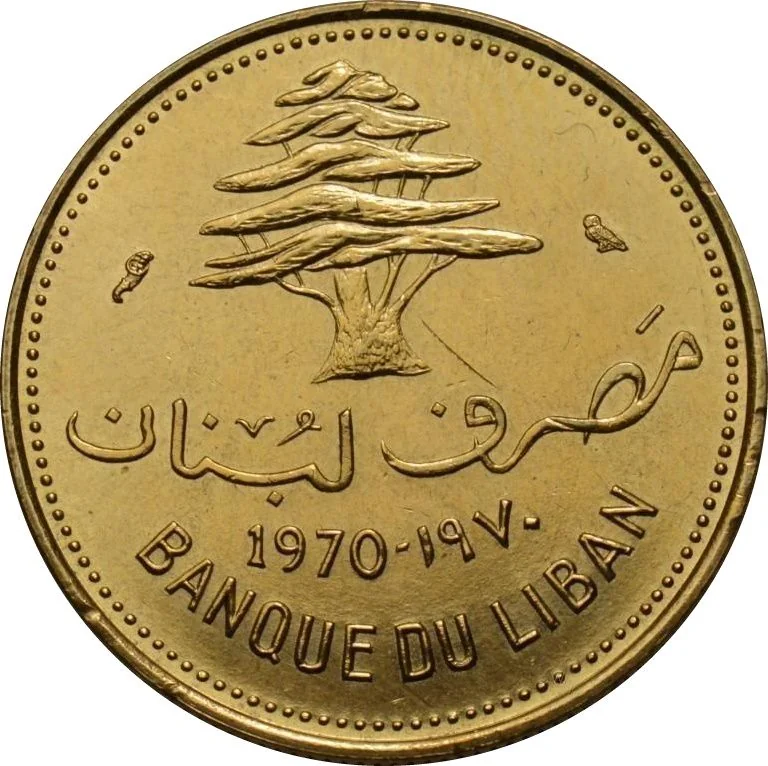
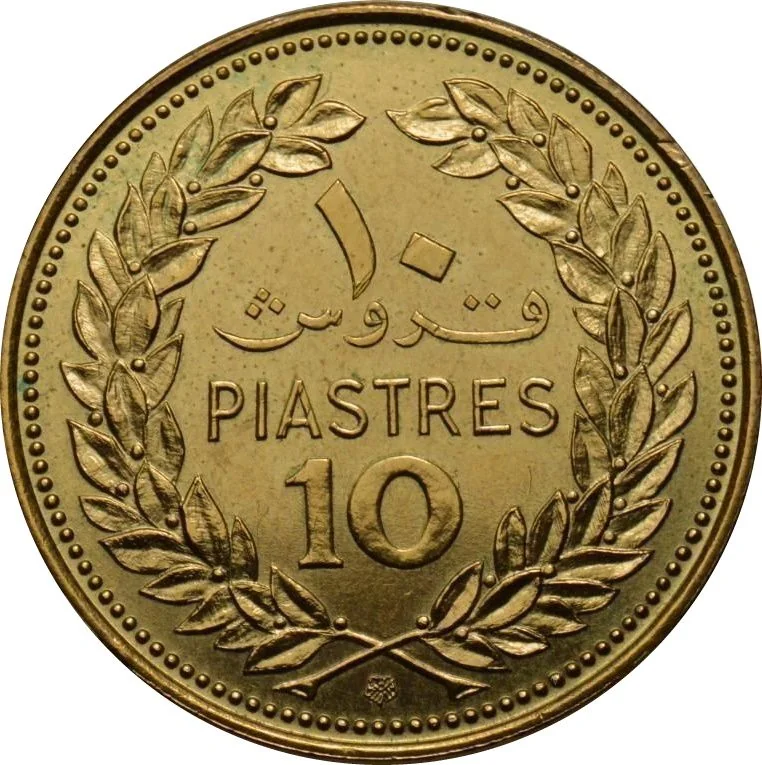
10 Piastres – Lebanon
Lebanon

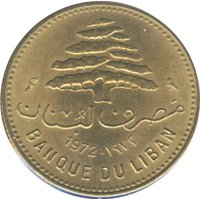
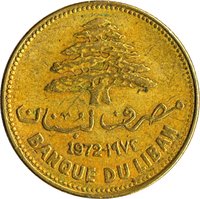
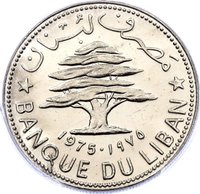
Obverse
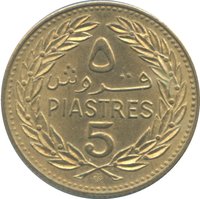
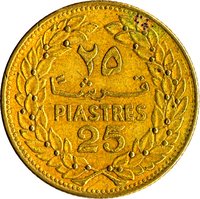
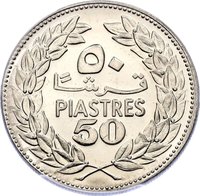
Reverse
Edge
Reeded
Mints
| Name | Mark |
|---|---|
| Monnaie de Paris | — |
Mintings
| Year | Mint Mark | Mintage | Quality | Collection |
|---|---|---|---|---|
| 1968 | — | 2,000,000 | ||
| 1969 | — | 5,000,000 | ||
| 1970 | — | 8,000,000 | ||
| 1972 | — | 1,000 | ||
| 1975 | — | 18,000,000 |
Historical background
In 1968, Lebanon's currency situation was one of relative stability and strength, underpinned by the country's role as a regional financial and services hub. The Lebanese pound (LBP), pegged to the French franc until 1949, was now firmly anchored to the US dollar at an official rate of LBP 3.08 to USD 1. This fixed parity, established in the 1950s, was a cornerstone of economic policy, instilling confidence among local and international bankers. The currency's stability was a direct reflection of Lebanon's laissez-faire economy, conservative banking practices, and substantial gold and foreign exchange reserves, which comfortably covered the money supply.
This robust monetary environment supported Beirut's "Switzerland of the Middle East" status. The banking secrecy law of 1956 attracted vast capital inflows from across the Arab world, particularly oil revenues from the Gulf, which were deposited, invested, and managed through Lebanese institutions. The currency peg facilitated this trade and finance-driven economy, allowing for predictable transactions and minimal exchange risk. Consequently, there was no parallel or "black" market for foreign currency to speak of; the official rate was universally accepted and maintained without significant pressure.
However, beneath this surface calm, the first subtle strains that would later lead to catastrophic devaluation were beginning to emerge. The political landscape was growing increasingly tense, exacerbated by the aftermath of the 1967 Arab-Israeli War and the growing presence of armed Palestinian factions. While not yet causing a monetary crisis, these geopolitical tensions hinted at future capital flight. In 1968, the currency's strength was still a point of national pride, but it existed in a delicate balance, dependent on a political and social stability that was starting to fray.
This robust monetary environment supported Beirut's "Switzerland of the Middle East" status. The banking secrecy law of 1956 attracted vast capital inflows from across the Arab world, particularly oil revenues from the Gulf, which were deposited, invested, and managed through Lebanese institutions. The currency peg facilitated this trade and finance-driven economy, allowing for predictable transactions and minimal exchange risk. Consequently, there was no parallel or "black" market for foreign currency to speak of; the official rate was universally accepted and maintained without significant pressure.
However, beneath this surface calm, the first subtle strains that would later lead to catastrophic devaluation were beginning to emerge. The political landscape was growing increasingly tense, exacerbated by the aftermath of the 1967 Arab-Israeli War and the growing presence of armed Palestinian factions. While not yet causing a monetary crisis, these geopolitical tensions hinted at future capital flight. In 1968, the currency's strength was still a point of national pride, but it existed in a delicate balance, dependent on a political and social stability that was starting to fray.
Series: 1968 Lebanon circulation coins
🌱 Very Common