

2 Asper – Regency of Algiers
Algeria
Context
Years: 1832–1839
Country: Algeria 
Issuer: Regency of Algiers
Ruler: Mahmud II
Currency:
(1517—1848)
Demonetized: Yes
Material
References
KM: #Click to copy to clipboard81
Numista: #80402
Mintings
| Year | Mint Mark | Mintage | Quality | Collection |
|---|---|---|---|---|
| 1832 | — | — | ||
| 1833 | — | — | ||
| 1835 | — | — | ||
| 1839 | — | — |
Historical background
In 1832, the Regency of Algiers was in a state of profound monetary instability and transition, a direct consequence of its recent conquest by France. The French invasion of 1830 had shattered the existing Ottoman-era financial system, which had been based on a bimetallic system of gold bendukis and silver mahboubs. The French military administration, focused on securing its occupation, hastily introduced French francs and attempted to impose them as the primary currency. This created a chaotic dual circulation where French coins, various remaining Ottoman and Spanish coins, and even debased local imitations all competed, with exchange rates fluctuating wildly and causing confusion in daily commerce.
This currency chaos exacerbated the Regency's severe economic crisis. The French seizure of the Beylik (state treasury) and the massive Habous (religious endowment) properties had stripped the economy of its capital and credit mechanisms. Combined with the ongoing resistance led by figures like Emir Abdelkader, which disrupted trade and agriculture, the region faced hyperinflation and severe shortages. The French authorities, struggling to pay their own troops and fund the occupation, resorted to requisitioning supplies with promissory notes, further eroding trust in any form of money. For the local population, the sudden imposition of an unfamiliar currency symbolized their loss of economic and political sovereignty.
Ultimately, the monetary disarray of 1832 was a microcosm of the violent transition from Ottoman regency to French colony. There was no unified "currency situation," but rather a fractured one: the French military attempted to assert a new financial order from Algiers, while in the hinterlands, traditional forms of money and barter persisted amidst warfare and collapse. This period marked the beginning of a forced integration into the French monetary sphere, a process that would be long, resisted, and deeply disruptive to the social and economic fabric of Algeria for decades to come.
This currency chaos exacerbated the Regency's severe economic crisis. The French seizure of the Beylik (state treasury) and the massive Habous (religious endowment) properties had stripped the economy of its capital and credit mechanisms. Combined with the ongoing resistance led by figures like Emir Abdelkader, which disrupted trade and agriculture, the region faced hyperinflation and severe shortages. The French authorities, struggling to pay their own troops and fund the occupation, resorted to requisitioning supplies with promissory notes, further eroding trust in any form of money. For the local population, the sudden imposition of an unfamiliar currency symbolized their loss of economic and political sovereignty.
Ultimately, the monetary disarray of 1832 was a microcosm of the violent transition from Ottoman regency to French colony. There was no unified "currency situation," but rather a fractured one: the French military attempted to assert a new financial order from Algiers, while in the hinterlands, traditional forms of money and barter persisted amidst warfare and collapse. This period marked the beginning of a forced integration into the French monetary sphere, a process that would be long, resisted, and deeply disruptive to the social and economic fabric of Algeria for decades to come.

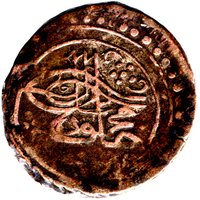
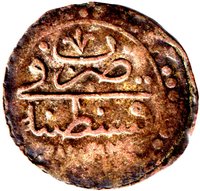
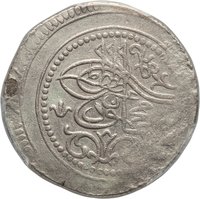
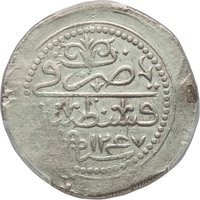
💎 Extremely Rare