

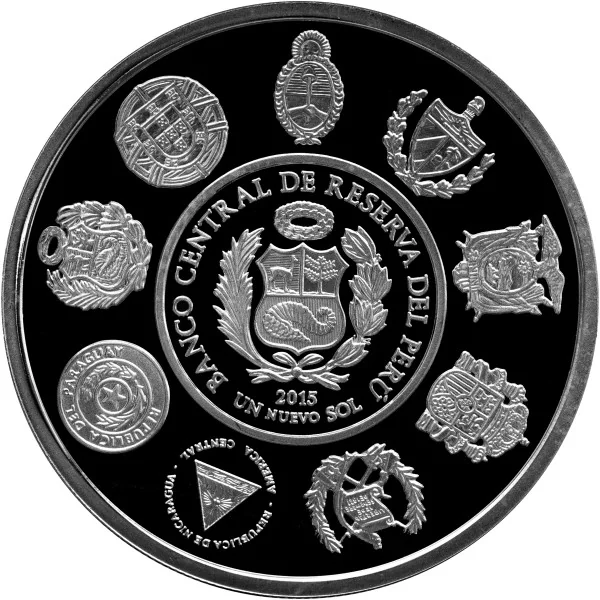
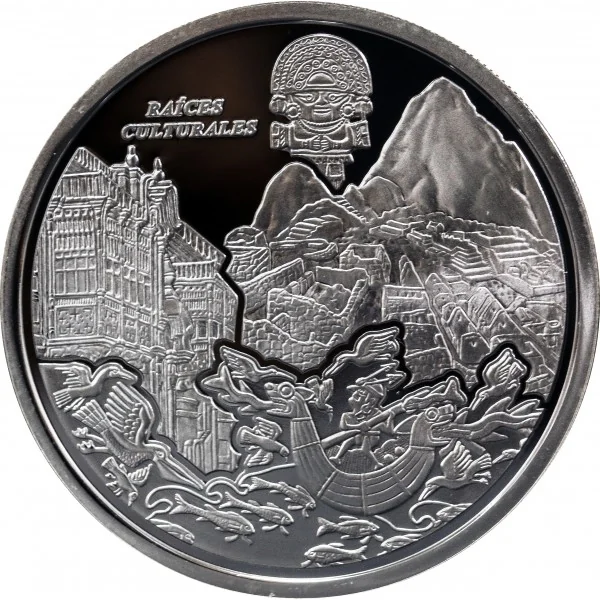
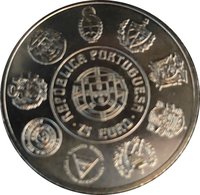
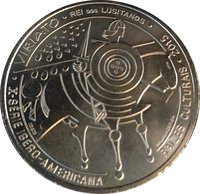
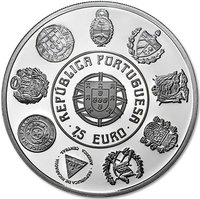
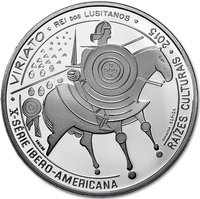
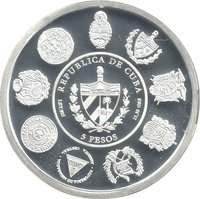
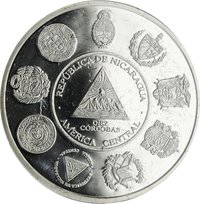
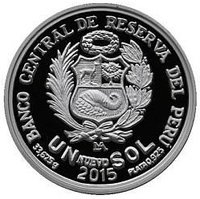
Obverse
Edge
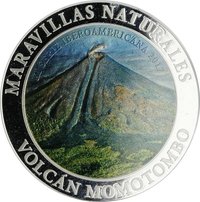
Reeded
Mintings
| Year | Mint Mark | Mintage | Quality | Collection |
|---|---|---|---|---|
| 2015 | — | 10,000 |
Historical background
In 2015, Peru's currency, the sol (PEN), faced significant depreciation pressure, losing approximately 14% of its value against the US dollar over the course of the year. This decline was primarily driven by external factors, notably a sharp fall in global commodity prices. As a major exporter of copper, gold, and other minerals, Peru's economy and currency are highly sensitive to these prices. The weakening sol reflected broader concerns about reduced export revenues, a widening current account deficit, and slowing economic growth, which dipped to 3.3% from higher rates in previous years.
Domestically, the situation was compounded by political uncertainty and a loss of investor confidence. President Ollanta Humala's administration, in its final year, was seen as ineffective in implementing key economic reforms and major infrastructure projects. Furthermore, a corruption scandal involving regional governors and the "Club de la Construcción" undermined trust in institutions. These internal issues, alongside the external shocks, led to capital outflows and reduced foreign investment, placing additional downward pressure on the currency.
In response, Peru's Central Bank (BCRP) intervened actively in the foreign exchange market to smooth volatility, utilizing its substantial international reserves, which remained robust at over $60 billion. The BCRP also raised its benchmark interest rate several times throughout the year, moving from 3.25% to 3.75%, in an effort to curb inflation—which remained within the target range but was rising—and to make sol-denominated assets more attractive. Despite the turbulence, Peru's macroeconomic fundamentals, including low public debt and fiscal discipline, provided a crucial buffer, preventing a more severe currency crisis.
Domestically, the situation was compounded by political uncertainty and a loss of investor confidence. President Ollanta Humala's administration, in its final year, was seen as ineffective in implementing key economic reforms and major infrastructure projects. Furthermore, a corruption scandal involving regional governors and the "Club de la Construcción" undermined trust in institutions. These internal issues, alongside the external shocks, led to capital outflows and reduced foreign investment, placing additional downward pressure on the currency.
In response, Peru's Central Bank (BCRP) intervened actively in the foreign exchange market to smooth volatility, utilizing its substantial international reserves, which remained robust at over $60 billion. The BCRP also raised its benchmark interest rate several times throughout the year, moving from 3.25% to 3.75%, in an effort to curb inflation—which remained within the target range but was rising—and to make sol-denominated assets more attractive. Despite the turbulence, Peru's macroeconomic fundamentals, including low public debt and fiscal discipline, provided a crucial buffer, preventing a more severe currency crisis.
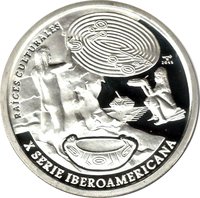
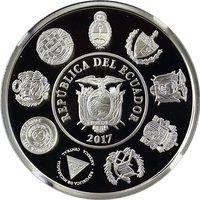
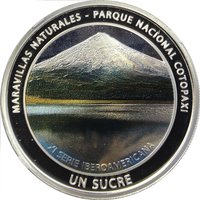
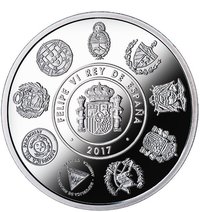
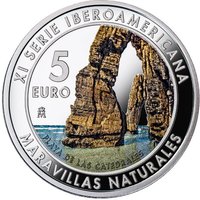
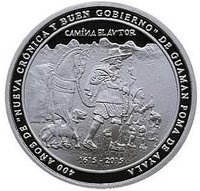
Series: Ibero-American
💎 Extremely Rare