Logo Title
Context
Year: 1829
Islamic (Hijri) Year: 1223
Country: Libya Country flag
Ruler: Mahmud II
Currency:
(1688—1844)
Demonetized: Yes
Material
Composition: Copper
Magnetic: No
Technique: Hammered
References
KM: #Click to copy to clipboard107
Numista: #79925

Obverse

Description:
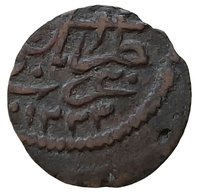
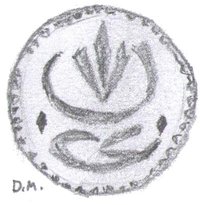
Reign year, mint, date
Inscription:
٢٢

ضرب

في

طرابلس

١٢٢٣
Translation:
Twenty-two

Struck

in

Tripoli

1223
Language: Arabic

Reverse

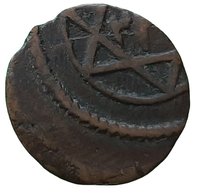
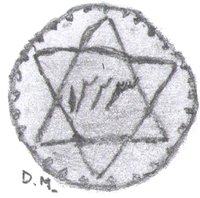
Description:
Rose in wreath

Edge

Irregular hammered

Mintings

YearMint MarkMintageQualityCollection
1829

Historical background

In 1829, the Regency of Tripoli, a semi-autonomous Ottoman province on the North African coast, operated within a complex and often chaotic monetary environment. Its economy was heavily reliant on maritime trade, piracy (though in decline following the 1815 wars with the United States and European powers), and tributes, which brought a diverse array of foreign coins into circulation. The primary coins in use were Spanish silver dollars (pieces of eight), Austrian thalers (particularly the Maria Theresa thaler, which became a regional staple), and other European silver currencies, alongside Ottoman gold coins like the sultani and local copper mangır. This multiplicity created significant challenges for commerce, as merchants and officials constantly had to assess the weight, purity, and fluctuating exchange rates of these disparate coins.

The political context was one of weakened central authority. While nominally under Ottoman sovereignty, the Regency was effectively ruled by the Karamanli dynasty until 1835. Yusuf Karamanli Pasha, who had reigned for decades, was facing internal strife and mounting debt. His government’s attempts to manage currency often involved arbitrary decrees, such as periodically altering the official valuation of certain coins to benefit the treasury, a practice that sowed confusion and distrust in the markets. Furthermore, the state’s finances were strained by payments to tribal confederations for loyalty and by the loss of "protection" revenue from European powers, pushing it toward economic instability.

Consequently, the currency situation in 1829 was characterized by fragmentation and instability rather than a unified system. There was no standardized, locally minted currency for everyday transactions; instead, the economy functioned on a patchwork of foreign specie, its value subject to the Pasha’s fiscal needs and the ebb and flow of Mediterranean trade. This precarious monetary landscape reflected the Regency’s broader political and economic decline, culminating in the Ottoman Empire’s direct reoccupation and abolition of the Karamanli dynasty in 1835, which sought to impose greater financial order.

Series: 1829 Regency of Tripoli circulation coins

1 Para obverse
1 Para reverse
1 Para
1829
1 Para obverse
1 Para reverse
1 Para
1829
1 Para obverse
1 Para reverse
1 Para
1829-1830
Legendary