

2 crowns – Austrian Empire
Add to wishlist
Austria
Context
Years: 1912–1913
Country: Austria
Issuer: Austrian Empire
Ruler: Francis Joseph I
Currency:
(1892—1918)
Demonetized: Yes
Total mintage: 17,500,502
Material
References
KM: #
Numista: #7934
Value
Bullion value: $21.17
Obverse
Description:
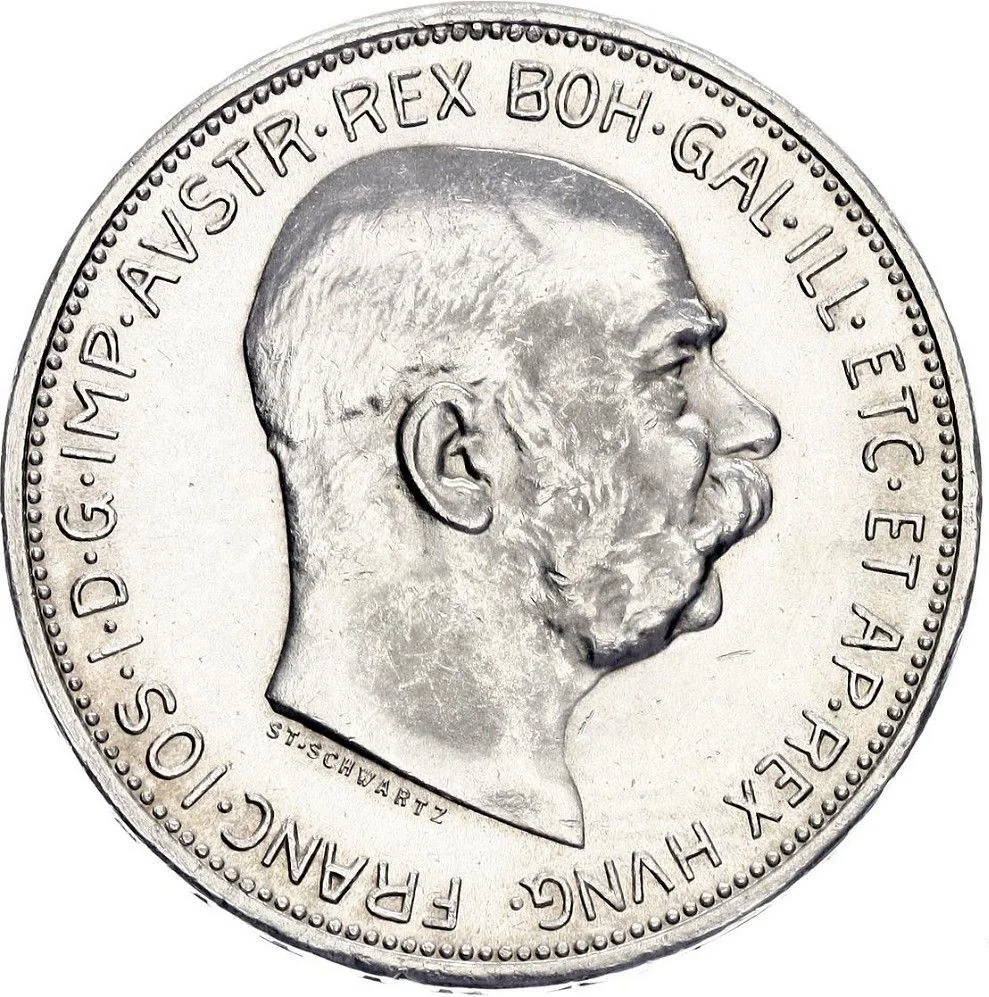
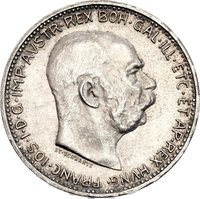
Franz Joseph I, bare-headed right-facing bust. Signature beneath.
Inscription:
FRANC.JOS.I.D.G.IMP.AVSTR.REX BOH.GAL.ILL.ETC.ET AP.REX HVNG.
ST. SCHWARTZ
ST. SCHWARTZ
Translation:
FRANCIS JOSEPH I, BY THE GRACE OF GOD, EMPEROR OF AUSTRIA, KING OF BOHEMIA, GALICIA, ILLYRIA, ETC., AND APOSTOLIC KING OF HUNGARY.
ST. SCHWARTZ
ST. SCHWARTZ
Script: Latin
Language: Latin
Engraver: Stefan Schwartz
Reverse
Description:
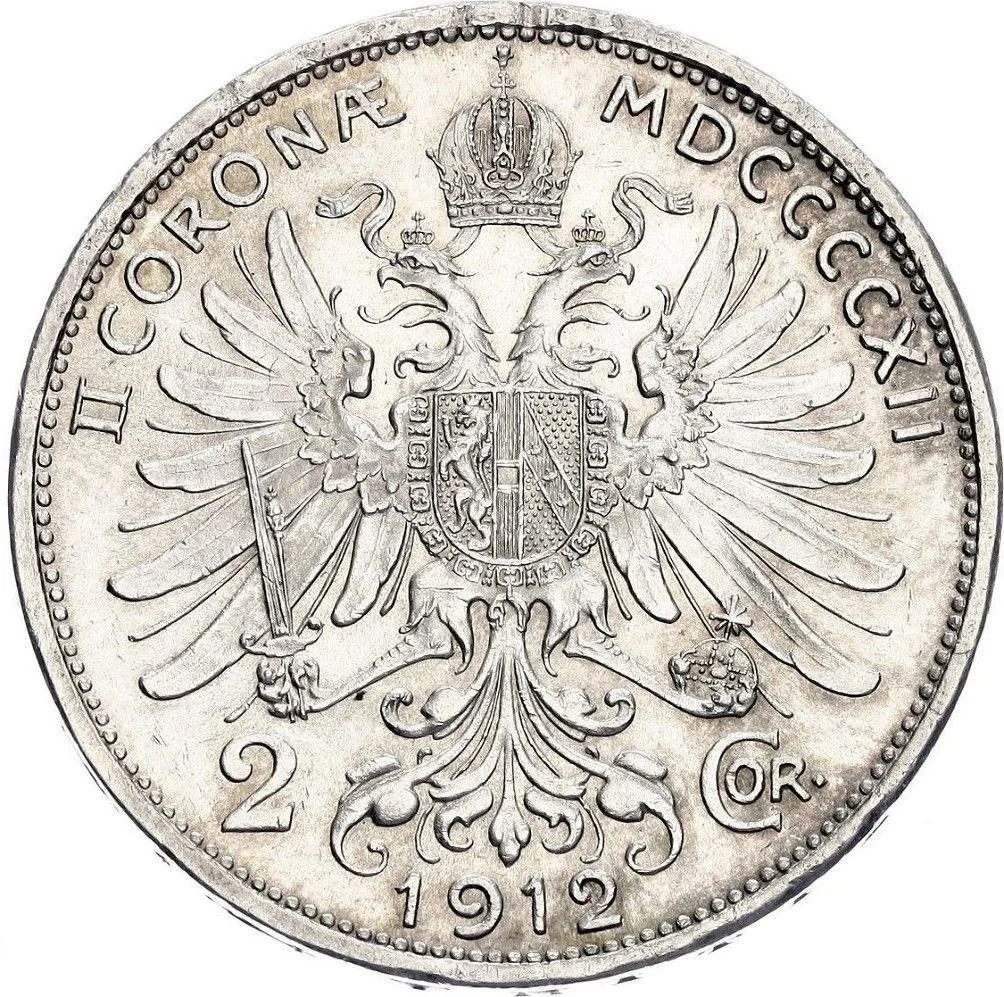
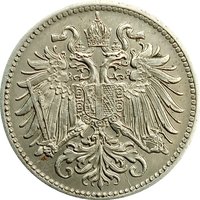
Imperial double-headed eagle with Habsburg-Lorraine arms. Value in tail feathers, date below.
Inscription:
II CORONÆ MDCCCCXIII
2 COR.
1912
2 COR.
1912
Translation:
II CORONÆ MDCCCCXIII
2 COR.
1912
2 COR.
1912
Script: Latin
Language: Latin
Engraver: Stefan Schwartz
Edge
Categories
| Person> Monarch |
| Animal> Bird> Eagle |
| Mustache/Beard |
| Symbol> Crown |
| Symbols> Coat of Arms |
| Symbol> Double-headed eagle |
| Object> Cold weapons |
Mints
| Name | Mark |
|---|---|
| Münze Österreich | — |
Mintings
| Year | Mint Mark | Mintage | Quality | Collection |
|---|---|---|---|---|
| 1912 | — | 10,244,500 | ||
| 1913 | — | 7,256,002 |
Historical background
In 1912, the Austro-Hungarian Empire operated under a sophisticated but increasingly strained dual currency system, anchored by the Austro-Hungarian gulden (or florin), which was tied to a gold standard. The central bank, the Austro-Hungarian Bank, maintained convertibility, meaning banknotes could theoretically be exchanged for gold. This system provided a measure of stability and facilitated trade within the diverse empire and across Europe. However, the currency's strength was more institutional than material; the Bank's gold reserves were relatively low compared to other major powers, making the system vulnerable to crisis.
The financial landscape was marked by underlying political tensions. The Ausgleich (Compromise) of 1867, which created the Dual Monarchy, required the Austrian and Hungarian parliaments to renew a complex economic agreement every ten years, including matters of currency, debt, and the central bank's charter. The negotiations for the renewal due in 1917 already cast a shadow, as Hungarian politicians pushed for greater financial autonomy and even a separate central bank, creating uncertainty about the currency's long-term future.
Furthermore, the empire's fiscal policy was burdened by significant military expenditure, driven by the naval arms race and tensions in the Balkans. While the economy was growing and the currency stable on the surface, the state ran persistent budget deficits, often financed by borrowing. This combination of political fragility, military spending, and thin gold reserves meant that in 1912, the Austro-Hungarian currency, though fully functional, rested on precarious foundations that would collapse entirely under the pressures of the coming world war.
The financial landscape was marked by underlying political tensions. The Ausgleich (Compromise) of 1867, which created the Dual Monarchy, required the Austrian and Hungarian parliaments to renew a complex economic agreement every ten years, including matters of currency, debt, and the central bank's charter. The negotiations for the renewal due in 1917 already cast a shadow, as Hungarian politicians pushed for greater financial autonomy and even a separate central bank, creating uncertainty about the currency's long-term future.
Furthermore, the empire's fiscal policy was burdened by significant military expenditure, driven by the naval arms race and tensions in the Balkans. While the economy was growing and the currency stable on the surface, the state ran persistent budget deficits, often financed by borrowing. This combination of political fragility, military spending, and thin gold reserves meant that in 1912, the Austro-Hungarian currency, though fully functional, rested on precarious foundations that would collapse entirely under the pressures of the coming world war.
🌱 Very Common