

1 Skilling – Norway
Norway
Context
References
KM: #Click to copy to clipboard281
Numista: #76225
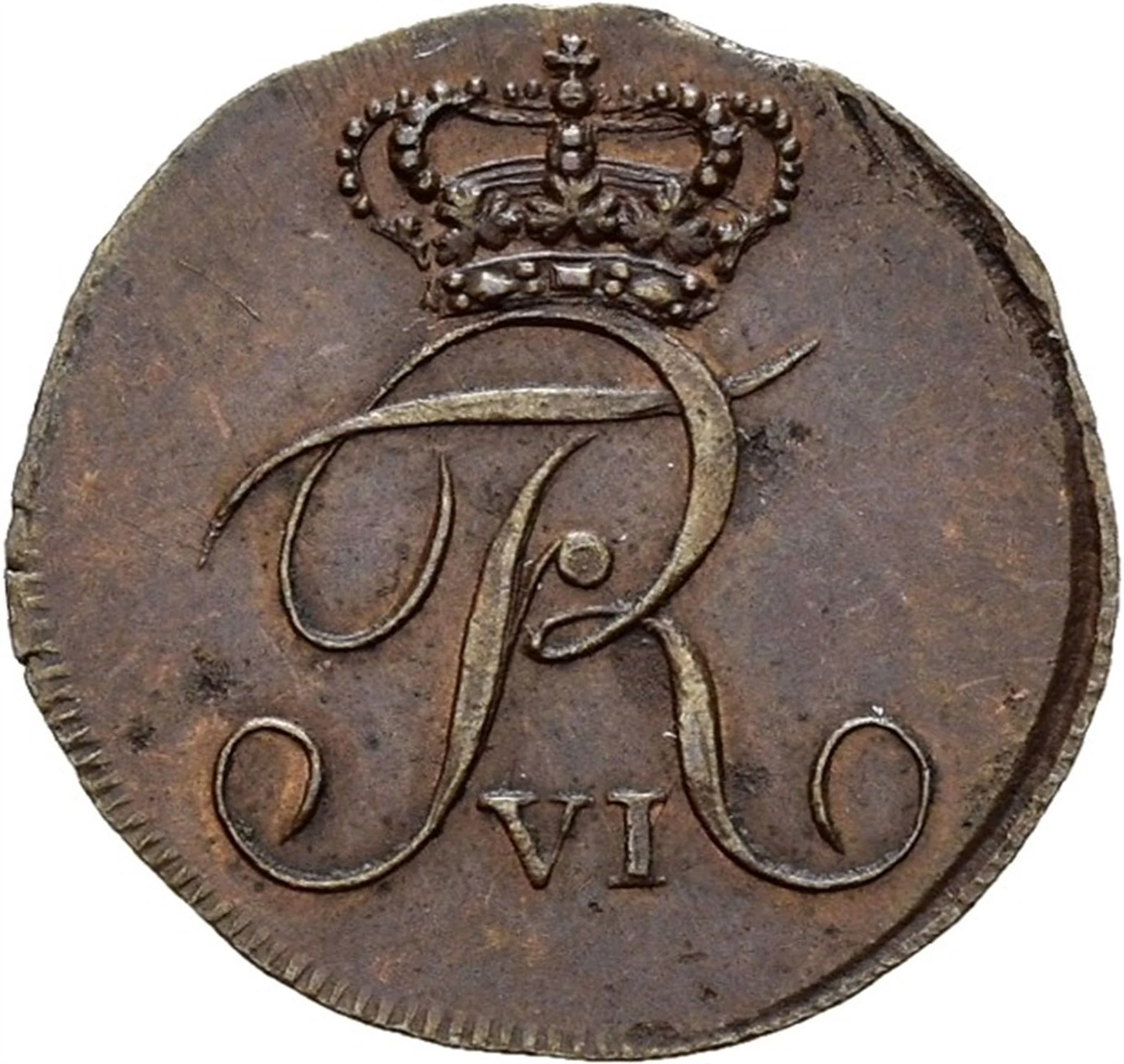
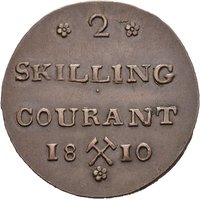
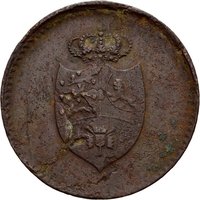
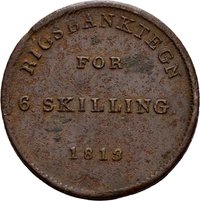
Obverse
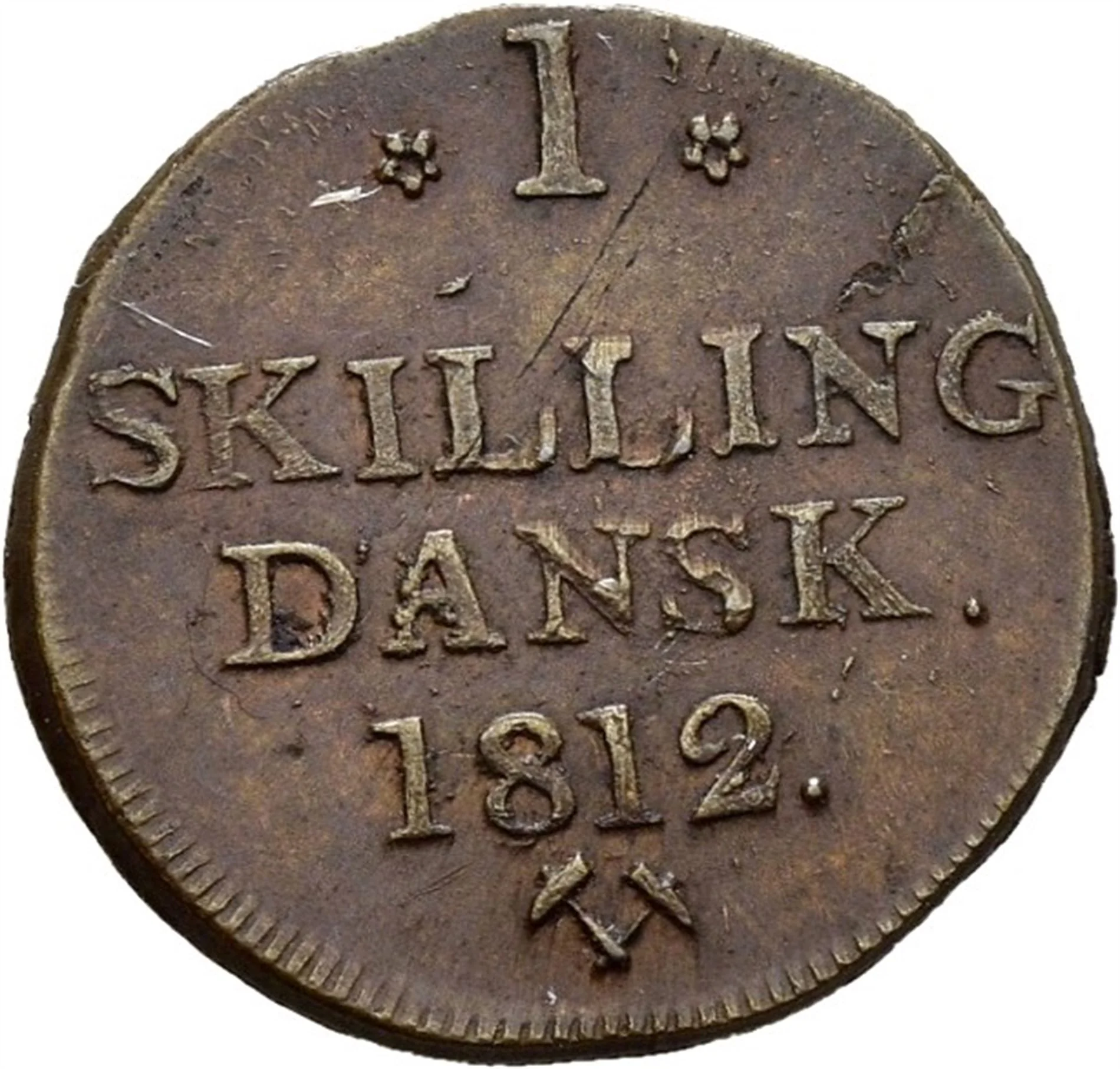
Reverse
Edge
Reeded
Mints
| Name | Mark |
|---|---|
| Norwegian Mint | — |
Mintings
| Year | Mint Mark | Mintage | Quality | Collection |
|---|---|---|---|---|
| 1812 | — | — |
Historical background
In 1812, Norway found itself in a precarious monetary crisis, a direct consequence of the Napoleonic Wars and its forced union with Denmark. As a belligerent on the French side, Denmark-Norway was subjected to a severe British naval blockade, crippling its trade and state finances. To fund the war, the Danish government in Copenhagen, which controlled Norwegian affairs, resorted to printing vast quantities of paper money—the riksdaler specie—without sufficient silver reserves to back it. This led to rampant inflation and a collapse in public confidence, as the paper currency's value plummeted against silver coinage.
The situation was exacerbated by a critical shortage of physical coinage within Norway itself. Silver coins were hoarded, disappeared from circulation, or were used for essential imports, leaving the devalued and increasingly worthless paper notes as the primary medium of exchange. This created a dual-currency system where goods had one price in silver and a much higher price in paper, severely disrupting the economy. The crisis hit all levels of society, from merchants unable to conduct reliable trade to farmers and labourers whose wages and purchasing power evaporated.
This financial turmoil became a key catalyst for Norwegian nationalism and the push for independence. The crisis underscored the detrimental effects of Danish rule and its disregard for Norway's economic stability. When the Treaty of Kiel in 1814 dissolved the union with Denmark, addressing the chaotic currency situation was a paramount concern for the fledgling Norwegian state. The establishment of Norges Bank in 1816 and the introduction of a new, independent silver-based currency, the speciedaler, were direct responses to the disastrous monetary policies of 1812, marking a foundational step in Norway's journey toward sovereignty and economic self-determination.
The situation was exacerbated by a critical shortage of physical coinage within Norway itself. Silver coins were hoarded, disappeared from circulation, or were used for essential imports, leaving the devalued and increasingly worthless paper notes as the primary medium of exchange. This created a dual-currency system where goods had one price in silver and a much higher price in paper, severely disrupting the economy. The crisis hit all levels of society, from merchants unable to conduct reliable trade to farmers and labourers whose wages and purchasing power evaporated.
This financial turmoil became a key catalyst for Norwegian nationalism and the push for independence. The crisis underscored the detrimental effects of Danish rule and its disregard for Norway's economic stability. When the Treaty of Kiel in 1814 dissolved the union with Denmark, addressing the chaotic currency situation was a paramount concern for the fledgling Norwegian state. The establishment of Norges Bank in 1816 and the introduction of a new, independent silver-based currency, the speciedaler, were direct responses to the disastrous monetary policies of 1812, marking a foundational step in Norway's journey toward sovereignty and economic self-determination.
💎 Extremely Rare