

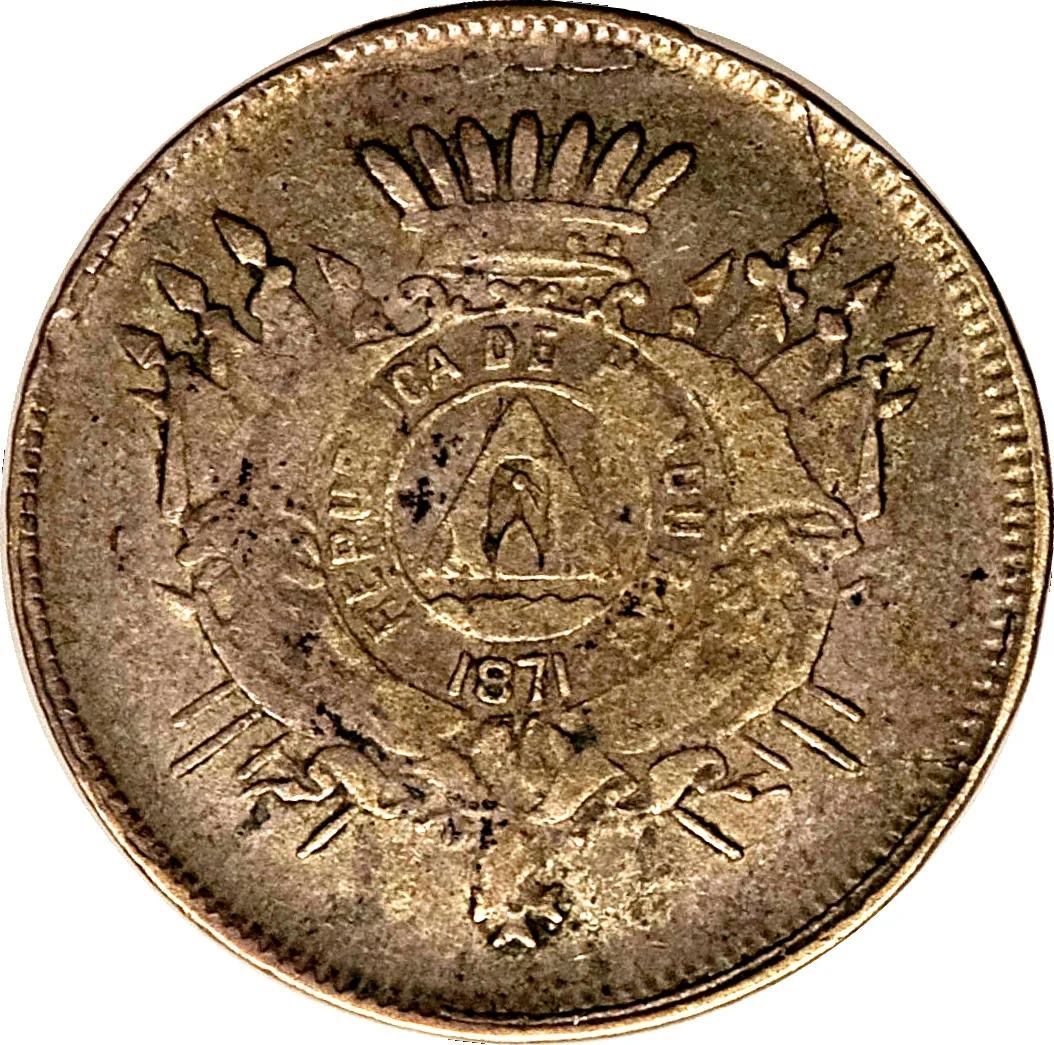
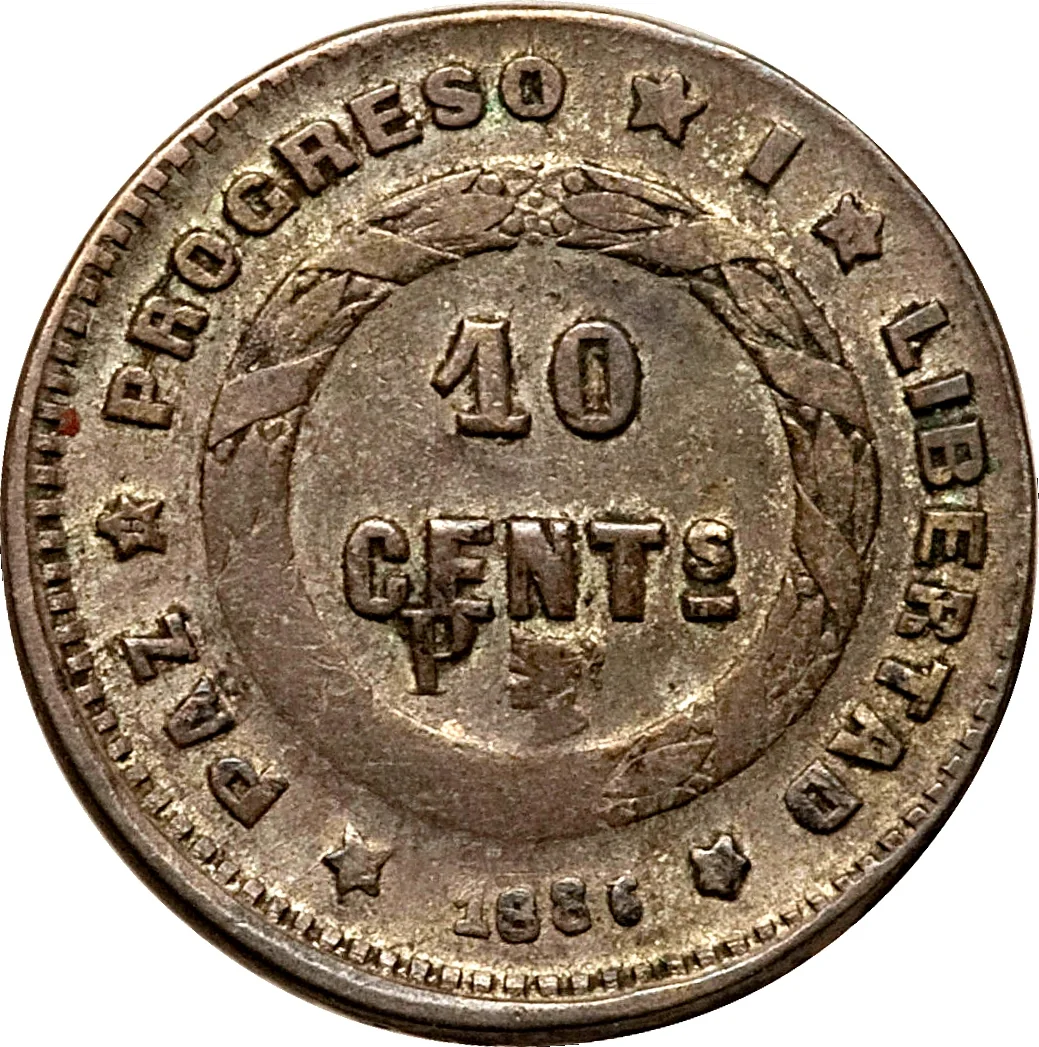
10 centavos – Honduras
Add to wishlist
Honduras
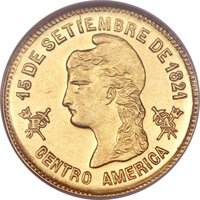
Obverse
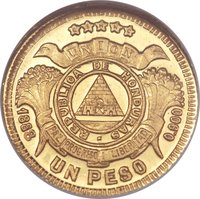
Reverse
Edge
Categories
| Symbols> Coat of Arms |
| Symbol> Wreath |
Mints
| Name | Mark |
|---|---|
| Casa Nacional de la Moneda | — |
Mintings
| Year | Mint Mark | Mintage | Quality | Collection |
|---|---|---|---|---|
| 1886 | — | — | ||
| 1895 | — | — | ||
| 1900 | — | — |
Historical background
In 1886, Honduras was grappling with a complex and chaotic monetary situation, a legacy of its political instability and economic dependence. Following independence, the country lacked a unified national currency, leading to a circulation of diverse and often unstable coins. Spanish colonial coins, Peruvian soles, Bolivian pesos, and coins from other Central American republics all circulated simultaneously, creating confusion in commerce. Most significantly, the silver peso was the official unit of account, but its value fluctuated wildly against foreign gold currencies, particularly the British sovereign and the U.S. gold dollar, which were essential for international trade, especially with British banana companies.
This period was marked by a severe depreciation of silver on the global market, which devastated Honduras's silver-based currency. As the price of silver bullion fell internationally, the intrinsic metal value of the silver pesos in circulation dropped below their face value. This led to Gresham's Law in action: "bad money drives out good." Hondurans hoarded older, higher-silver content coins or used gold for savings, while the devalued silver flooded daily transactions, causing price inflation and a loss of public confidence in the currency. The government's attempts to manage this by minting new, lower-weight silver coins (known as pesos fuertes and pesos sencillos) only added to the complexity and failed to stabilize the system.
Consequently, the 1886 monetary landscape was one of disorder that stifled economic development. The lack of a stable, trustworthy currency hampered government finances, discouraged foreign investment beyond the enclave sectors, and created uncertainty for local businesses. This environment set the stage for future monetary reforms, most notably the move towards the gold standard in the early 20th century. The crisis underscored Honduras's vulnerability to global commodity markets and was a key factor in the increasing influence of foreign banks and corporations in the Honduran economy in the decades to follow.
This period was marked by a severe depreciation of silver on the global market, which devastated Honduras's silver-based currency. As the price of silver bullion fell internationally, the intrinsic metal value of the silver pesos in circulation dropped below their face value. This led to Gresham's Law in action: "bad money drives out good." Hondurans hoarded older, higher-silver content coins or used gold for savings, while the devalued silver flooded daily transactions, causing price inflation and a loss of public confidence in the currency. The government's attempts to manage this by minting new, lower-weight silver coins (known as pesos fuertes and pesos sencillos) only added to the complexity and failed to stabilize the system.
Consequently, the 1886 monetary landscape was one of disorder that stifled economic development. The lack of a stable, trustworthy currency hampered government finances, discouraged foreign investment beyond the enclave sectors, and created uncertainty for local businesses. This environment set the stage for future monetary reforms, most notably the move towards the gold standard in the early 20th century. The crisis underscored Honduras's vulnerability to global commodity markets and was a key factor in the increasing influence of foreign banks and corporations in the Honduran economy in the decades to follow.
✨ Legendary