

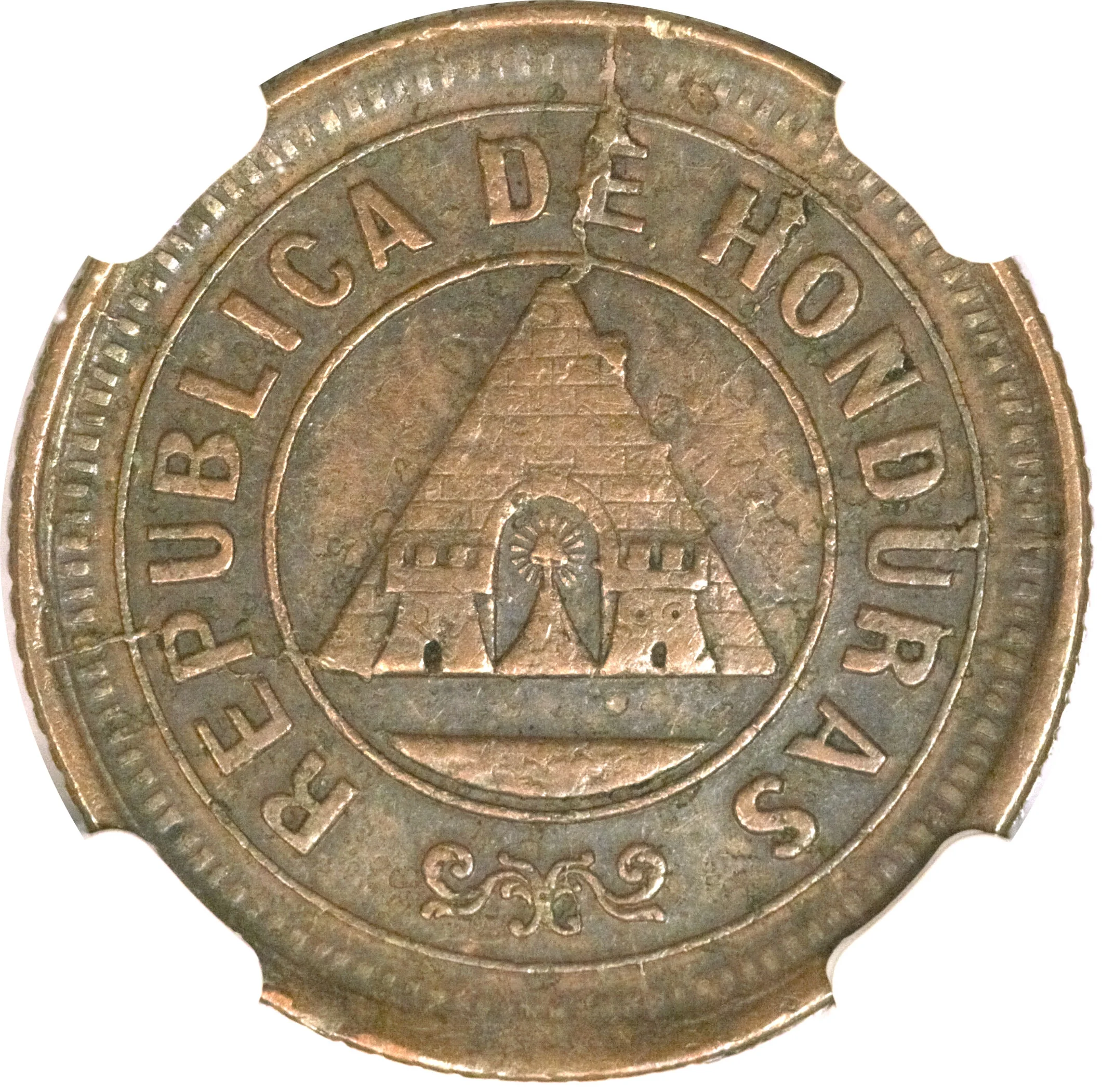
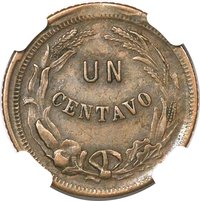
Obverse
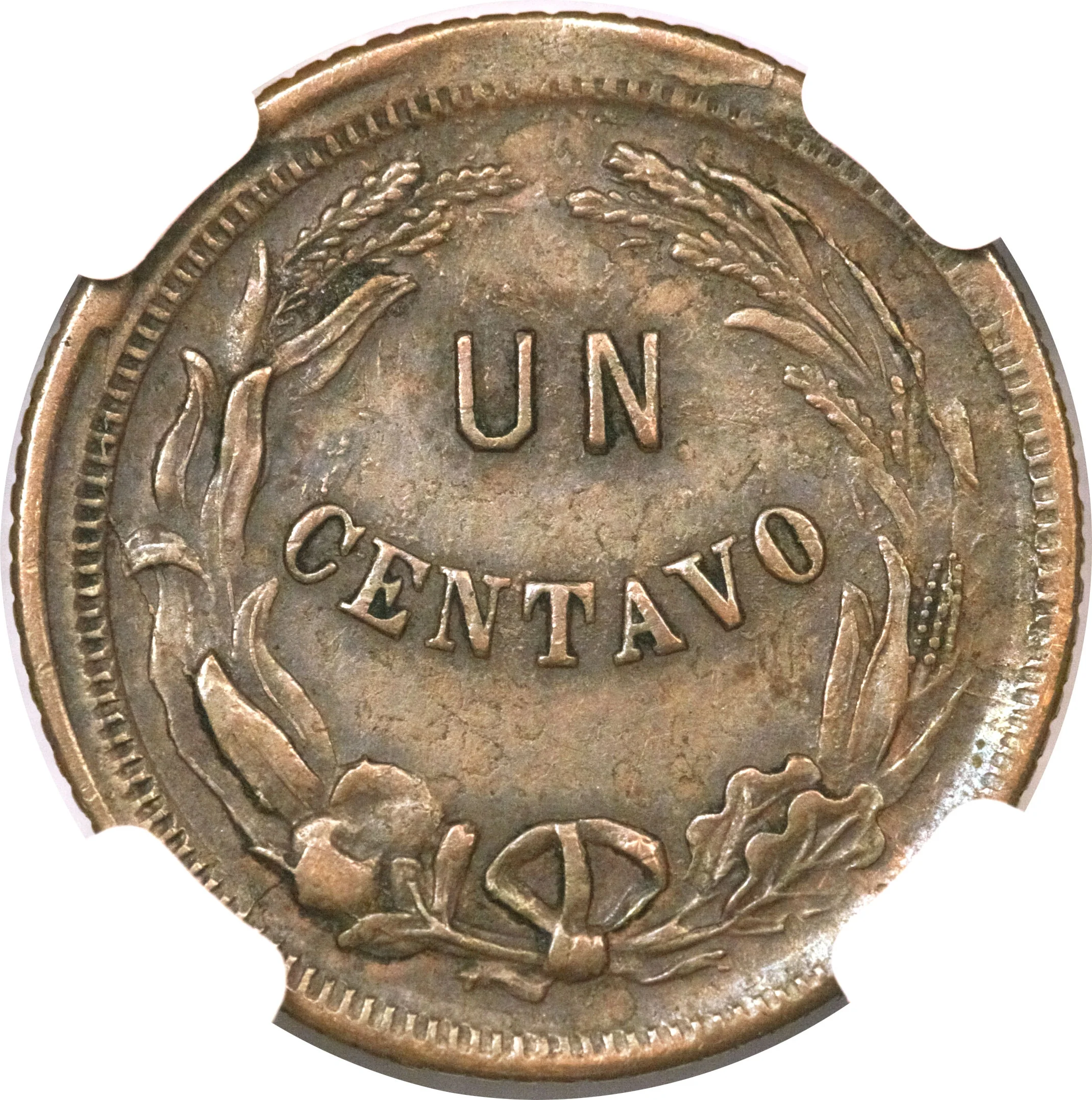
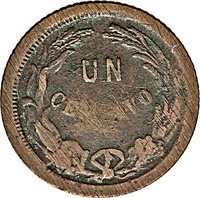
Reverse
Edge
Categories
| Symbols> Coat of Arms |
| Symbol> Wreath |
Mints
| Name | Mark |
|---|---|
| Casa Nacional de la Moneda | — |
Mintings
| Year | Mint Mark | Mintage | Quality | Collection |
|---|---|---|---|---|
| 1895 | — | — |
Historical background
In 1895, Honduras operated under a complex and unstable monetary system, a legacy of its colonial past and 19th-century economic challenges. The official currency was the silver Honduran Peso, theoretically tied to the global silver standard. However, the nation's chronic fiscal deficits, political instability, and underdeveloped banking sector led to severe shortages of minted coinage. This scarcity crippled everyday commerce and government transactions, creating a reliance on a confusing mix of foreign currencies that circulated at fluctuating values, primarily British sovereigns, US gold dollars, and Mexican silver pesos.
The situation was exacerbated by the global depreciation of silver against gold in the late 19th century. As a silver-standard country, Honduras found its currency losing international value, increasing the cost of imports and foreign debt servicing. This period saw the practical disappearance of full-weight Honduran silver coins from circulation, as they were often hoarded or exported for their bullion value. In their place, low-quality fractional coinage and even privately issued tokens filled the gap for small transactions, while larger trade and finance depended on unstable foreign coin.
This monetary chaos severely hindered economic development and foreign investment. The lack of a uniform, trustworthy medium of exchange was a significant obstacle to modernizing the coffee and banana export industries, which were beginning to drive the economy. The frustrations of 1895 were part of a prolonged crisis that would ultimately lead to major monetary reforms in the early 20th century, including the creation of new banking laws and the eventual adoption of the Lempira as the national currency in 1931, named for the indigenous leader who resisted Spanish conquest.
The situation was exacerbated by the global depreciation of silver against gold in the late 19th century. As a silver-standard country, Honduras found its currency losing international value, increasing the cost of imports and foreign debt servicing. This period saw the practical disappearance of full-weight Honduran silver coins from circulation, as they were often hoarded or exported for their bullion value. In their place, low-quality fractional coinage and even privately issued tokens filled the gap for small transactions, while larger trade and finance depended on unstable foreign coin.
This monetary chaos severely hindered economic development and foreign investment. The lack of a uniform, trustworthy medium of exchange was a significant obstacle to modernizing the coffee and banana export industries, which were beginning to drive the economy. The frustrations of 1895 were part of a prolonged crisis that would ultimately lead to major monetary reforms in the early 20th century, including the creation of new banking laws and the eventual adoption of the Lempira as the national currency in 1931, named for the indigenous leader who resisted Spanish conquest.
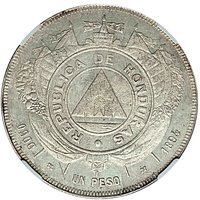
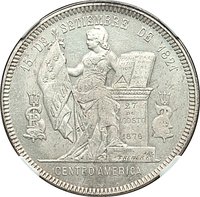
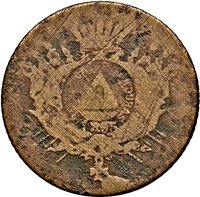
✨ Legendary