

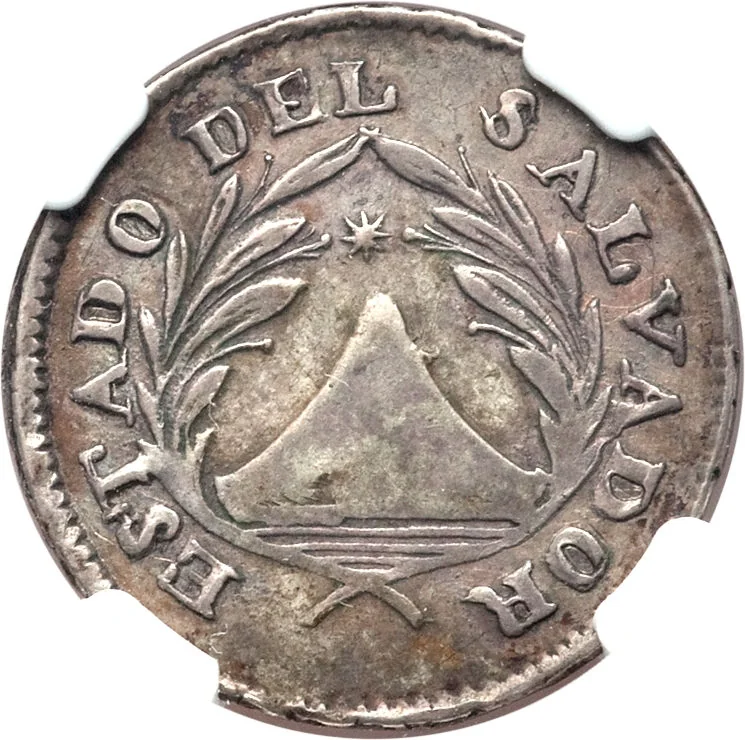
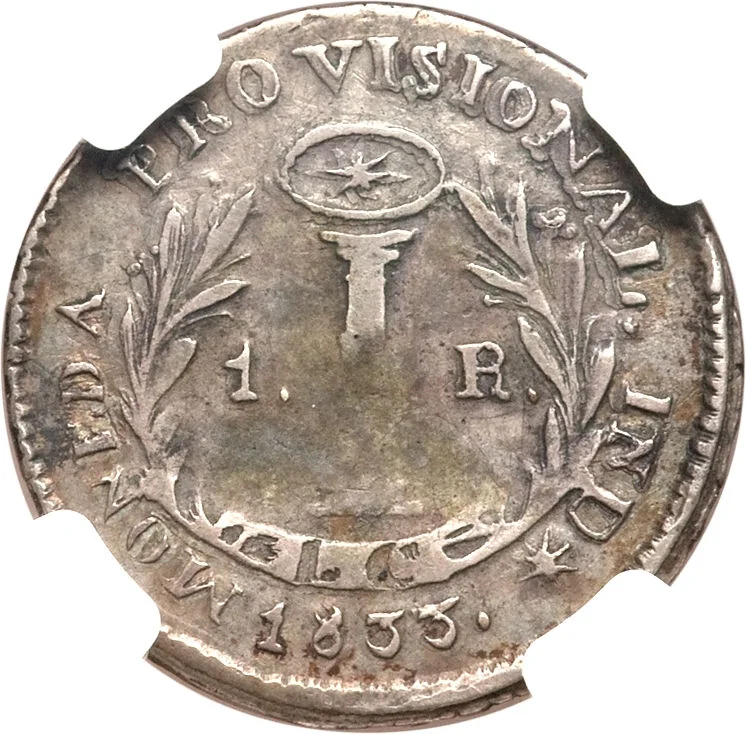
1 real – El Salvador
Add to wishlist
El Salvador
Context
Year: 1833
Issuer: El Salvador
Period:
(1823—1841)
Currency:
(1828—1889)
Demonetization: 14 February 1835
Material
References
KM: #
Numista: #75379
Value
Bullion value: $4.37
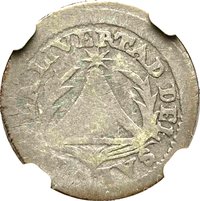
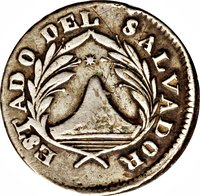
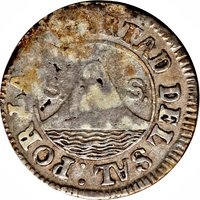
Obverse
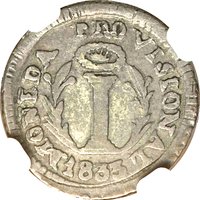
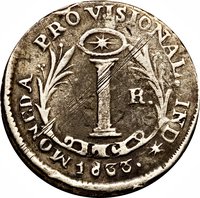
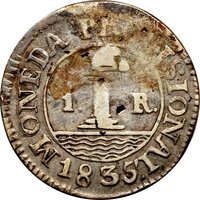
Reverse
Edge
Mintings
| Year | Mint Mark | Mintage | Quality | Collection |
|---|---|---|---|---|
| 1833 | — | — |
Historical background
In 1833, El Salvador's currency situation was characterized by profound instability and scarcity, a direct legacy of its recent independence from Spain in 1821 and its tumultuous membership in the Federal Republic of Central America. The new nation lacked its own mint and was awash in a chaotic mix of foreign coins, primarily Spanish colonial pieces like the real and the peso, but also coins from other Spanish American nations, and even cut and counterfeited pieces. This monetary anarchy created significant challenges for commerce and state finances, as the value and purity of coins in circulation were inconsistent and difficult to verify.
The federal government in Guatemala City held the exclusive right to mint coinage, but production was limited and failed to meet the economic needs of the individual states. Consequently, the Salvadoran government, under President Mariano Prado, attempted to bring order by officially recognizing specific foreign coins at fixed rates through decrees. However, these measures were largely ineffective on the ground. The fundamental problem was a severe shortage of sound, low-denomination currency for everyday transactions, which stifled local markets and forced reliance on inefficient barter for many citizens.
This monetary crisis was not merely an economic issue but a deeply political one. It fueled Salvadoran resentment toward the distant federal authority and strengthened the push for greater state sovereignty. The inability to control its own currency supply underscored the weaknesses of the Central American federation and highlighted the urgent need for El Salvador to establish its own financial infrastructure, a goal that would remain a central challenge for its leaders throughout the 1830s and beyond.
The federal government in Guatemala City held the exclusive right to mint coinage, but production was limited and failed to meet the economic needs of the individual states. Consequently, the Salvadoran government, under President Mariano Prado, attempted to bring order by officially recognizing specific foreign coins at fixed rates through decrees. However, these measures were largely ineffective on the ground. The fundamental problem was a severe shortage of sound, low-denomination currency for everyday transactions, which stifled local markets and forced reliance on inefficient barter for many citizens.
This monetary crisis was not merely an economic issue but a deeply political one. It fueled Salvadoran resentment toward the distant federal authority and strengthened the push for greater state sovereignty. The inability to control its own currency supply underscored the weaknesses of the Central American federation and highlighted the urgent need for El Salvador to establish its own financial infrastructure, a goal that would remain a central challenge for its leaders throughout the 1830s and beyond.
✨ Legendary