

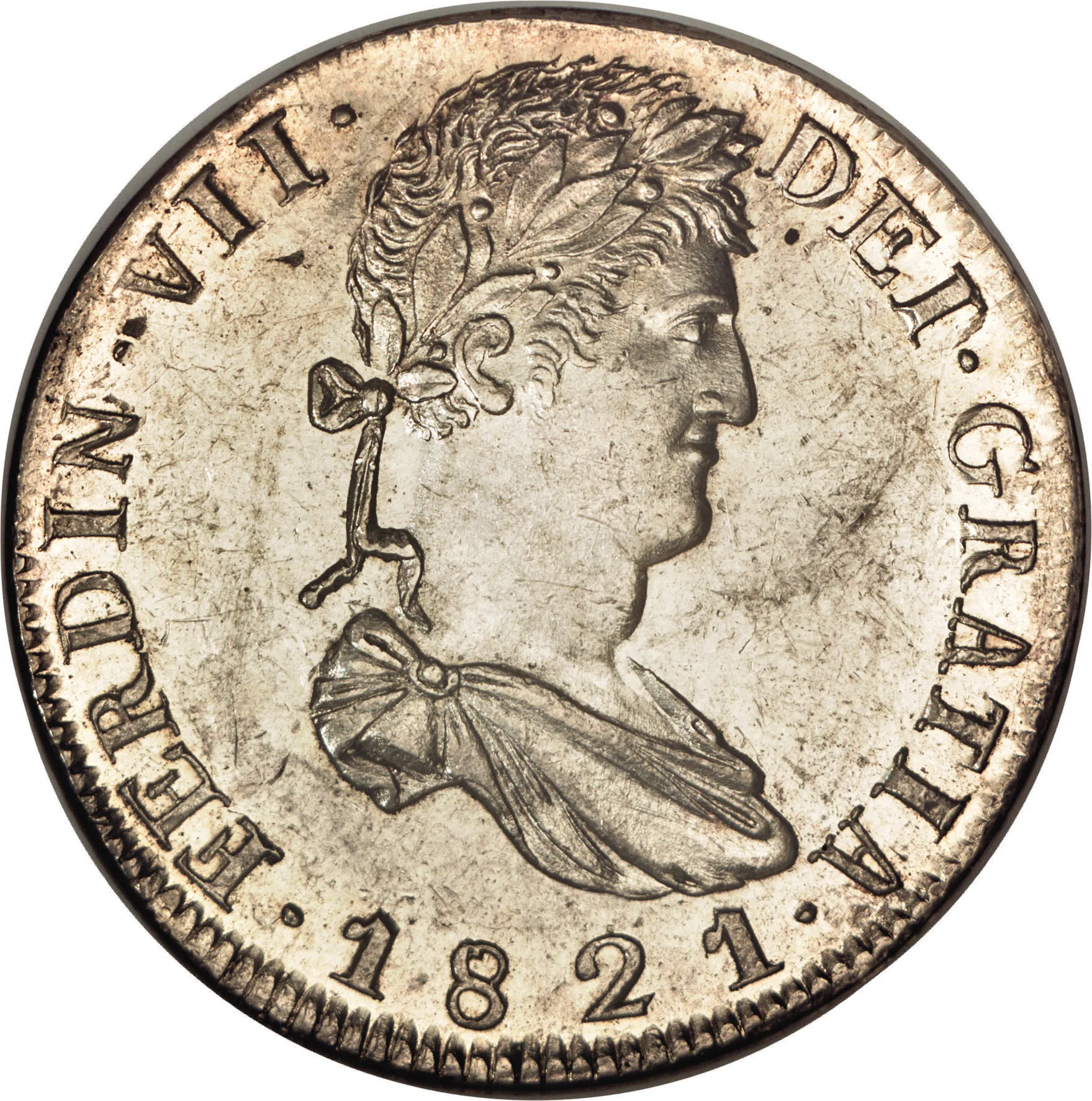
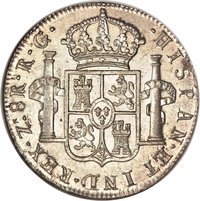
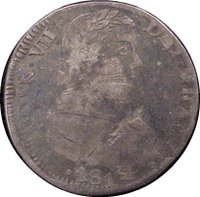
Obverse
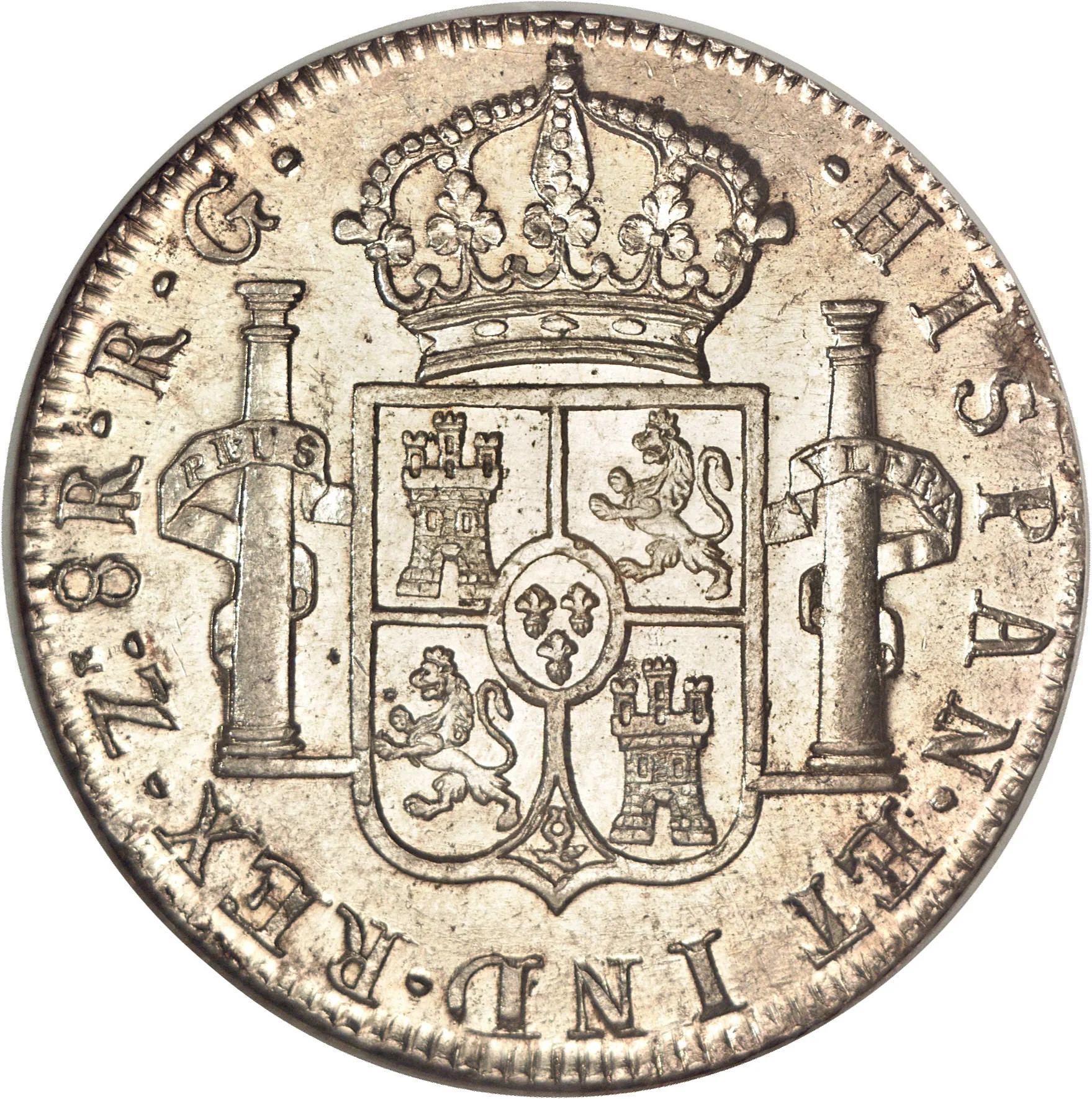
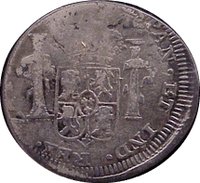
Reverse
Edge
Categories
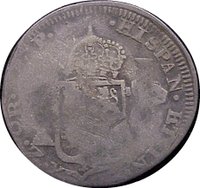
| Symbol> Crown |
| Symbols> Coat of Arms |
Mints
| Name | Mark |
|---|---|
| Casa de Moneda de Zacatecas | Zs |
Mintings
Historical background
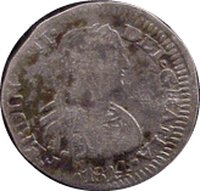
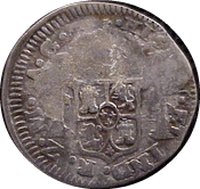
In 1813, the currency situation in Zacatecas was defined by profound instability and fragmentation, a direct consequence of the ongoing Mexican War of Independence. The region, a crucial mining center for silver, found its traditional economic pillars disrupted by the conflict. Royalist forces controlled the city of Zacatecas itself and the mint (Casa de Moneda), which continued to produce limited quantities of royalist coinage, primarily silver reales and pesos bearing the effigy of King Ferdinand VII. However, insurgent activity in the surrounding countryside and key trade routes severely hampered mining output, bullion transport, and the circulation of these official coins.
Alongside the strained royalist currency, a chaotic mix of alternative mediums of exchange flooded the local economy. The most significant were the crude copper or silver coins issued by various insurgent leaders, often hastily minted in mobile field workshops. These tokens, such as the "Morelos" issues, circulated with fluctuating and often discounted value based on the military fortunes of their issuers. Furthermore, the widespread use of older, worn colonial coins, foreign currencies (especially Spanish and French), and even stamped leather or paper tokens issued by local merchants and haciendas to pay workers became commonplace, reflecting a breakdown in centralized monetary authority.
This monetary anarchy created a climate of severe economic hardship and confusion for the population of Zacatecas. Prices were highly volatile, and trust in any coin's intrinsic or guaranteed value was low. The coexistence of royalist, insurgent, and improvised currencies meant that daily commerce became a negotiated exercise, undermining both local trade and the broader war efforts of all factions. The situation in 1813 thus exemplifies how the independence struggle shattered the colonial financial system, replacing it with a contested and unreliable patchwork of currencies that mirrored the fractured political landscape of the time.
Alongside the strained royalist currency, a chaotic mix of alternative mediums of exchange flooded the local economy. The most significant were the crude copper or silver coins issued by various insurgent leaders, often hastily minted in mobile field workshops. These tokens, such as the "Morelos" issues, circulated with fluctuating and often discounted value based on the military fortunes of their issuers. Furthermore, the widespread use of older, worn colonial coins, foreign currencies (especially Spanish and French), and even stamped leather or paper tokens issued by local merchants and haciendas to pay workers became commonplace, reflecting a breakdown in centralized monetary authority.
This monetary anarchy created a climate of severe economic hardship and confusion for the population of Zacatecas. Prices were highly volatile, and trust in any coin's intrinsic or guaranteed value was low. The coexistence of royalist, insurgent, and improvised currencies meant that daily commerce became a negotiated exercise, undermining both local trade and the broader war efforts of all factions. The situation in 1813 thus exemplifies how the independence struggle shattered the colonial financial system, replacing it with a contested and unreliable patchwork of currencies that mirrored the fractured political landscape of the time.

🌟 Limited