In 1814, the currency situation in the State of Oaxaca was defined by the chaos and financial improvisation of the ongoing Mexican War of Independence. The region was a contested and fluid battleground between Royalist forces loyal to the Spanish Crown and Insurgent armies fighting for independence. This military and political division directly fractured the monetary system, creating a zone of competing currencies and severe scarcity. The reliable silver
reales minted by the Royal authority in Mexico City remained in circulation but were often hoarded or flowed out of the insurgent-controlled areas, leading to a critical shortage of specie for everyday transactions.
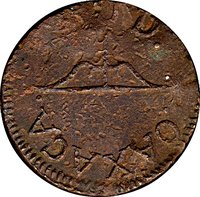
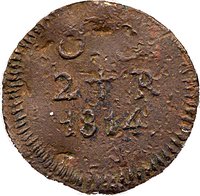
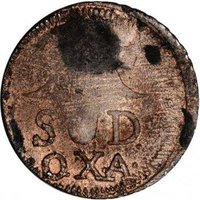
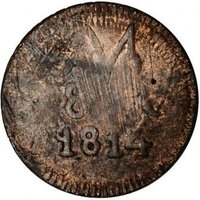
To address this shortage, both sides resorted to issuing their own emergency money. The most significant development was the establishment of an Insurgent mint by General José María Morelos y Pavón after his forces captured the city of Oaxaca in November 1812. This mint, operating until the city was recaptured by Royalists in 1814, produced crude but symbolic copper and silver coins. These coins, often stamped with the image of a bow and arrow (a symbol of Oaxaca) and the word
SUD (for
Supremo Gobierno Americano de Sud), were a bold assertion of sovereignty. However, their value was not intrinsic but based purely on the military authority and fleeting credibility of the Insurgent government, making them unstable and largely confined to areas under Morelos's direct control.
Consequently, the populace in 1814 faced a precarious monetary environment. In Royalist-held towns, the old Spanish system nominally functioned, but with scarcity. In areas recently retaken by Royalists, Insurgent coinage was demonetized, causing immediate loss for those holding it. Across the countryside, barter became a necessary alternative, and any coins—whether worn
reales, insurgent coppers, or even clipped and counterfeited pieces—circulated at volatile, negotiated values. The currency situation in Oaxaca in 1814 was, therefore, a direct reflection of the war itself: fragmented, unstable, and enforced by the prevailing force in any given town, imposing significant hardship on the local economy and undermining all attempts at financial normalcy.