

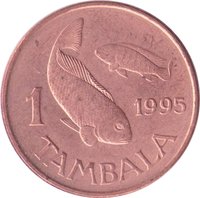
1 Kwacha – Malawi
Malawi
Context
Material
Diameter: 26 mm
Weight: 9.4 g
Thickness: 2.2 mm
Shape: Round
Composition: Nickel brass
Magnetic: No
Technique: Milled
Alignment: Medal alignment
flip
References
KM: #Click to copy to clipboard20
Numista: #11281
Value
Exchange value: 1 MWK
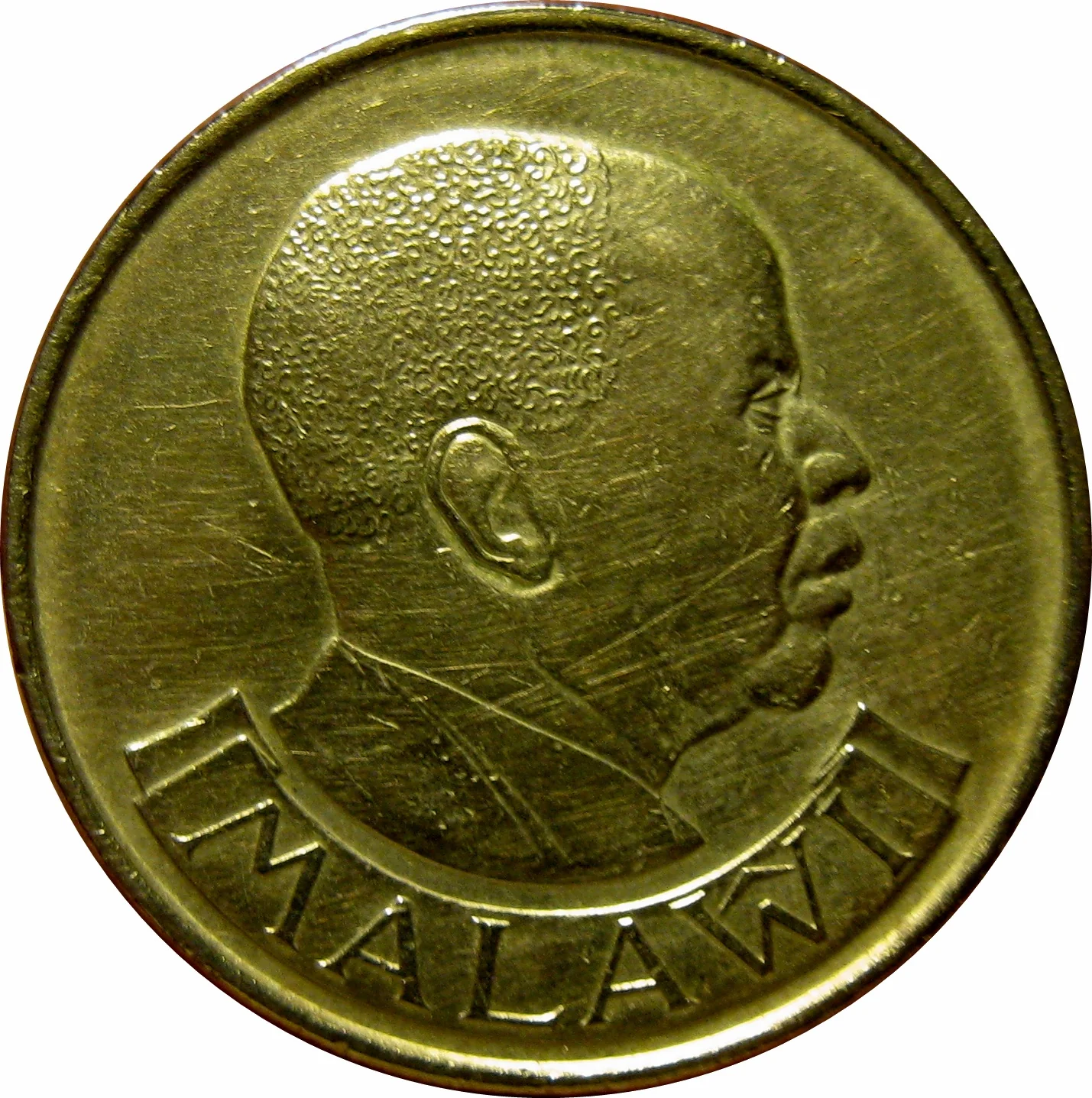
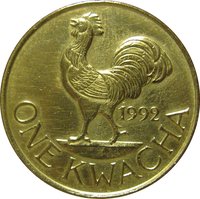
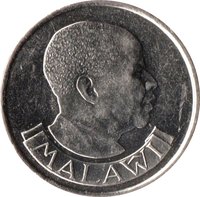
Obverse
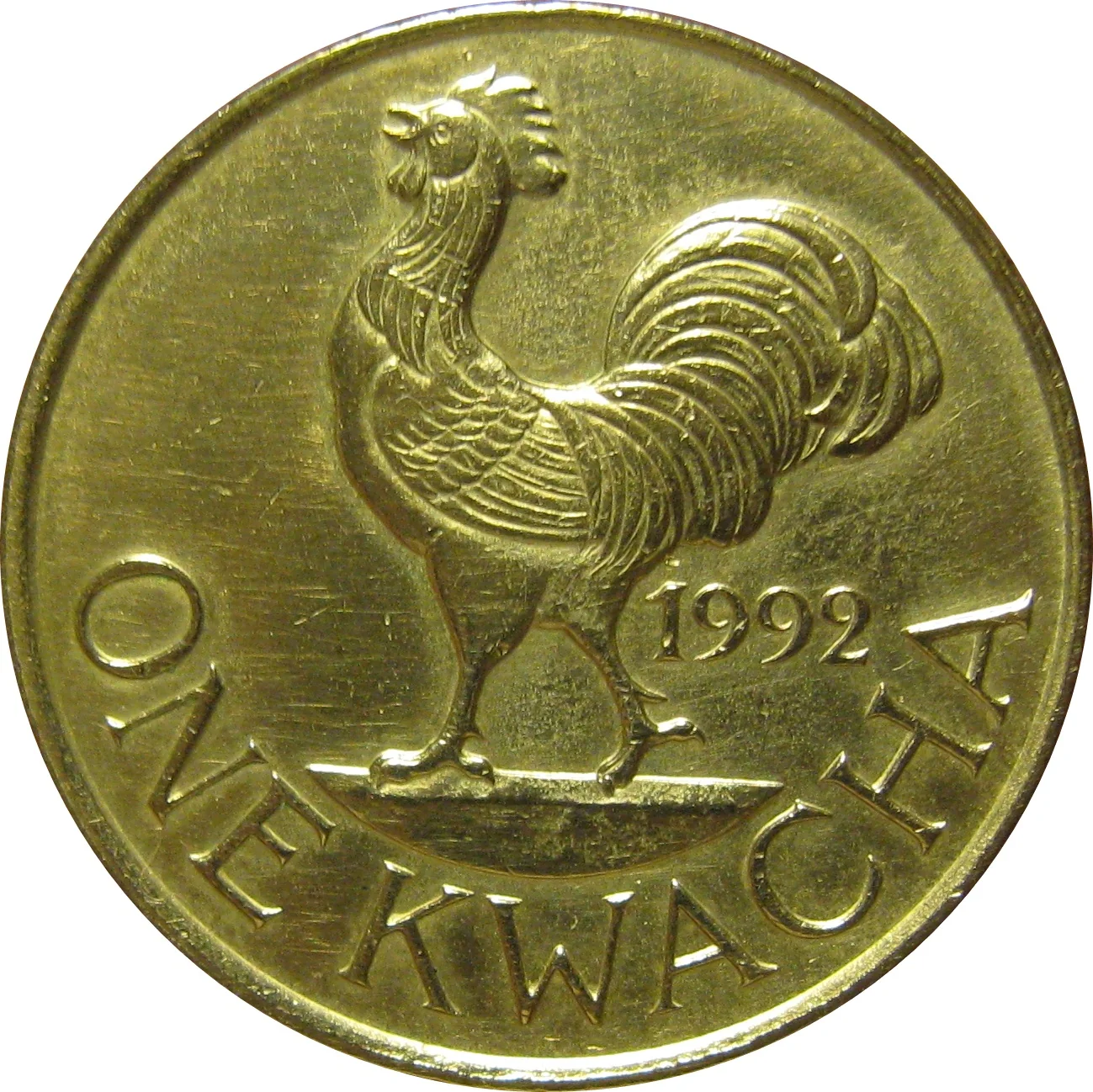
Reverse
Edge
Reeded
Categories
| Animal> Bird |
| Person> Politician |
Mints
| Name | Mark |
|---|---|
| Royal Mint | — |
Mintings
| Year | Mint Mark | Mintage | Quality | Collection |
|---|---|---|---|---|
| 1992 | — | — |
Historical background
In 1992, Malawi's currency situation was defined by the severe overvaluation of the Malawian Kwacha (MWK) under a fixed exchange rate system rigidly controlled by the government of President Hastings Kamuzu Banda. This system, managed by the Reserve Bank of Malawi, maintained an official rate that bore little relation to economic reality, creating a vast disparity with the thriving black market. The overvalued kwacha severely hampered exports, made imports artificially cheap, and led to chronic foreign exchange shortages, stifling business and industrial activity.
The economic distortions were exacerbated by a combination of external shocks and longstanding policy choices. A severe drought in 1992 devastated agricultural production, particularly of the staple maize, forcing the country to spend scarce foreign reserves on food imports. This crisis occurred within a broader context of economic mismanagement, including the heavy subsidization of state-owned enterprises and the elite, which drained fiscal resources. Furthermore, Malawi's heavy dependence on a few agricultural exports (notably tobacco, tea, and sugar), whose prices were volatile on the global market, left the economy exceptionally vulnerable.
Consequently, 1992 became a pivotal year of mounting pressure for reform. The currency misalignment and forex crisis were central factors leading to negotiations with the International Monetary Fund (IMF) and the World Bank. Under their guidance, Malawi embarked on a Structural Adjustment Programme (SAP), which would culminate in a major devaluation of the kwacha in early 1993. Thus, the currency situation of 1992 represented the final, unsustainable chapter of a controlled economic model, setting the stage for a painful but necessary liberalization of the exchange rate and the broader economy.
The economic distortions were exacerbated by a combination of external shocks and longstanding policy choices. A severe drought in 1992 devastated agricultural production, particularly of the staple maize, forcing the country to spend scarce foreign reserves on food imports. This crisis occurred within a broader context of economic mismanagement, including the heavy subsidization of state-owned enterprises and the elite, which drained fiscal resources. Furthermore, Malawi's heavy dependence on a few agricultural exports (notably tobacco, tea, and sugar), whose prices were volatile on the global market, left the economy exceptionally vulnerable.
Consequently, 1992 became a pivotal year of mounting pressure for reform. The currency misalignment and forex crisis were central factors leading to negotiations with the International Monetary Fund (IMF) and the World Bank. Under their guidance, Malawi embarked on a Structural Adjustment Programme (SAP), which would culminate in a major devaluation of the kwacha in early 1993. Thus, the currency situation of 1992 represented the final, unsustainable chapter of a controlled economic model, setting the stage for a painful but necessary liberalization of the exchange rate and the broader economy.
🌱 Common