

10 cents – Mauritius
Add to wishlist
Mauritius
Context
Material
Diameter: 23.5 mm
Weight: 5.15 g
Thickness: 1.9 mm
Shape: Scalloped
Composition: Copper-nickel
Technique: Milled
Alignment: Medal alignment
flip
References
KM: #
Numista: #7299
Value
Exchange value: 0.10 MUR
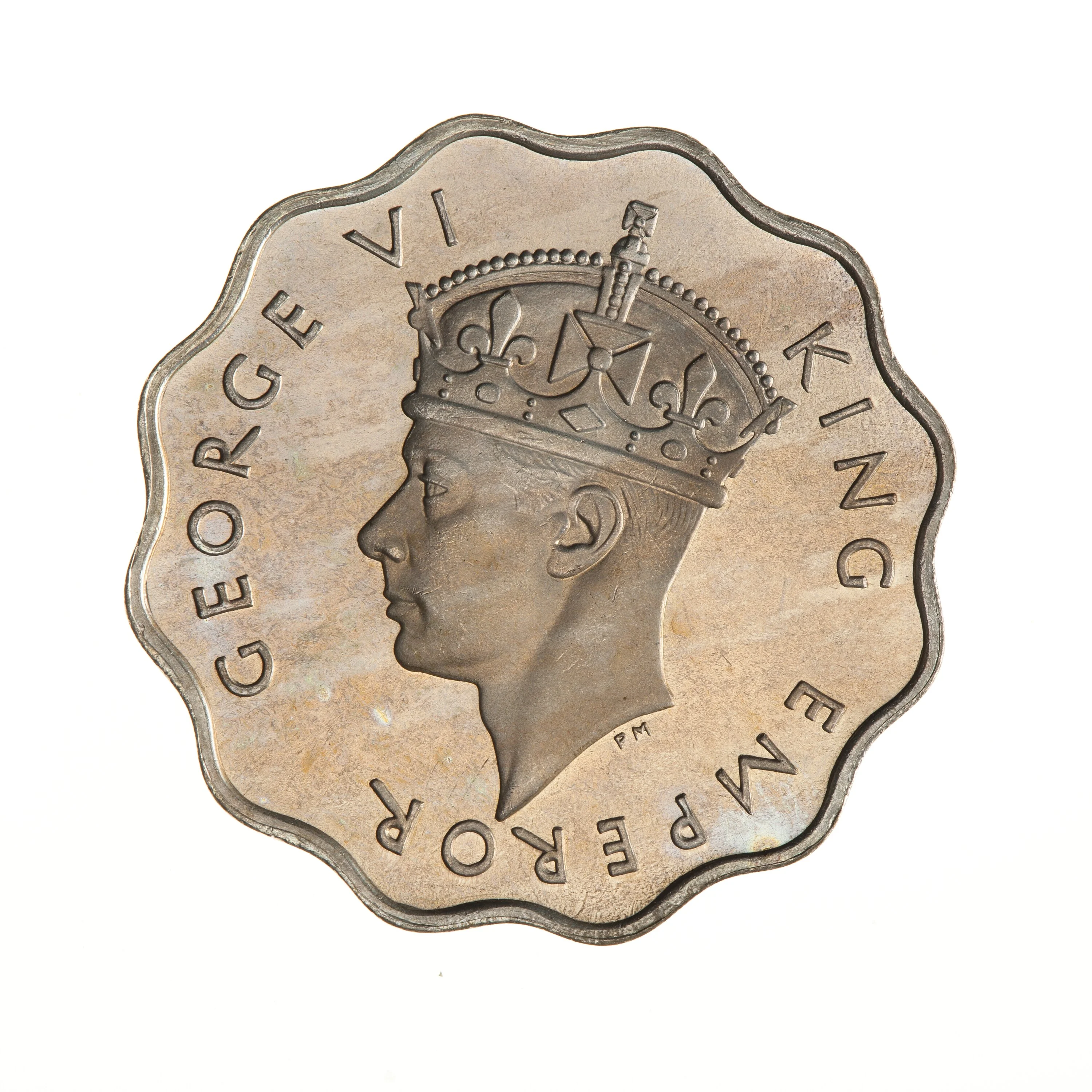
Obverse
Description:
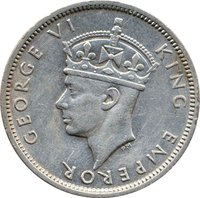
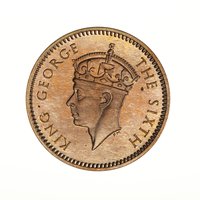
Crowned left-facing bust.
Inscription:
GEORGE VI KING EMPEROR
PM
PM
Translation:
GEORGE VI KING EMPEROR
PM
PM
Script: Latin
Language: English
Engraver: Percy Metcalfe
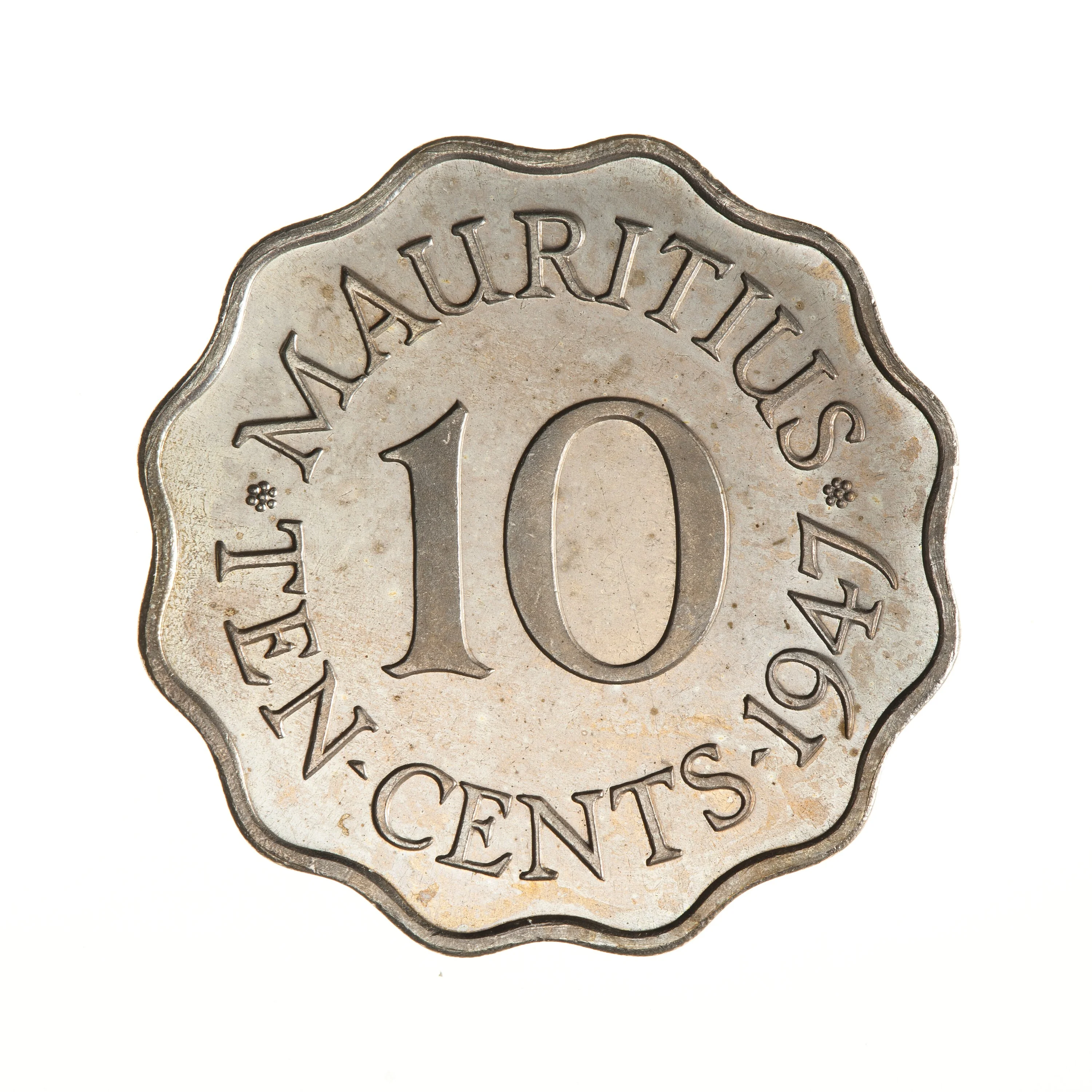
Reverse
Description:
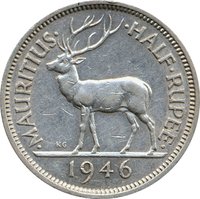
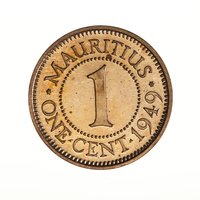
Center: value, date, and written value below.
Inscription:
·MAURITIUS·
10
TEN CENTS·1947
10
TEN CENTS·1947
Script: Latin
Edge
Mintings
| Year | Mint Mark | Mintage | Quality | Collection |
|---|---|---|---|---|
| 1947 | — | 500,000 | ||
| 1947 | — | — | Proof |
Historical background
In 1947, Mauritius was a British colony operating under a currency board system, with the Mauritian rupee pegged to both sterling and the Indian rupee. This dual peg reflected the island's deep economic ties to both its colonial ruler and India, the source of most of its indentured labour population and a key trading partner. The Mauritian rupee's value was legally defined as equivalent to one shilling and sixpence sterling, or 21 Indian pence, creating a stable but externally dependent monetary framework managed by the Board of Commissioners of Currency.
The post-World War II period brought significant economic strain, challenging this system. Global inflation and shipping disruptions had caused severe shortages of essential goods, leading to social unrest and the first general strike on the island in 1943. By 1947, while the peg provided stability, it also meant Mauritius had little independent monetary policy to manage domestic economic pressures. The economy remained heavily reliant on the sugar industry, and the currency's rigid link to sterling meant its fortunes were directly tied to decisions made in London.
This context set the stage for a pivotal monetary shift the following year. In 1948, the peg to the Indian rupee was formally severed, a move that underscored India's recent independence and the reorientation of Mauritius's economic administration more firmly towards Britain. The 1947 currency situation, therefore, represents the final year of an older colonial monetary order, poised on the brink of simplification as the colony navigated the turbulent post-war world and the early stirrings of political change that would eventually lead to independence.
The post-World War II period brought significant economic strain, challenging this system. Global inflation and shipping disruptions had caused severe shortages of essential goods, leading to social unrest and the first general strike on the island in 1943. By 1947, while the peg provided stability, it also meant Mauritius had little independent monetary policy to manage domestic economic pressures. The economy remained heavily reliant on the sugar industry, and the currency's rigid link to sterling meant its fortunes were directly tied to decisions made in London.
This context set the stage for a pivotal monetary shift the following year. In 1948, the peg to the Indian rupee was formally severed, a move that underscored India's recent independence and the reorientation of Mauritius's economic administration more firmly towards Britain. The 1947 currency situation, therefore, represents the final year of an older colonial monetary order, poised on the brink of simplification as the colony navigated the turbulent post-war world and the early stirrings of political change that would eventually lead to independence.
🌱 Fairly Common