

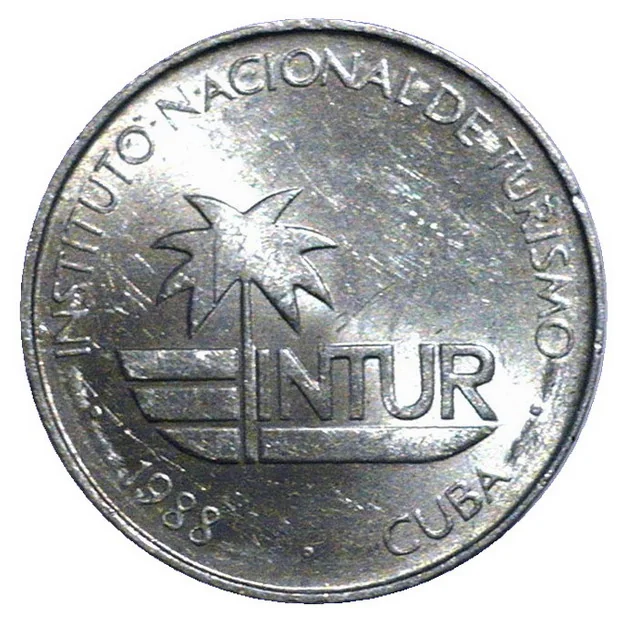
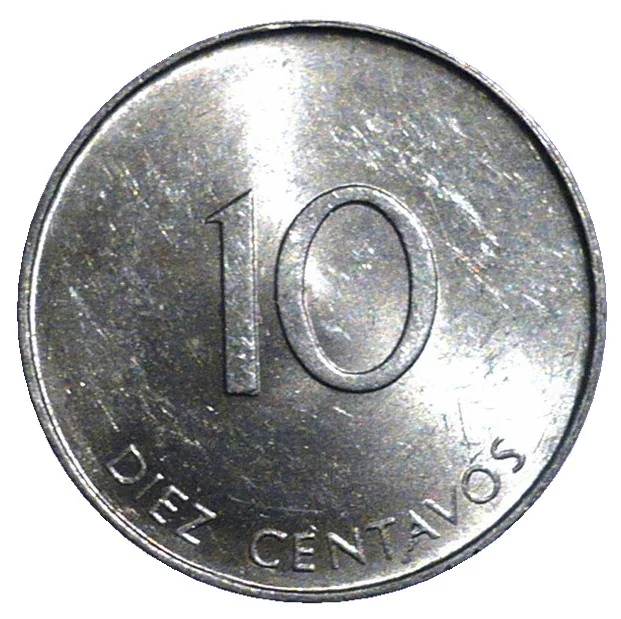
10 centavos – Cuba
Add to wishlist
Cuba
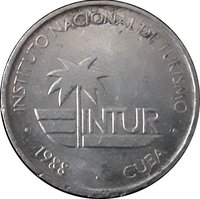
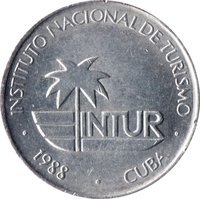
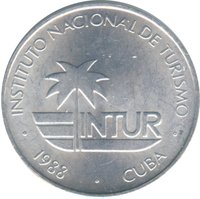
Obverse
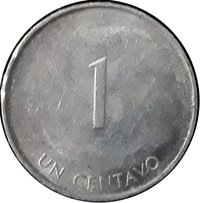
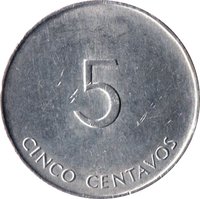
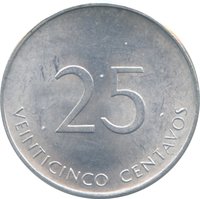
Reverse
Edge
Plain
Mintings
| Year | Mint Mark | Mintage | Quality | Collection |
|---|---|---|---|---|
| 1988 | — | — |
Historical background
In 1988, Cuba's currency situation was defined by a stable but strained dual-currency system, operating under the heavy constraints of its Soviet-bloc economic integration. The official currency, the Cuban Peso (CUP), was fixed at par with the U.S. dollar for accounting purposes but was non-convertible and strictly controlled. Its value and utility were largely artificial, sustained by massive subsidies and preferential trade agreements with the Council for Mutual Economic Assistance (CMEA), particularly the Soviet Union, which purchased Cuban sugar at above-market prices and supplied vital oil and machinery. Domestically, the peso was used for all salaries and for purchasing rationed goods in state stores, where prices were heavily subsidized but availability was often poor.
Alongside this, the U.S. dollar functioned as a powerful informal parallel currency, circulating semi-officially in a "dollar economy" that existed alongside the peso system. Access to dollars, primarily through remittances from family abroad or the black market, was essential for purchasing scarce goods in special state-run "diplotiendas" (dollar stores) or on the black market. This created a stark social divide between those with access to hard currency and those reliant solely on peso salaries, as dollar goods were of higher quality and greater variety than those available for pesos. The government, while officially discouraging this duality, pragmatically tolerated it as a necessary pressure valve and source of hard currency.
The overall economic backdrop was one of growing vulnerability. While the Soviet subsidies created a facade of stability, the Cuban economy was suffering from chronic inefficiencies, low productivity, and a mounting foreign debt. The system in 1988 was therefore in a precarious equilibrium—propped up by external support but internally fractured by the peso/dollar divide. Unbeknownst to most at the time, this situation was on the brink of catastrophe, as the impending collapse of the Soviet Union would soon withdraw the essential subsidies, triggering the severe economic crisis of the "Special Period" in the 1990s and forcing a drastic evolution of Cuba's monetary policies.
Alongside this, the U.S. dollar functioned as a powerful informal parallel currency, circulating semi-officially in a "dollar economy" that existed alongside the peso system. Access to dollars, primarily through remittances from family abroad or the black market, was essential for purchasing scarce goods in special state-run "diplotiendas" (dollar stores) or on the black market. This created a stark social divide between those with access to hard currency and those reliant solely on peso salaries, as dollar goods were of higher quality and greater variety than those available for pesos. The government, while officially discouraging this duality, pragmatically tolerated it as a necessary pressure valve and source of hard currency.
The overall economic backdrop was one of growing vulnerability. While the Soviet subsidies created a facade of stability, the Cuban economy was suffering from chronic inefficiencies, low productivity, and a mounting foreign debt. The system in 1988 was therefore in a precarious equilibrium—propped up by external support but internally fractured by the peso/dollar divide. Unbeknownst to most at the time, this situation was on the brink of catastrophe, as the impending collapse of the Soviet Union would soon withdraw the essential subsidies, triggering the severe economic crisis of the "Special Period" in the 1990s and forcing a drastic evolution of Cuba's monetary policies.
Series: 1988 Cuba circulation coins
🌱 Common