

½ penny – South Africa
Add to wishlist
South Africa
Context
Years: 1931–1936
Issuer: South Africa
Ruler: George V
Currency:
(1825—1961)
Demonetization: 31 March 1961
Total mintage: 1,307,823
Material
References
KM: #
Numista: #70364
Obverse
Description:
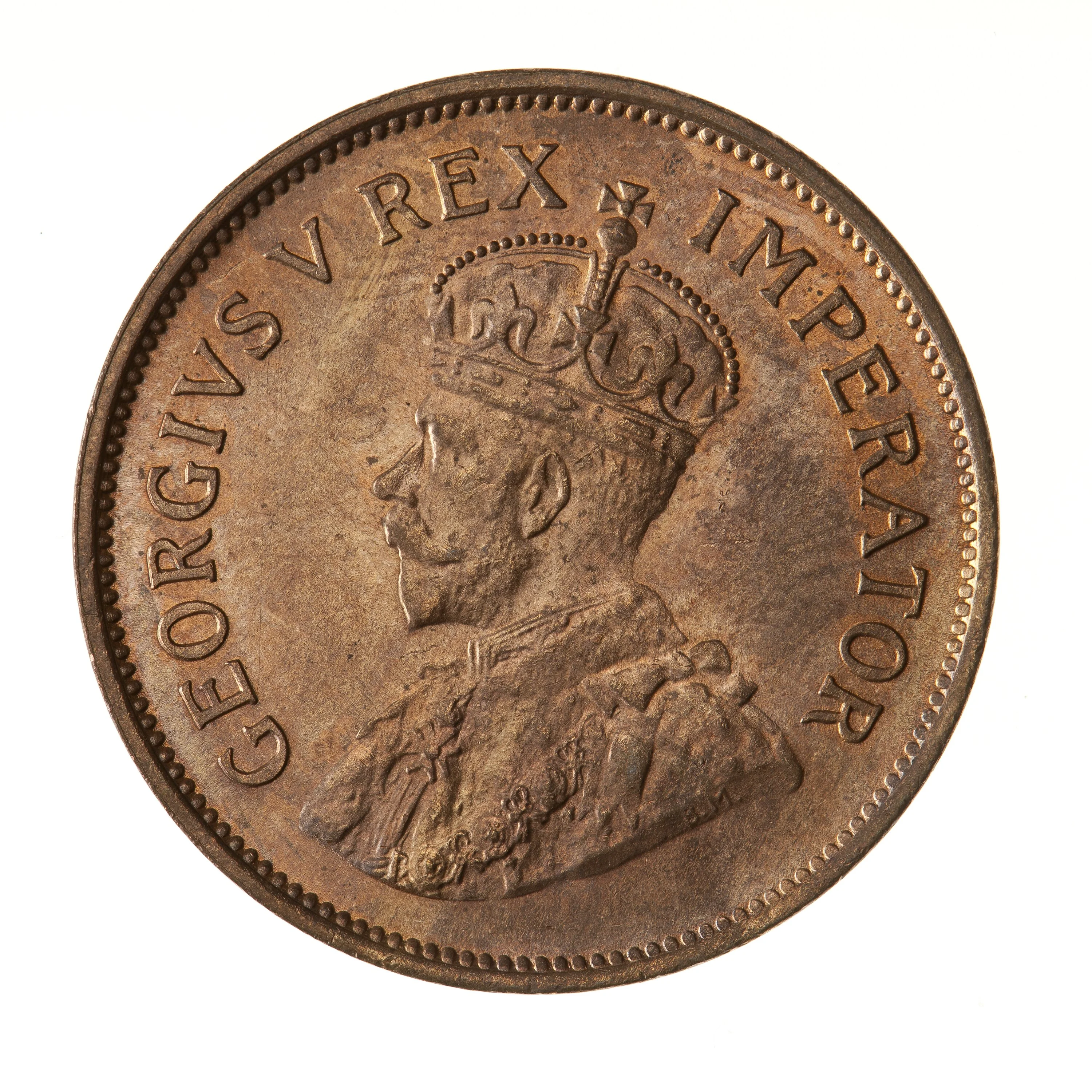
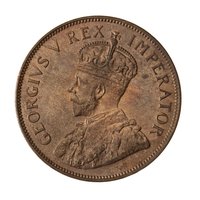
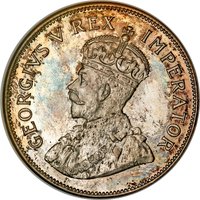
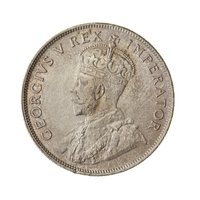
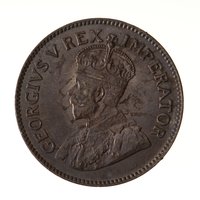
King George V crowned bust left, legend around, engraver's initials on truncation.
Inscription:
GEORGIVS V REX IMPERATOR
B.M.
B.M.
Translation:
George V, King and Emperor.
By the Grace of God.
By the Grace of God.
Script: Latin
Language: Latin
Engraver: Edgar Bertram MacKennal
Reverse
Description:
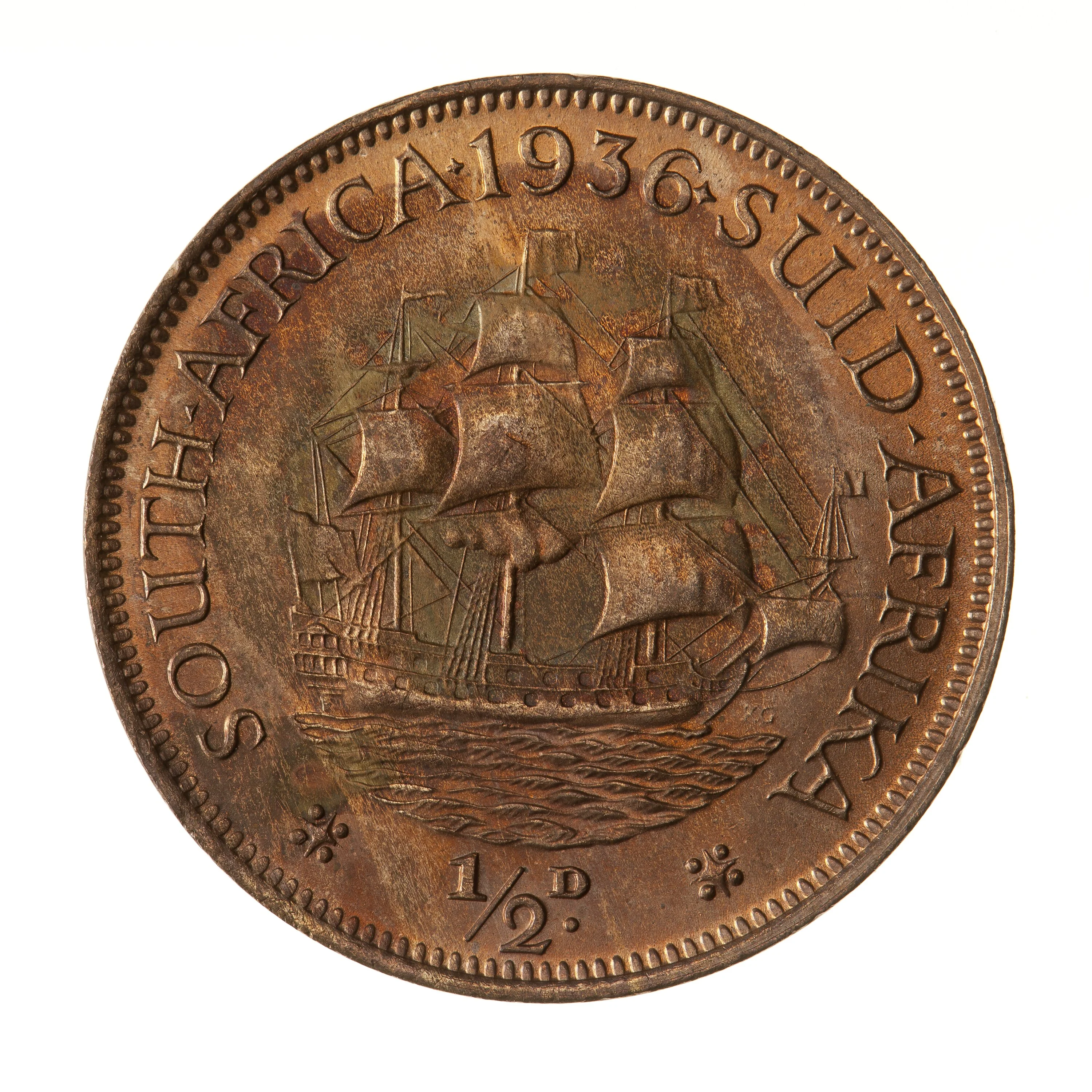
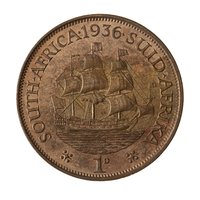
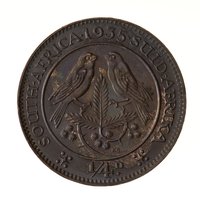
The ship "Dromedaris" sails to the right, flanked by legends in English and Afrikaans, with the date above and denomination below.
Inscription:
SOUTH·AFRICA · /date/ · SUID·AFRIKA
KG
* ½ D *
KG
* ½ D *
Script: Latin
Engraver: George Kruger Gray
Edge
Plain
Categories
| Person> Monarch |
| Transportation> Watercraft |
| Mustache/Beard |
| Symbol> Crown |
Mints
| Name | Mark |
|---|---|
| Pretoria | — |
Mintings
| Year | Mint Mark | Mintage | Quality | Collection |
|---|---|---|---|---|
| 1931 | — | 62 | Proof | |
| 1932 | — | 106,438 | ||
| 1932 | — | 12 | Proof | |
| 1933 | — | 63,435 | ||
| 1933 | — | 20 | Proof | |
| 1934 | — | 24 | Proof | |
| 1934 | — | 325,830 | ||
| 1935 | — | 405,290 | ||
| 1935 | — | 20 | Proof | |
| 1936 | — | 406,652 | ||
| 1936 | — | 40 | Proof |
Historical background
In 1931, South Africa's currency situation was fundamentally defined by its position within the British Empire and the global shock of the Great Depression. The country operated on the gold standard, with its currency, the South African pound, pegged at parity to sterling and fully convertible into gold. This system, managed by the South African Reserve Bank (established in 1921), provided stability and facilitated trade with Britain, the dominant economic partner. However, this imperial link also meant that South Africa's monetary policy was heavily influenced by decisions made in London.
The crisis erupted in September 1931 when the United Kingdom, under severe financial strain, was forced to abandon the gold standard. Sterling depreciated sharply, creating an immediate and profound dilemma for South Africa. The government, led by the pro-British Prime Minister Barry Hertzog and supported by powerful mining and commercial interests, faced a stark choice: follow Britain off gold and devalue the South African pound, or remain on the gold standard alone. Hertzog's cabinet, prioritizing imperial loyalty and fearing trade disruption, swiftly decided to "follow sterling," severing the gold peg on December 28, 1931.
This decision was highly controversial and had seismic economic consequences. It provoked the "Gold Standard Crisis," splitting the governing coalition and leading to the resignation of Finance Minister N.C. Havenga, who favoured remaining on gold. While the devaluation provided a temporary boost to exporters of agricultural and other commodities, its primary and lasting effect was to dramatically increase the profitability of the gold mining industry. The price of gold in sterling terms rose, breathing new life into marginal mines, accelerating the Witwatersrand gold boom, and fundamentally reshaping the South African economy for decades to come, further entrenching the political and economic power of the gold mining sector.
The crisis erupted in September 1931 when the United Kingdom, under severe financial strain, was forced to abandon the gold standard. Sterling depreciated sharply, creating an immediate and profound dilemma for South Africa. The government, led by the pro-British Prime Minister Barry Hertzog and supported by powerful mining and commercial interests, faced a stark choice: follow Britain off gold and devalue the South African pound, or remain on the gold standard alone. Hertzog's cabinet, prioritizing imperial loyalty and fearing trade disruption, swiftly decided to "follow sterling," severing the gold peg on December 28, 1931.
This decision was highly controversial and had seismic economic consequences. It provoked the "Gold Standard Crisis," splitting the governing coalition and leading to the resignation of Finance Minister N.C. Havenga, who favoured remaining on gold. While the devaluation provided a temporary boost to exporters of agricultural and other commodities, its primary and lasting effect was to dramatically increase the profitability of the gold mining industry. The price of gold in sterling terms rose, breathing new life into marginal mines, accelerating the Witwatersrand gold boom, and fundamentally reshaping the South African economy for decades to come, further entrenching the political and economic power of the gold mining sector.
🌱 Fairly Common