

½ Penny – South Africa
South Africa
Context
Years: 1928–1931
Issuer: South Africa 
Ruler: George V
Currency:
(1825—1961)
Demonetization: 31 March 1961
Total mintage: 669,044
Material
References
KM: #Click to copy to clipboard13.2
Numista: #70363
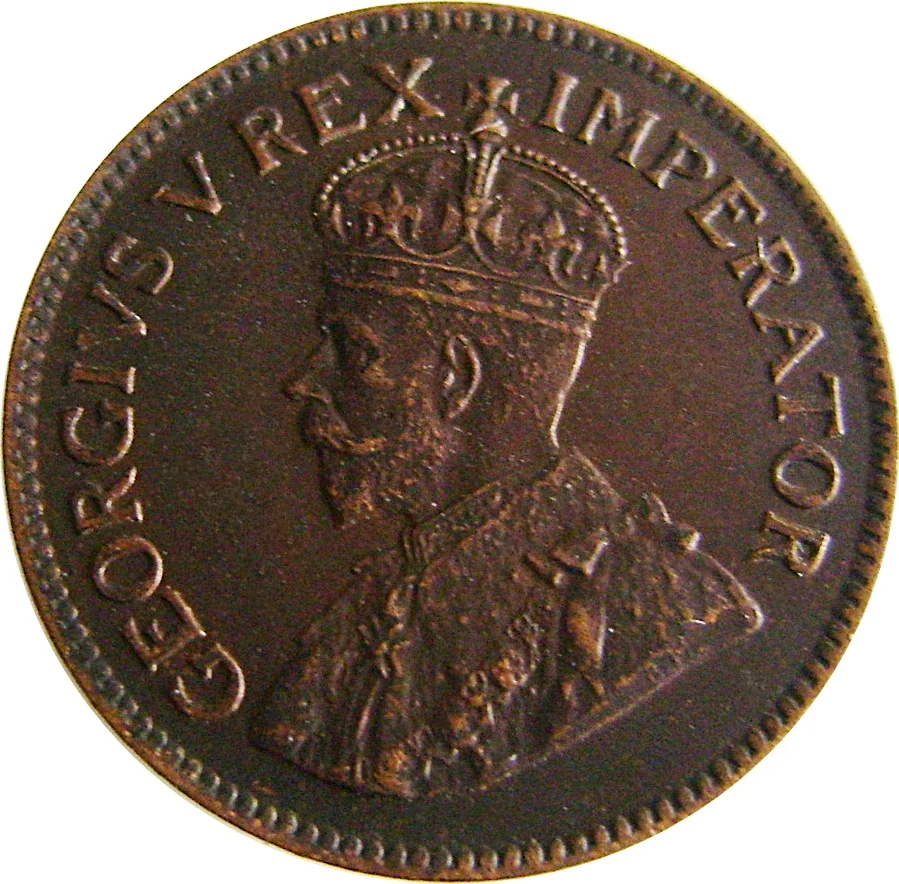
Obverse
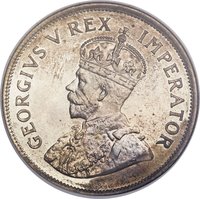
Description:
King George V left-facing crowned bust, engraver's initials in truncation.
Inscription:
GEORGIVS V REX IMPERATOR
B.M.
B.M.
Translation:
George V, King and Emperor.
By the Grace of God.
By the Grace of God.
Script: Latin
Language: Latin
Engraver: Edgar Bertram MacKennal
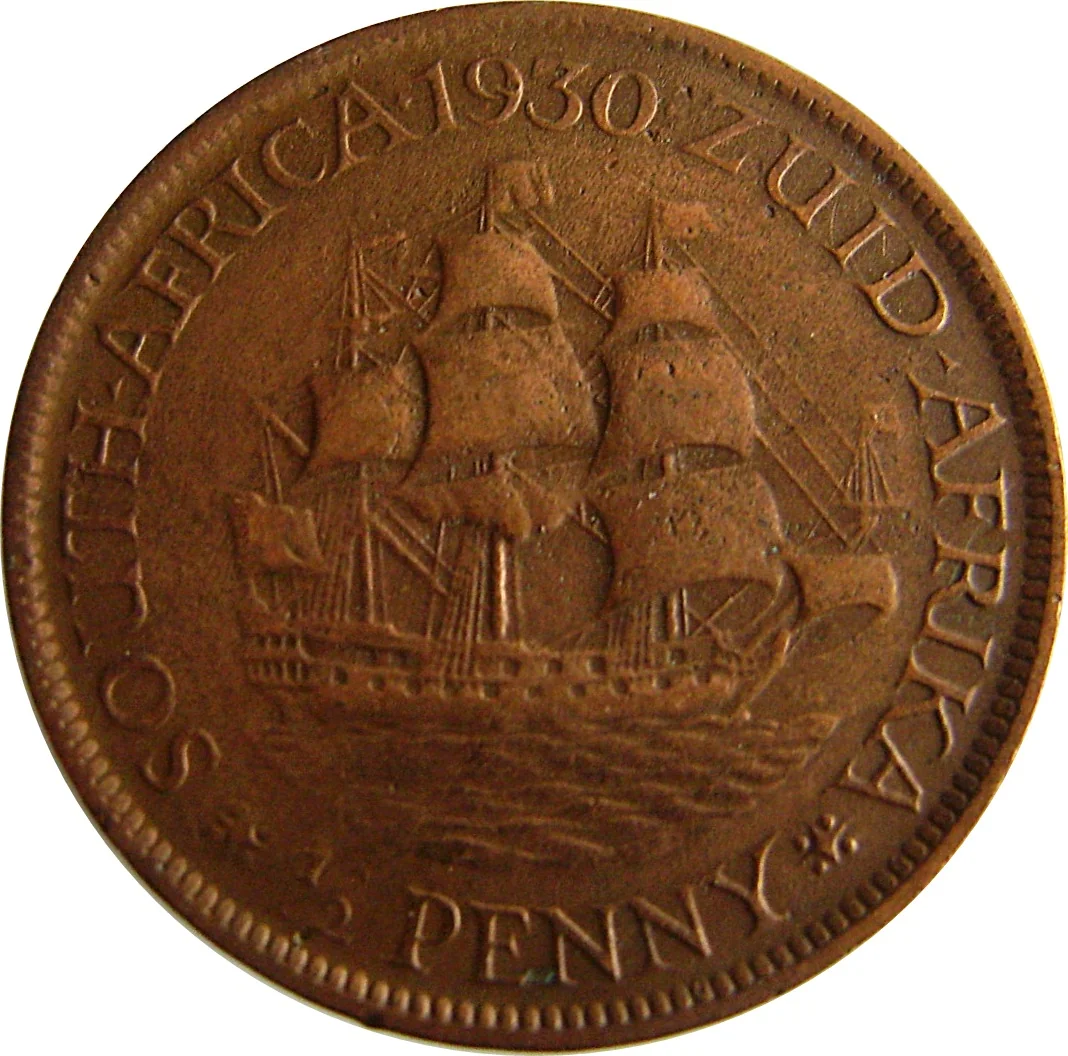
Reverse
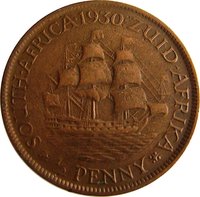
Description:
Ship "Dromedaris" sailing right, with bilingual legend, date above, denomination below, and engraver's initials before the ship.
Inscription:
SOUTH·AFRICA · 1930 · ZUID·AFRIKA
KG
* ½ PENNY *
KG
* ½ PENNY *
Script: Latin
Engraver: George Kruger Gray
Edge
Plain
Categories
| Person> Monarch |
| Transportation> Watercraft |
| Mustache/Beard |
| Symbol> Crown |
Mints
| Name | Mark |
|---|---|
| Pretoria | — |
Mintings
| Year | Mint Mark | Mintage | Quality | Collection |
|---|---|---|---|---|
| 1928 | — | 104,912 | ||
| 1929 | — | 272,095 | ||
| 1930 | — | 146,680 | ||
| 1930 | — | 14 | Proof | |
| 1931 | — | 145,343 |
Historical background
In 1928, South Africa's currency situation was defined by its recent transition to the Sterling Exchange Standard and the establishment of the South African Reserve Bank (SARB) in 1921. Prior to this, the monetary system was fragmented, with commercial banks issuing their own notes. The SARB's creation centralised note issue and formally pegged the South African pound at par with the British pound sterling, ensuring full convertibility. This arrangement firmly integrated South Africa into the British imperial financial system, facilitating trade and capital flows, but also made the domestic economy highly dependent on British monetary policy and gold market dynamics.
The system's stability was fundamentally underpinned by the country's vast gold reserves. As the world's leading gold producer, South Africa's currency credibility and its ability to maintain the sterling peg were directly backed by gold exports. Government revenue and the balance of payments were heavily reliant on this single commodity. Consequently, the value and management of the currency were inextricably linked to the international gold price and the health of the mining sector, which dominated the economy.
This period, just before the Great Depression and the 1931 British abandonment of the gold standard, represented a point of apparent stability. The currency was secure and internationally trusted, but the structure contained inherent vulnerabilities. The dependency on both sterling and a single commodity export would soon be severely tested by the global economic shocks of the 1930s, leading to significant monetary reforms in the following decade.
The system's stability was fundamentally underpinned by the country's vast gold reserves. As the world's leading gold producer, South Africa's currency credibility and its ability to maintain the sterling peg were directly backed by gold exports. Government revenue and the balance of payments were heavily reliant on this single commodity. Consequently, the value and management of the currency were inextricably linked to the international gold price and the health of the mining sector, which dominated the economy.
This period, just before the Great Depression and the 1931 British abandonment of the gold standard, represented a point of apparent stability. The currency was secure and internationally trusted, but the structure contained inherent vulnerabilities. The dependency on both sterling and a single commodity export would soon be severely tested by the global economic shocks of the 1930s, leading to significant monetary reforms in the following decade.
🌱 Fairly Common