

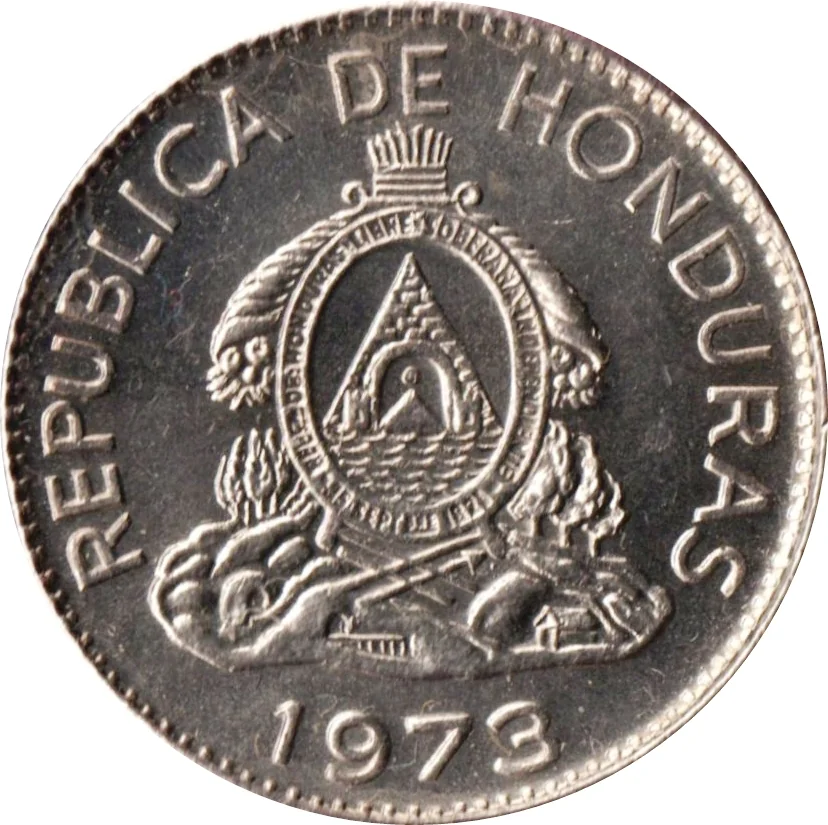
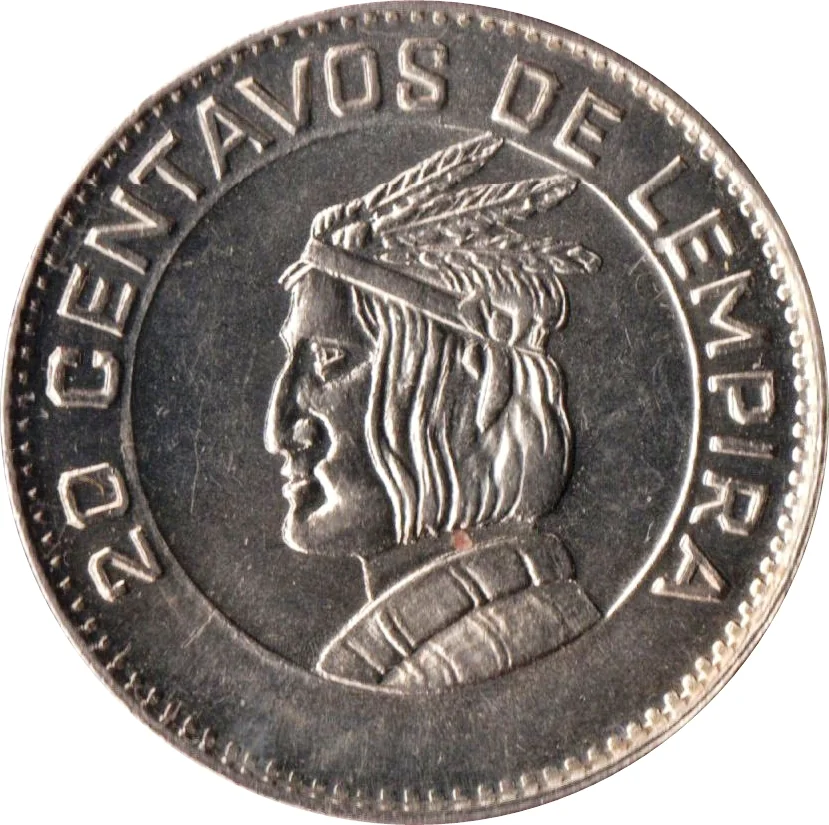
20 centavos – Honduras
Add to wishlist
Honduras
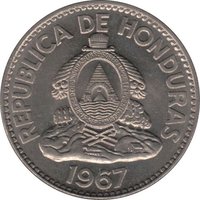
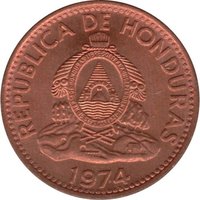
Obverse
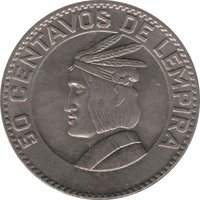
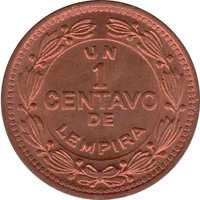
Reverse
Edge
Milled
Categories
| Symbols> Coat of Arms |
Mints
| Name | Mark |
|---|---|
| Royal Canadian Mint of Ottawa | — |
Mintings
| Year | Mint Mark | Mintage | Quality | Collection |
|---|---|---|---|---|
| 1973 | — | 15,000,000 |
Historical background
In 1973, Honduras operated under a fixed exchange rate system, with its currency, the lempira, pegged to the United States dollar at a rate of 2 lempiras = 1 USD. This peg had been established in 1926 and was maintained with relative stability, supported by conservative fiscal management and the country's traditional agricultural exports, primarily bananas, coffee, and timber. The Honduran economy was closely tied to the U.S., both as its dominant trading partner and source of foreign investment, which reinforced the dollar's anchoring role. However, the economy was structurally limited, with a significant portion of the population engaged in subsistence farming and a growing urban informal sector.
The year 1973 presented both challenges and a significant economic shock. In the preceding years, Honduras had engaged in a brief but costly "Soccer War" with El Salvador in 1969, which disrupted trade within the Central American Common Market and created lingering fiscal pressures. The major event of 1973, however, was the global oil crisis following the OPEC embargo. As a net importer of petroleum, Honduras faced a sudden and severe deterioration in its terms of trade, with the cost of essential imports soaring. This put immediate pressure on foreign exchange reserves, which were needed to defend the fixed peg.
Despite these pressures, the lempira's peg to the dollar remained officially unchanged throughout 1973. The government, under President Oswaldo López Arellano, absorbed the shock through a combination of drawing on reserves and seeking external financing. The long-term structural weaknesses exposed by the crisis, however, sowed the seeds for future instability. Within a few years, declining reserves and mounting debt would lead Honduras to formally devalue the lempira in 1975, breaking the decades-old peg and marking the end of an era of exchange rate stability, with the 1973 oil crisis acting as a critical catalyst.
The year 1973 presented both challenges and a significant economic shock. In the preceding years, Honduras had engaged in a brief but costly "Soccer War" with El Salvador in 1969, which disrupted trade within the Central American Common Market and created lingering fiscal pressures. The major event of 1973, however, was the global oil crisis following the OPEC embargo. As a net importer of petroleum, Honduras faced a sudden and severe deterioration in its terms of trade, with the cost of essential imports soaring. This put immediate pressure on foreign exchange reserves, which were needed to defend the fixed peg.
Despite these pressures, the lempira's peg to the dollar remained officially unchanged throughout 1973. The government, under President Oswaldo López Arellano, absorbed the shock through a combination of drawing on reserves and seeking external financing. The long-term structural weaknesses exposed by the crisis, however, sowed the seeds for future instability. Within a few years, declining reserves and mounting debt would lead Honduras to formally devalue the lempira in 1975, breaking the decades-old peg and marking the end of an era of exchange rate stability, with the 1973 oil crisis acting as a critical catalyst.
🌱 Common