

5 meticais – Mozambique
Add to wishlist
Mozambique
Context
Material
References
KM: #
Numista: #6970
Value
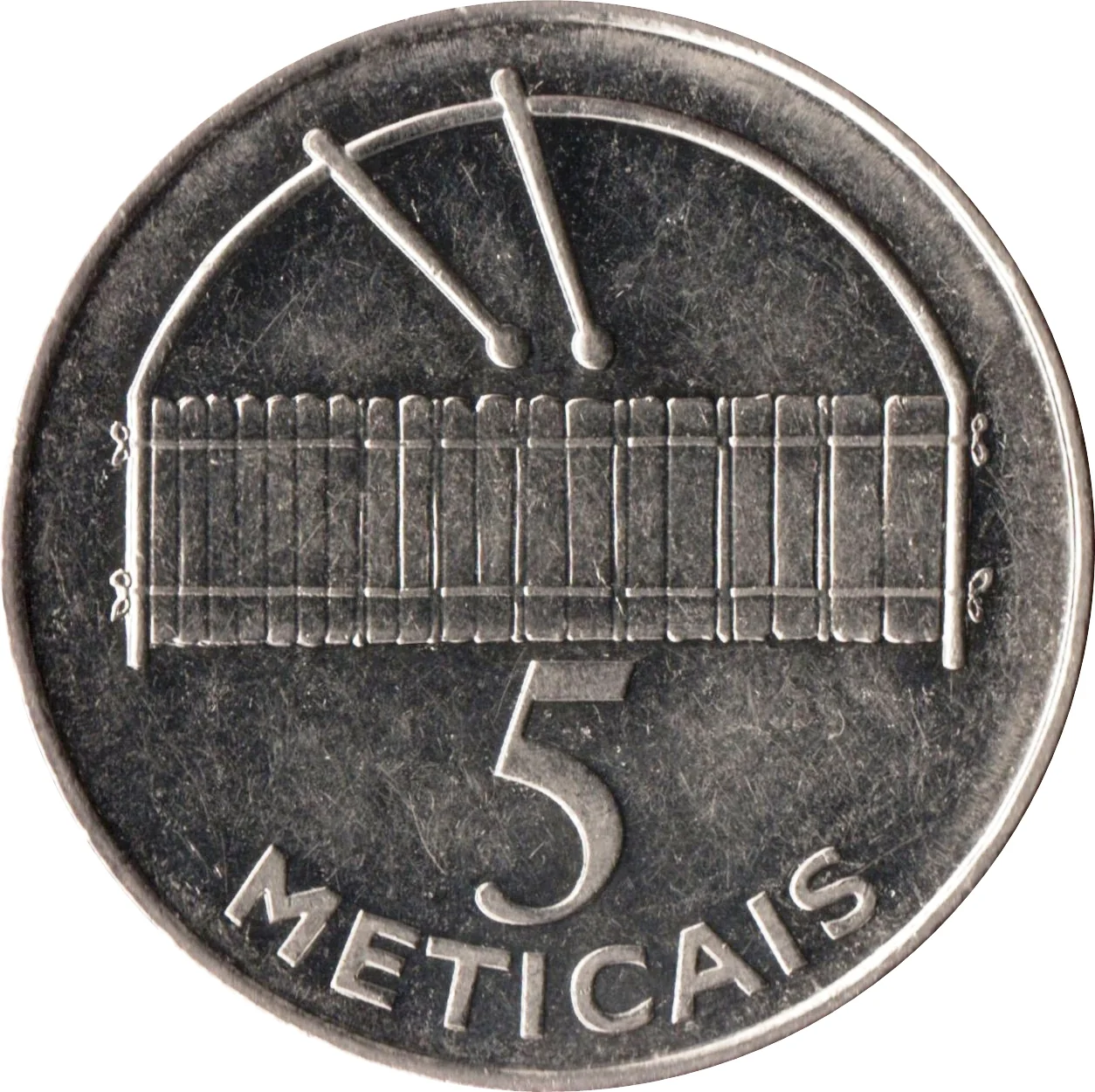
Exchange value: 5 MZN
Obverse
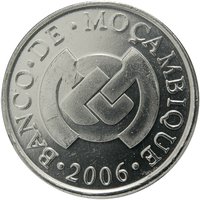
Description:
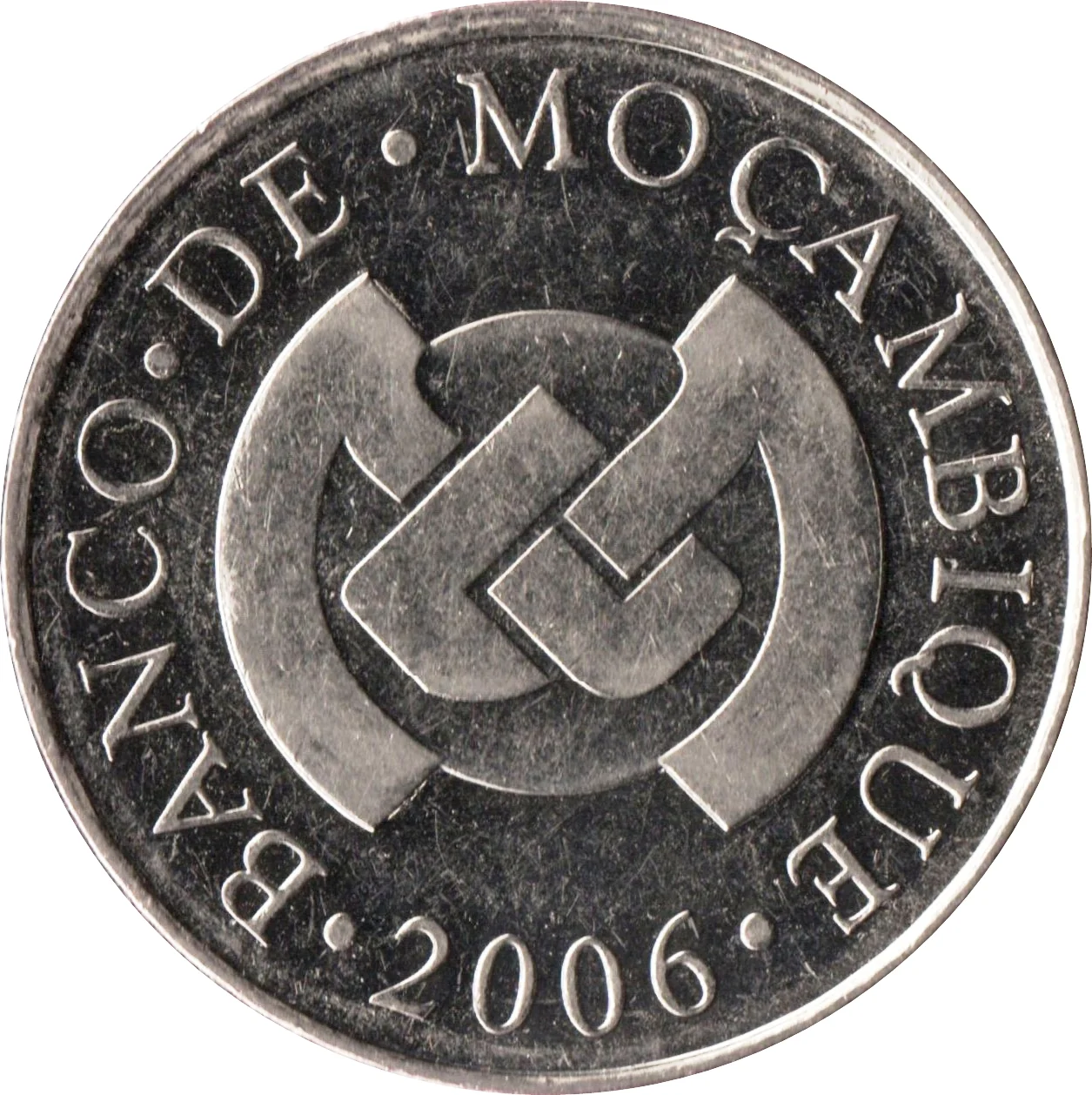
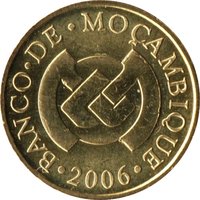
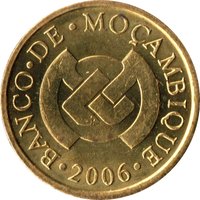
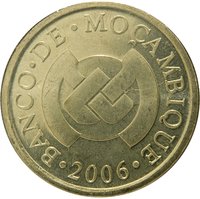
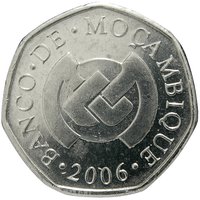
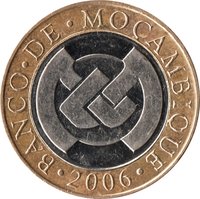
Bank logo with date beneath.
Inscription:
·BANCO·DE·MOÇAMBIQUE·
2006
2006
Translation:
Bank of Mozambique
2006
2006
Script: Latin
Language: Portuguese
Reverse
Edge
Reeded
Mintings
| Year | Mint Mark | Mintage | Quality | Collection |
|---|---|---|---|---|
| 2006 | — | — | ||
| 2012 | — | — | ||
| 2021 | — | — |
Historical background
In 2006, Mozambique's currency, the metical (MZN), was in a period of notable stability and strength, a significant achievement following a history of high inflation and devaluation. This stability was largely attributed to a decade of prudent fiscal and monetary policies under the guidance of the International Monetary Fund (IMF) and World Bank programs. Sound macroeconomic management, including tight control of money supply and government spending, coupled with substantial foreign aid and debt relief under the Heavily Indebted Poor Countries (HIPC) Initiative, had built strong international reserves. These reserves allowed the Bank of Mozambique to effectively manage the exchange rate, which was pegged to a basket of currencies.
The economic context was one of robust growth, with GDP expanding at an average of 8% annually, driven by foreign direct investment in mega-projects like the Mozal aluminum smelter and the emerging natural gas sector. This investment inflow created demand for the metical and helped support its value. Inflation, which had plagued the country in the past, was brought down to single digits, averaging around 10.3% for the year, further bolstering confidence in the currency. The stable metical facilitated business planning and was a key indicator of the country's post-civil war economic recovery.
However, this stability was not without underlying pressures. The economy remained vulnerable to external shocks and was highly dependent on a few large export commodities. Furthermore, the benefits of growth and currency stability were not evenly distributed, with a significant portion of the population still living in poverty and the formal financial sector being inaccessible to many. While 2006 represented a high point for monetary stability, it also highlighted the ongoing challenge of translating macroeconomic gains into broad-based development for the Mozambican people.
The economic context was one of robust growth, with GDP expanding at an average of 8% annually, driven by foreign direct investment in mega-projects like the Mozal aluminum smelter and the emerging natural gas sector. This investment inflow created demand for the metical and helped support its value. Inflation, which had plagued the country in the past, was brought down to single digits, averaging around 10.3% for the year, further bolstering confidence in the currency. The stable metical facilitated business planning and was a key indicator of the country's post-civil war economic recovery.
However, this stability was not without underlying pressures. The economy remained vulnerable to external shocks and was highly dependent on a few large export commodities. Furthermore, the benefits of growth and currency stability were not evenly distributed, with a significant portion of the population still living in poverty and the formal financial sector being inaccessible to many. While 2006 represented a high point for monetary stability, it also highlighted the ongoing challenge of translating macroeconomic gains into broad-based development for the Mozambican people.
🌱 Very Common