

1 Pound – Isle of Man
Context
Years: 1978–1982
Country: British Crown dependencies
Issuer: Isle of Man 
Ruler: Elizabeth II
Currency:
(since 1971)
Total mintage: 277,000
Material
References
KM: #Click to copy to clipboard44
Numista: #6873
Value
Exchange value: 1 IMP
Obverse
Description:
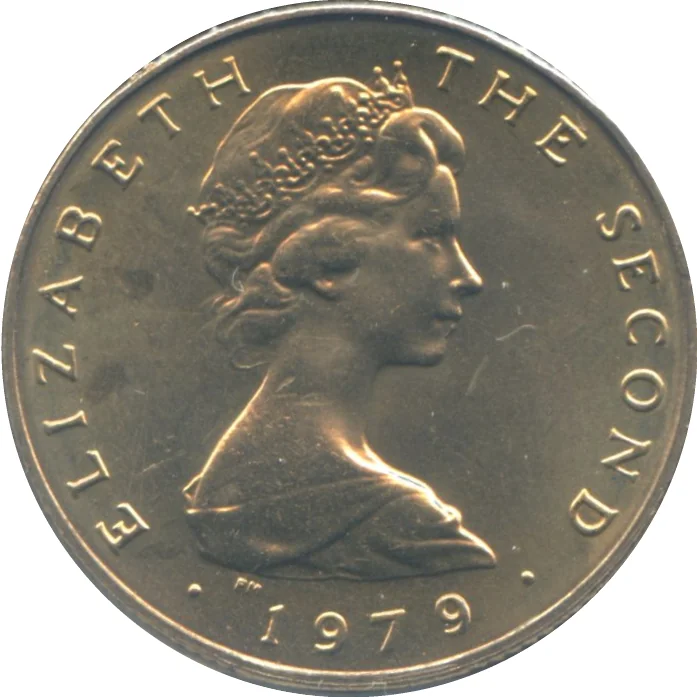
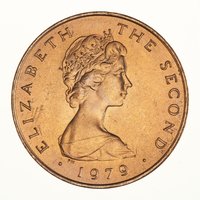
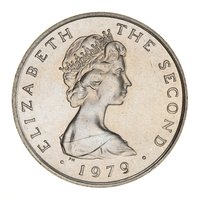
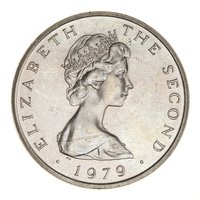
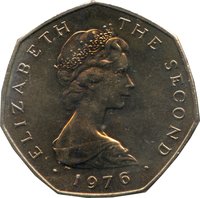
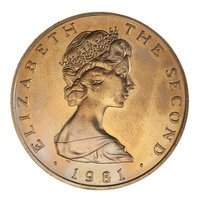
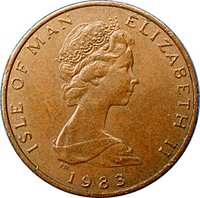
Queen Elizabeth II facing right, wearing the Girls of Great Britain and Ireland Tiara, with legend surrounding and date beneath.
Inscription:
ELIZABETH THE SECOND
PM
· 1979 ·
PM
· 1979 ·
Translation:
ELIZABETH THE SECOND
PM
· 1979 ·
PM
· 1979 ·
Script: Latin
Language: English
Engraver: Arnold Machin
Reverse
Description:
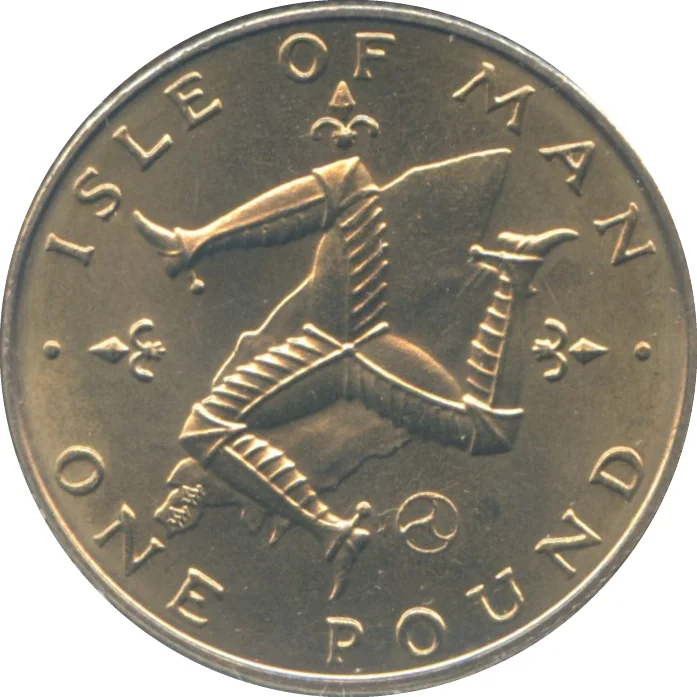
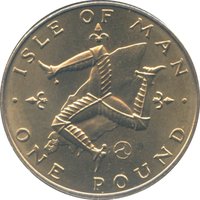
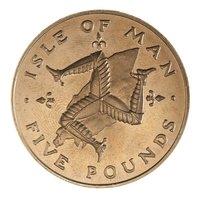
Triskeles emblem on a map of the Isle of Man, flanked by fleurs-de-lis with surrounding lettering.
Inscription:
· ISLE OF MAN ·
AA
ONE POUND
AA
ONE POUND
Script: Latin
Edge
Alternating plain and reeded sections (3 each)
Categories
| Symbol> Triskelion |
| Map |
| Symbol> Fleur-de-lis |
Mints
| Name | Mark |
|---|---|
| Pobjoy Mint | (PM) |
Mintings
| Year | Mint Mark | Mintage | Quality | Collection |
|---|---|---|---|---|
| 1978 | PM | — | ||
| 1978 | PM | 150,000 | Proof | |
| 1979 | PM | 1,000 | ||
| 1979 | PM | — | Proof | |
| 1980 | PM | — | ||
| 1980 | PM | 100,000 | Proof | |
| 1981 | PM | — | ||
| 1981 | PM | 26,000 | Proof | |
| 1982 | PM | — | Proof | |
| 1982 | PM | — |
Historical background
In 1978, the Isle of Man's currency situation was defined by its unique constitutional position as a British Crown Dependency, which granted it a significant degree of autonomy in domestic affairs, including the issue of its own money. While the UK pound sterling (£) remained the principal currency and legal tender on the island, the Isle of Man Government, through its Treasury, had issued its own distinctive banknotes and coins since the 1960s. These Manx pounds were pegged at par with sterling, meaning £1 Manx was equal to £1 UK, and were backed by reserves held in UK government securities.
However, this parity created a practical complexity: while Manx notes and coins were legal tender on the island, they were not automatically accepted in the United Kingdom. Conversely, UK sterling was universally accepted in the Isle of Man. This often led to confusion for visitors and necessitated that Manx residents and businesses exchanging money on the UK mainland frequently had to convert their local notes into Bank of England issues. The Manx currency served as a potent symbol of national identity and self-government, but its economic reality was one of a dependent currency union.
The year 1978 fell within a period of stability for this arrangement, following the 1971 decimalisation which the Isle of Man had adopted in line with the UK. There were no major currency crises or reforms specific to the island that year; the system functioned on established precedent. The key background, therefore, is one of a stable but asymmetric relationship, where the Isle of Man maintained its own currency as a matter of prerogative, while its economy remained fundamentally integrated within the sterling monetary area.
However, this parity created a practical complexity: while Manx notes and coins were legal tender on the island, they were not automatically accepted in the United Kingdom. Conversely, UK sterling was universally accepted in the Isle of Man. This often led to confusion for visitors and necessitated that Manx residents and businesses exchanging money on the UK mainland frequently had to convert their local notes into Bank of England issues. The Manx currency served as a potent symbol of national identity and self-government, but its economic reality was one of a dependent currency union.
The year 1978 fell within a period of stability for this arrangement, following the 1971 decimalisation which the Isle of Man had adopted in line with the UK. There were no major currency crises or reforms specific to the island that year; the system functioned on established precedent. The key background, therefore, is one of a stable but asymmetric relationship, where the Isle of Man maintained its own currency as a matter of prerogative, while its economy remained fundamentally integrated within the sterling monetary area.
Series: IOM map series
🌱 Common