

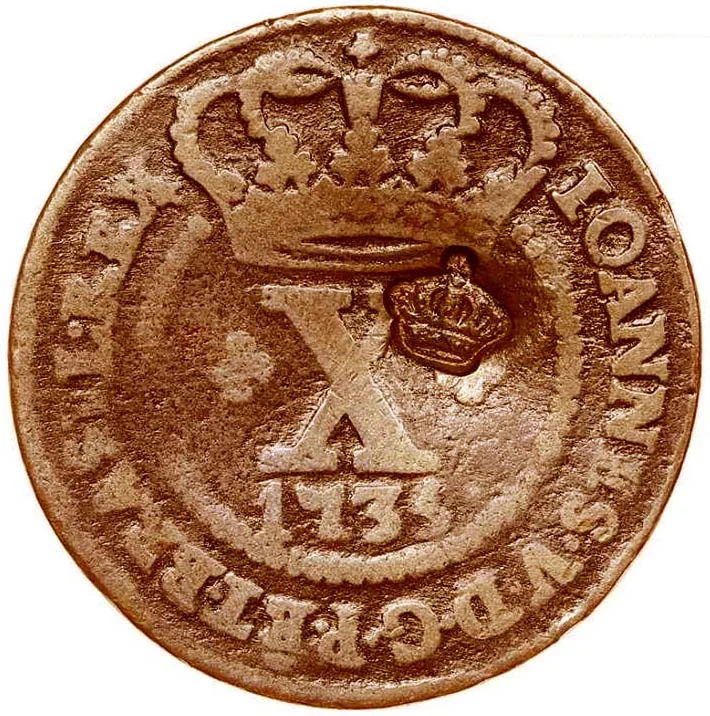
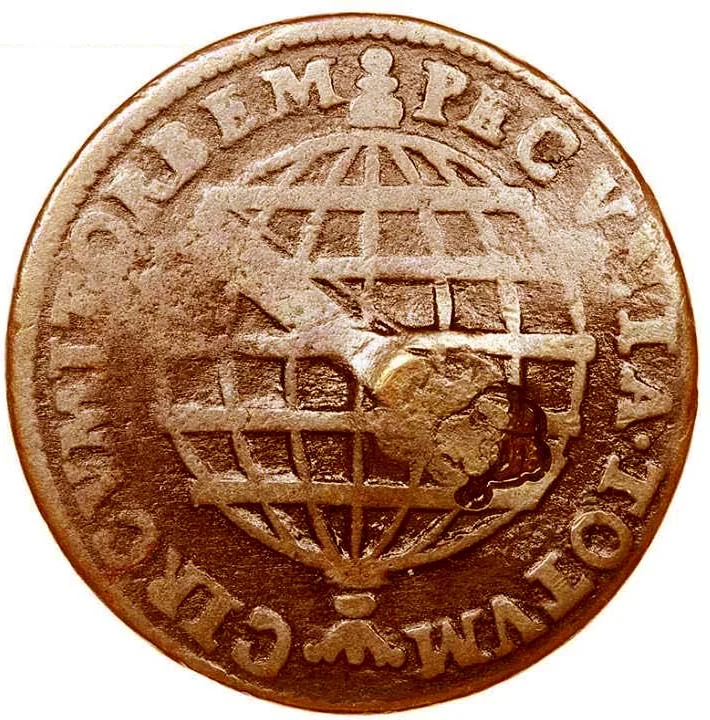
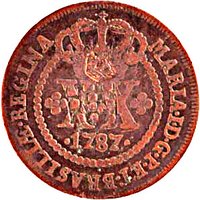
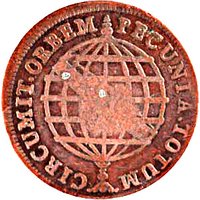
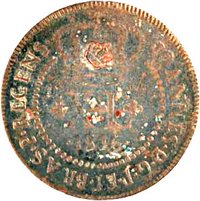
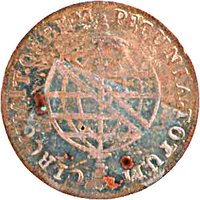
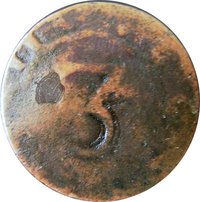
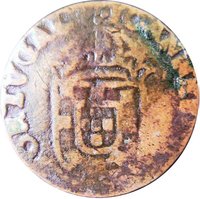
10 réis – São Tomé and Príncipe
Add to wishlist
Sao Tome and Principe
Context
Year: 1854
Country: Sao Tome and Principe
Issuer: São Tomé and Príncipe
Ruler: Pedro V
Currency:
(since 1854)
Demonetized: Yes
Material
References
Numista: #103593
Mintings
| Year | Mint Mark | Mintage | Quality | Collection |
|---|---|---|---|---|
| 1854 | — | — |
Historical background
In 1854, São Tomé and Príncipe, a Portuguese colony in the Gulf of Guinea, operated under a complex and often chaotic currency system typical of the era. The official currency was the Portuguese real, but in practice, the economy relied on a diverse mix of physical mediums. These included low-value copper réis coins from Portugal, larger silver coins like the pataca (also known as the Mexican silver dollar or peso), and even commodity money, most notably cocoa beans, which were the islands' primary agricultural export. This multiplicity created significant challenges for trade and accounting, as values constantly fluctuated.
The root of this monetary fragmentation lay in the colony's economic purpose as a plantation economy, heavily dependent on enslaved and, following 1853, "contracted" labour from other parts of Africa. Large-scale cocoa and coffee production for export generated a need for a reliable currency to pay for imports and facilitate larger transactions, which commodity money could not efficiently satisfy. However, Portugal itself often failed to supply sufficient quantities of official coinage to its distant colony, creating a chronic shortage of small change for daily transactions among the local population.
Consequently, 1854 fell within a prolonged period of monetary instability that would persist for decades. The coexistence of official Portuguese currency, foreign silver coins of various origins, and traditional commodity money reflected the islands' position at the crossroads of Atlantic trade networks and the inadequacy of colonial administration. This unsatisfactory situation would eventually lead to the formal adoption of the Portuguese mil réis as the sole official currency later in the century, though the practical challenges of supply and exchange persisted.
The root of this monetary fragmentation lay in the colony's economic purpose as a plantation economy, heavily dependent on enslaved and, following 1853, "contracted" labour from other parts of Africa. Large-scale cocoa and coffee production for export generated a need for a reliable currency to pay for imports and facilitate larger transactions, which commodity money could not efficiently satisfy. However, Portugal itself often failed to supply sufficient quantities of official coinage to its distant colony, creating a chronic shortage of small change for daily transactions among the local population.
Consequently, 1854 fell within a prolonged period of monetary instability that would persist for decades. The coexistence of official Portuguese currency, foreign silver coins of various origins, and traditional commodity money reflected the islands' position at the crossroads of Atlantic trade networks and the inadequacy of colonial administration. This unsatisfactory situation would eventually lead to the formal adoption of the Portuguese mil réis as the sole official currency later in the century, though the practical challenges of supply and exchange persisted.
✨ Legendary