

10 rupees – Sri Lanka
Add to wishlist
Sri Lanka
Context
Material
Diameter: 26.4 mm
Weight: 8.36 g
Thickness: 2.1 mm
Shape: Hendecagonal
Composition: Stainless steel (100% I)
Technique: Milled
Alignment: Medal alignment
flip
References
KM: #
Numista: #68655
Value
Exchange value: 10 LKR
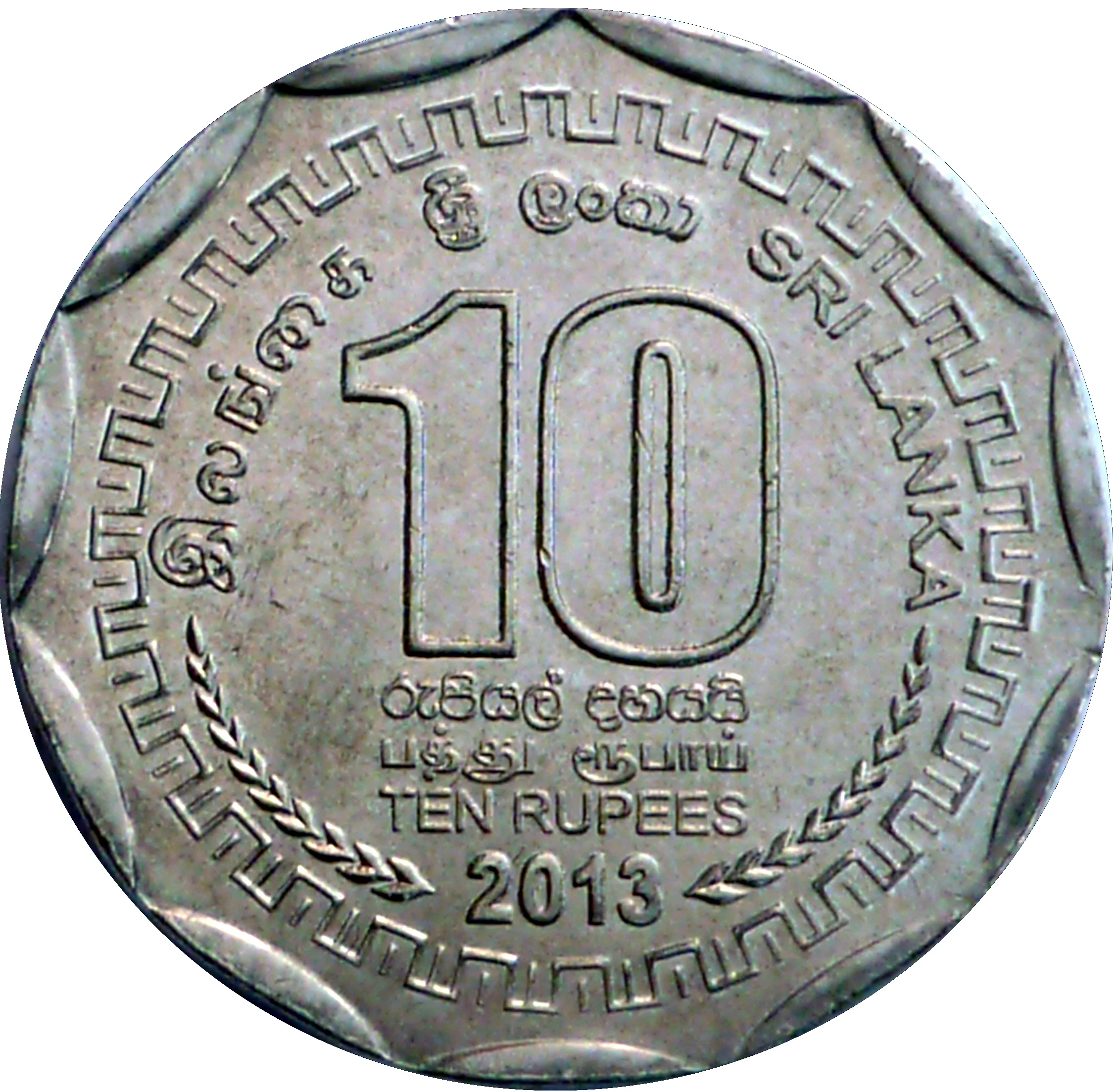
Obverse
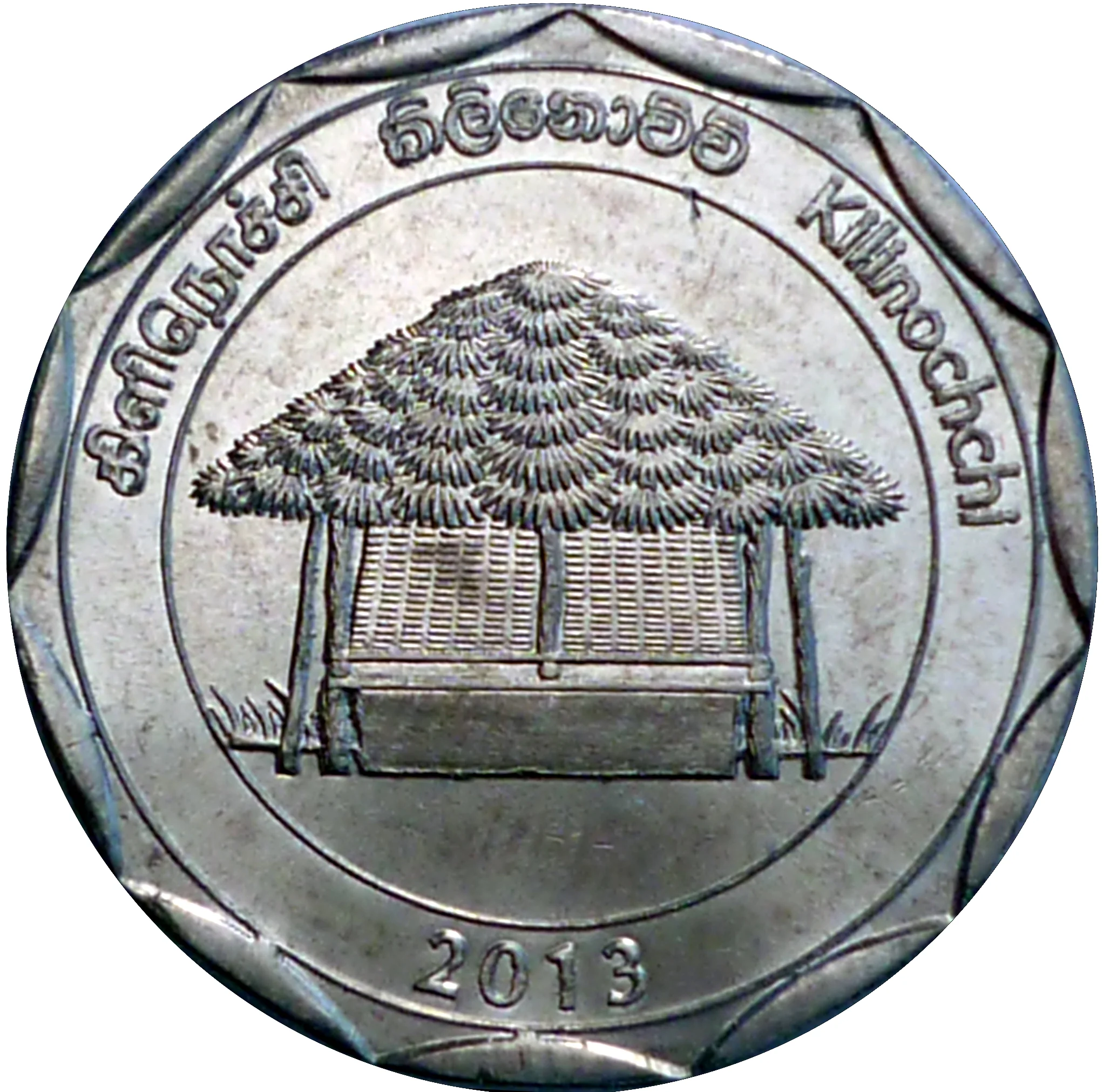
Reverse
Description:
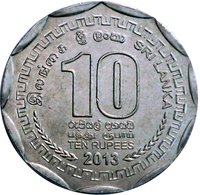
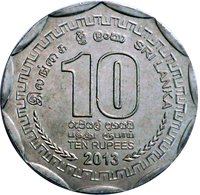
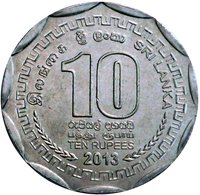
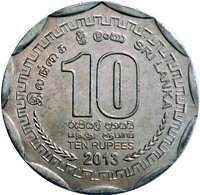
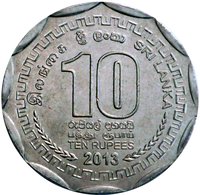
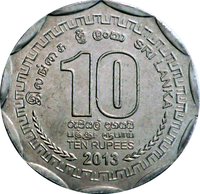
Large central numeral with scripts below. Year at bottom between paddy ears. Country name in scripts above. All within a geometric circular border with a partly raised rim.
Inscription:
இலங்கை ශ්රී ලංකා SRI LANKA
10
රුපියල් දහයයි
பத்து ரூபாய்
TEN RUPEES
2013
10
රුපියල් දහයයි
பத்து ரூபாய்
TEN RUPEES
2013
Translation:
TEN RUPEES
Edge
Plain
Mints
| Name | Mark |
|---|---|
| Kremnica | — |
Mintings
| Year | Mint Mark | Mintage | Quality | Collection |
|---|---|---|---|---|
| 2013 | — | 2,000,000 |
Historical background
In 2013, Sri Lanka's currency situation was characterized by managed stability under significant pressure, marking a period of relative calm before emerging vulnerabilities would later intensify. Following a major devaluation of the Sri Lankan Rupee (LKR) in late 2011 and again in 2012 to address a balance of payments crisis, the Central Bank of Sri Lanka (CBSL) intervened heavily throughout 2013 to maintain a loosely pegged exchange rate around Rs. 130-131 per US dollar. This stability was achieved through the use of foreign exchange reserves, which declined steadily as the CBSL sold dollars to prop up the rupee, and through administrative measures aimed at curbing imports and encouraging remittances.
Underlying this managed stability were persistent economic strains. The trade deficit remained wide, driven by high import bills for fuel, consumer goods, and investment projects, while export growth, primarily in textiles and tea, was modest. Although worker remittances and some foreign borrowing provided inflows, the cost of defending the currency was high. The CBSL's interventions led to a depletion of reserves, which fell to levels that could cover only about 4-5 months of imports by year-end, raising concerns among international observers about external sustainability.
Consequently, 2013 represented a fragile equilibrium. The government and central bank prioritized short-term exchange rate stability to control inflation and maintain confidence, but this policy came at the expense of dwindling buffers and suppressed market pressures. The situation highlighted a growing tension between a fixed exchange rate regime and the fundamentals of the economy, setting the stage for the more severe balance of payments challenges that would resurface in the following years as external debts mounted and reserve positions became increasingly precarious.
Underlying this managed stability were persistent economic strains. The trade deficit remained wide, driven by high import bills for fuel, consumer goods, and investment projects, while export growth, primarily in textiles and tea, was modest. Although worker remittances and some foreign borrowing provided inflows, the cost of defending the currency was high. The CBSL's interventions led to a depletion of reserves, which fell to levels that could cover only about 4-5 months of imports by year-end, raising concerns among international observers about external sustainability.
Consequently, 2013 represented a fragile equilibrium. The government and central bank prioritized short-term exchange rate stability to control inflation and maintain confidence, but this policy came at the expense of dwindling buffers and suppressed market pressures. The situation highlighted a growing tension between a fixed exchange rate regime and the fundamentals of the economy, setting the stage for the more severe balance of payments challenges that would resurface in the following years as external debts mounted and reserve positions became increasingly precarious.
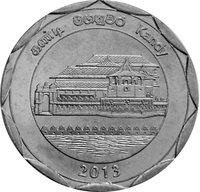
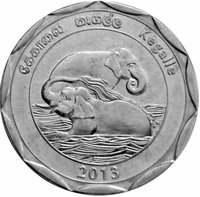
Series: Districts Series
🌱 Fairly Common