

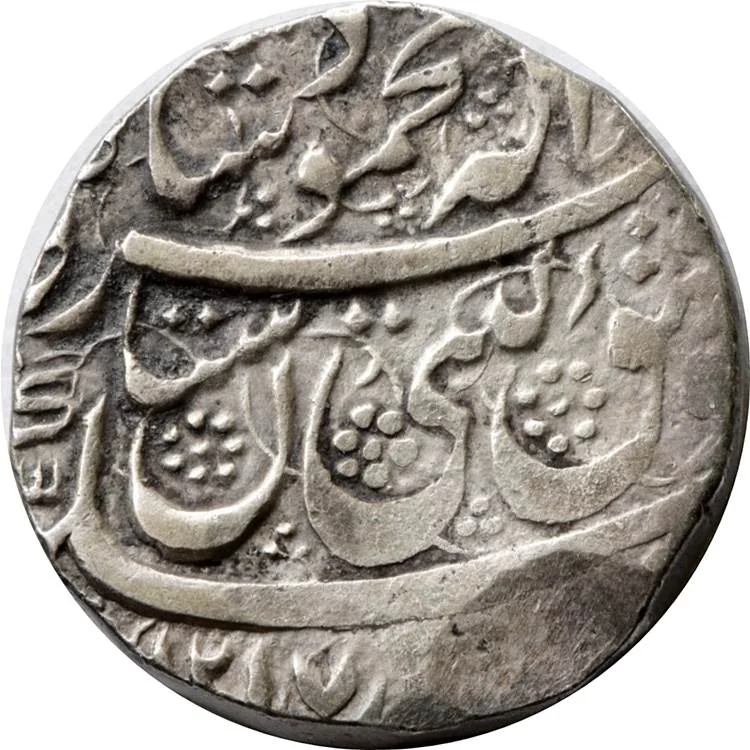
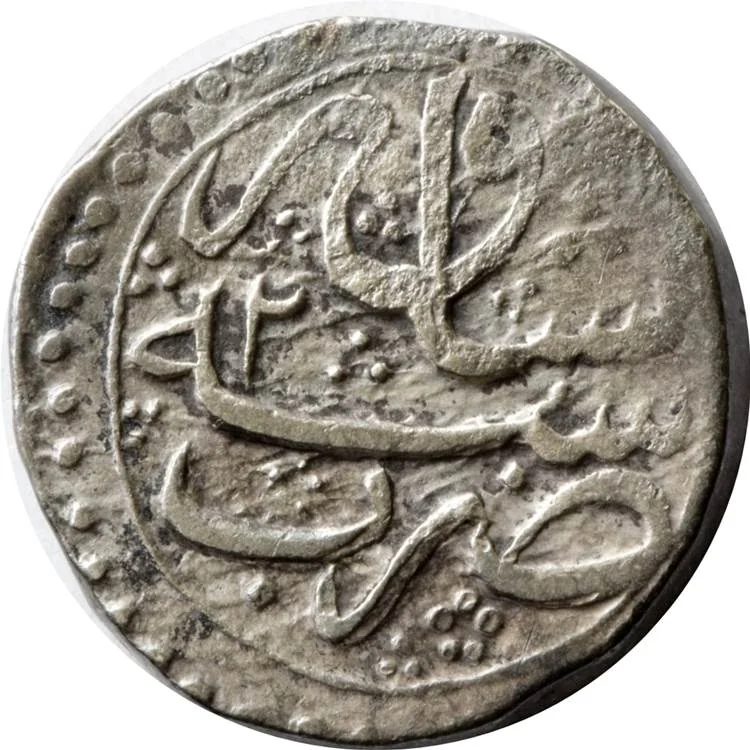
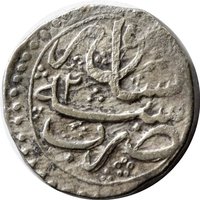
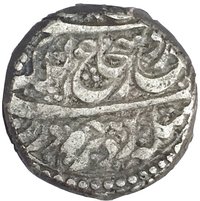
1 Rupee – Afghanistan
Afghanistan
Context
Material
Diameter: 22 mm
Weight: 11.35 g
Silver weight: 11.35 g
Shape: Irregular round
Composition: Silver
Magnetic: No
Alignment: Coin alignment
flip
References
KM: #Click to copy to clipboard719
Numista: #68188
Value
Bullion value: $32.23
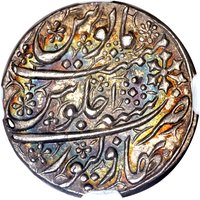
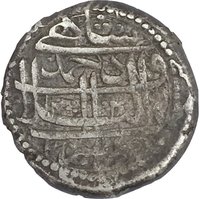
Obverse
Reverse
Edge
Plain
Mints
| Name | Mark |
|---|---|
| Peshawar | — |
Mintings
| Year | Mint Mark | Mintage | Quality | Collection |
|---|---|---|---|---|
| 1803 | — | — | ||
| 1804 | — | — |
Historical background
In 1803, the currency situation in Afghanistan was characterized by fragmentation and instability, reflecting the decentralized and volatile political landscape of the Durrani Empire. Following the death of Ahmad Shah Durrani in 1772, the empire had entered a period of protracted civil war among his descendants. By 1803, Shah Mahmud Durrani held power in Kabul, but his control was contested and regional rulers, including various Barakzai and other tribal chiefs, exercised significant autonomy. This political disunity meant there was no single, authoritative monetary system across the realm.
The circulating currency was a mixture of existing and newly minted coins. The primary unit was the silver rupee, but its weight, purity, and design varied depending on the mint city—such as Kabul, Kandahar, or Peshawar—and the ruler who issued it. These coins often bore the name of the current Shah but were debased in times of fiscal stress. Alongside these, older rupees from the reigns of Ahmad Shah and Timur Shah remained in circulation, as did a plethora of foreign coins, particularly the Persian toman and kran, and Mughal rupees from India. This created a complex environment for trade, requiring money-changers to constantly assess the intrinsic silver value of each coin.
This monetary fragmentation directly hampered the economy and state authority. The lack of a uniform currency complicated long-distance trade and tax collection, as revenues had to be constantly assayed and converted. The debasement of coinage to fund military campaigns further eroded public trust and contributed to inflation, particularly in urban centers. Ultimately, the currency situation in 1803 was a symptom of a crumbling empire, where economic control had slipped from the center to regional powers, setting the stage for the rise of the Barakzai dynasty and the eventual creation of a more unified monetary system under Dost Mohammad Khan later in the century.
The circulating currency was a mixture of existing and newly minted coins. The primary unit was the silver rupee, but its weight, purity, and design varied depending on the mint city—such as Kabul, Kandahar, or Peshawar—and the ruler who issued it. These coins often bore the name of the current Shah but were debased in times of fiscal stress. Alongside these, older rupees from the reigns of Ahmad Shah and Timur Shah remained in circulation, as did a plethora of foreign coins, particularly the Persian toman and kran, and Mughal rupees from India. This created a complex environment for trade, requiring money-changers to constantly assess the intrinsic silver value of each coin.
This monetary fragmentation directly hampered the economy and state authority. The lack of a uniform currency complicated long-distance trade and tax collection, as revenues had to be constantly assayed and converted. The debasement of coinage to fund military campaigns further eroded public trust and contributed to inflation, particularly in urban centers. Ultimately, the currency situation in 1803 was a symptom of a crumbling empire, where economic control had slipped from the center to regional powers, setting the stage for the rise of the Barakzai dynasty and the eventual creation of a more unified monetary system under Dost Mohammad Khan later in the century.
💎 Extremely Rare