

400 réis – Brazil
Add to wishlist
Brazil
Context
Years: 1918–1935
Issuer: Brazil
Period:
(1889—1967)
Currency:
(1799—1942)
Demonetized: Yes
Total mintage: 13,774,250
Material
Diameter: 30 mm
Weight: 12 g
Thickness: 2.1 mm
Shape: Round
Composition: Copper-nickel
Technique: Milled
Alignment: Coin alignment
flip
References
KM: #
Numista: #6775
Obverse
Description:
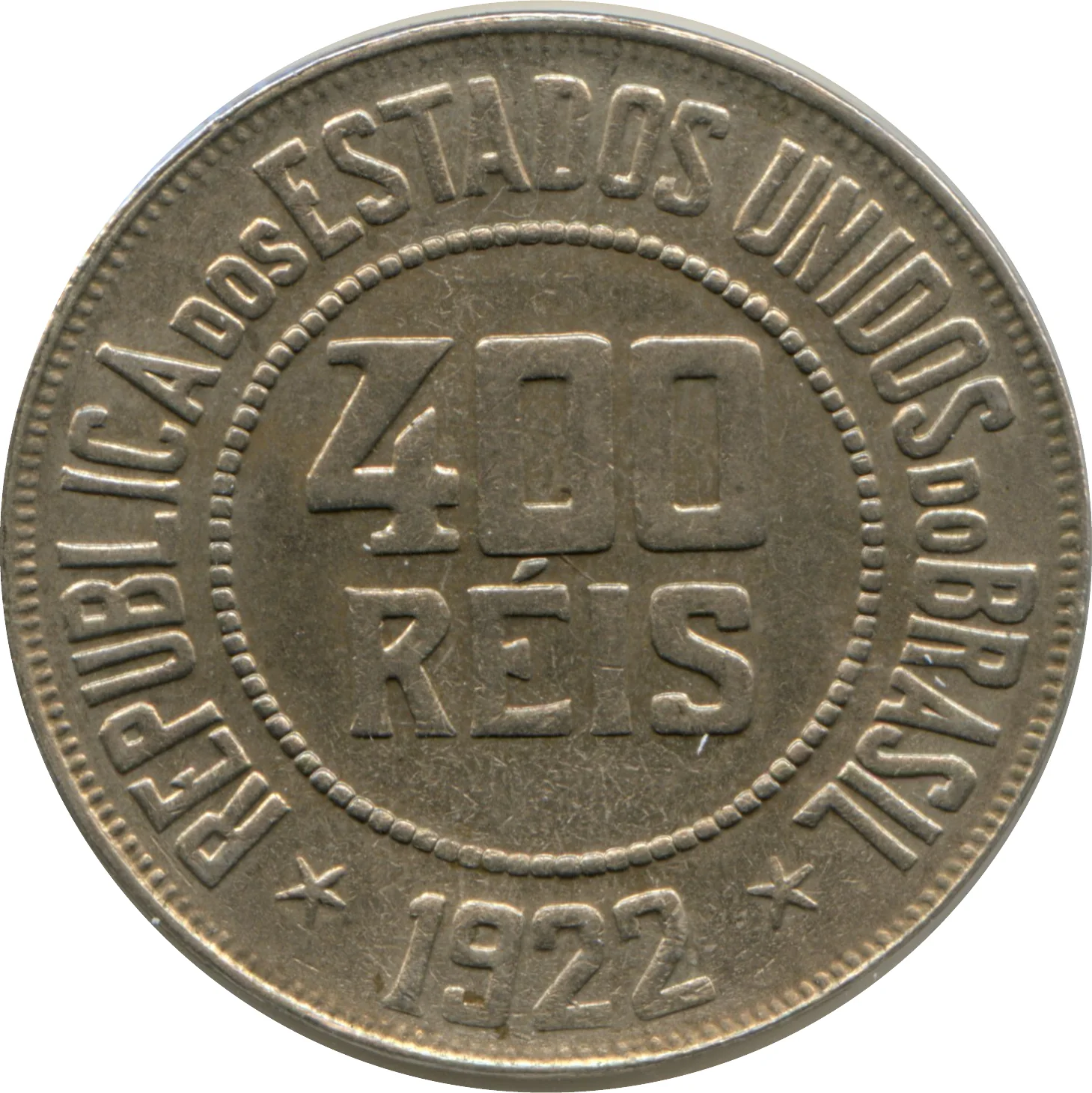
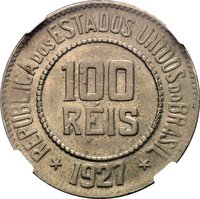
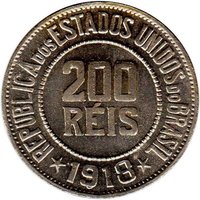
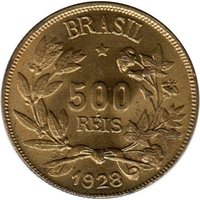
Denomination inside, date below.
Inscription:
REPUBLICA DOS ESTADOS UNIDOS DO BRASIL
400
RÉIS
* 1922 *
400
RÉIS
* 1922 *
Translation:
REPUBLIC OF THE UNITED STATES OF BRAZIL
400
REIS
* 1922 *
400
REIS
* 1922 *
Script: Latin
Language: Portuguese
Reverse
Description:
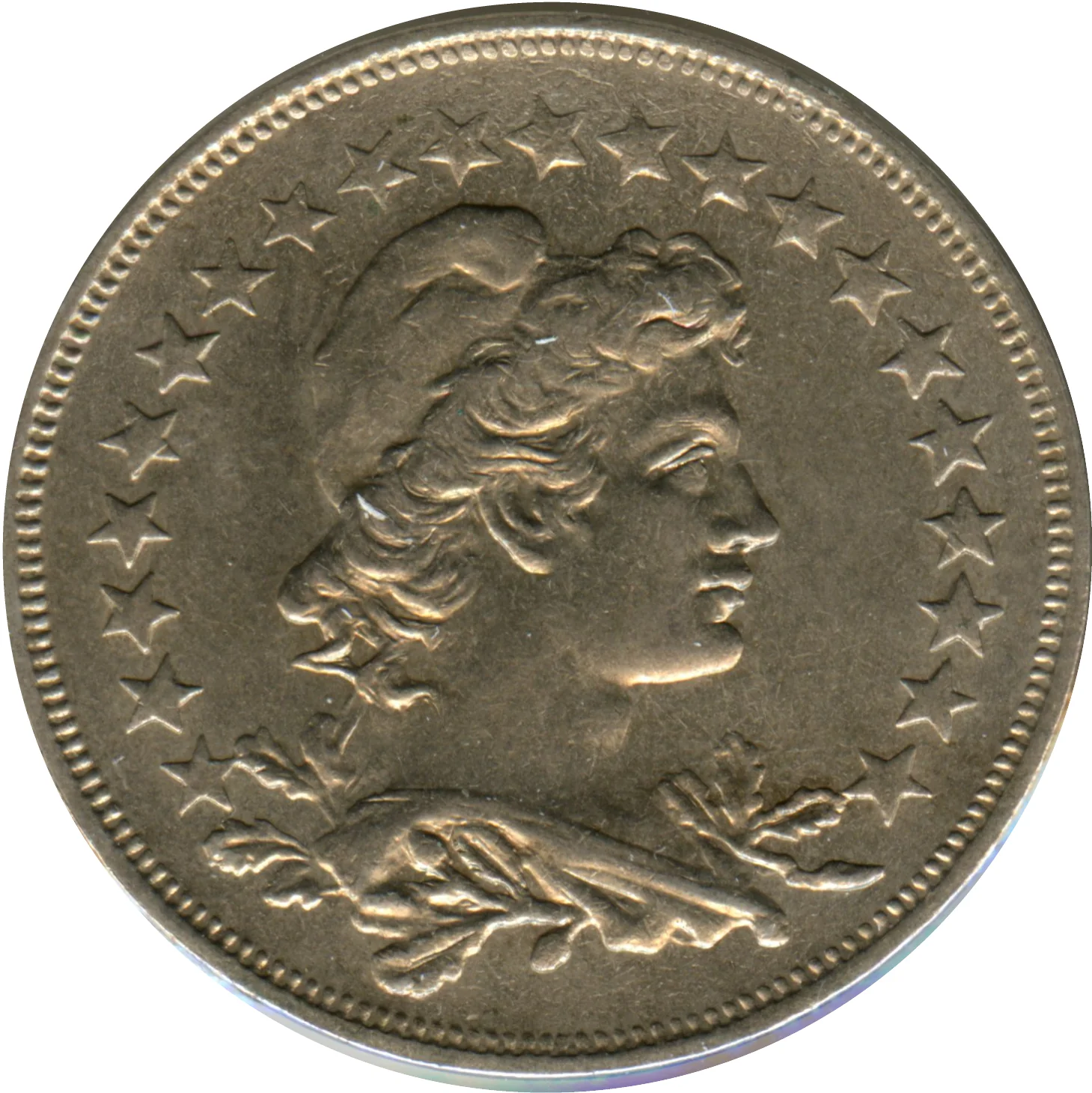
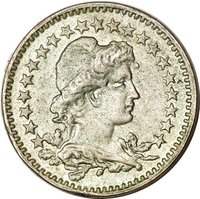
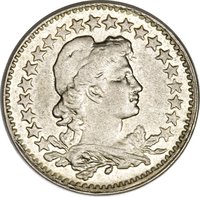
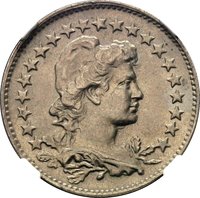
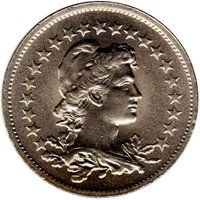
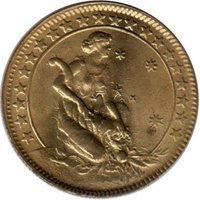
Allegory of The Republic framed by twenty-one stars for Brazil's states.
Edge
Plain
Categories
| Symbol> Allegory |
| Symbol> Phrygian cap |
Mints
| Name | Mark |
|---|---|
| Casa da Moeda do Brasil | — |
Mintings
| Year | Mint Mark | Mintage | Quality | Collection |
|---|---|---|---|---|
| 1918 | — | 491,250 | ||
| 1919 | — | 891,000 | ||
| 1920 | — | 1,521,000 | ||
| 1921 | — | 870,750 | ||
| 1922 | — | 1,275,000 | ||
| 1923 | — | 764,250 | ||
| 1925 | — | 2,047,000 | ||
| 1926 | — | 1,033,500 | ||
| 1927 | — | 738,000 | ||
| 1929 | — | 868,500 | ||
| 1930 | — | 1,031,000 | ||
| 1931 | — | 1,430,500 | ||
| 1932 | — | 587,500 | ||
| 1935 | — | 225,000 |
Historical background
In 1918, Brazil's currency situation was characterized by the enduring legacy of the mil-réis and the strains of the First World War. The country operated on a gold standard, but in practice, the system was fragile and often suspended. The war had severed crucial financial links with Europe, disrupting capital flows, trade finance, and the ability to convert paper currency (papel-moeda) into gold. This led to a significant increase in money supply as the government resorted to issuing more currency to cover fiscal shortfalls, contributing to inflationary pressures that eroded the currency's purchasing power.
The war created a paradoxical trade environment. While demand for Brazilian exports like coffee, rubber, and sugar initially boomed, shipping shortages and European protectionism later caused severe disruptions. The collapse of the Amazon rubber boom was particularly damaging. These volatile conditions led to wide swings in the exchange rate. The value of the mil-réis against sterling and the dollar became highly unstable, driven more by the balance of payments and speculative pressures than by the theoretical gold parity, creating uncertainty for both international commerce and domestic economic planning.
Underlying these immediate wartime pressures were deep-seated structural issues. Public finances were chronically weak, reliant on coffee export taxes and burdened by foreign debt denominated in stronger currencies. The monetary system itself was fragmented, with multiple types of paper money in circulation issued by different authorities. Consequently, 1918 found Brazil in a precarious monetary position, caught between the dislocations of a global conflict and its own unresolved financial vulnerabilities, setting the stage for the inflationary difficulties and monetary reforms that would follow in the 1920s.
The war created a paradoxical trade environment. While demand for Brazilian exports like coffee, rubber, and sugar initially boomed, shipping shortages and European protectionism later caused severe disruptions. The collapse of the Amazon rubber boom was particularly damaging. These volatile conditions led to wide swings in the exchange rate. The value of the mil-réis against sterling and the dollar became highly unstable, driven more by the balance of payments and speculative pressures than by the theoretical gold parity, creating uncertainty for both international commerce and domestic economic planning.
Underlying these immediate wartime pressures were deep-seated structural issues. Public finances were chronically weak, reliant on coffee export taxes and burdened by foreign debt denominated in stronger currencies. The monetary system itself was fragmented, with multiple types of paper money in circulation issued by different authorities. Consequently, 1918 found Brazil in a precarious monetary position, caught between the dislocations of a global conflict and its own unresolved financial vulnerabilities, setting the stage for the inflationary difficulties and monetary reforms that would follow in the 1920s.
Series: 1918 Brazil circulation coins
🌱 Very Common