

1 penny – South Africa
Add to wishlist
South Africa
Context
Years: 1948–1950
Issuer: South Africa
Issuing organization: South African Reserve Bank
Ruler: George VI
Currency:
(1825—1961)
Demonetization: 31 March 1961
Total mintage: 10,924,143
Material
References
KM: #
Numista: #6699
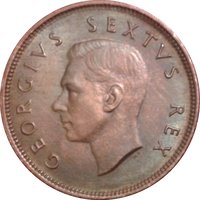
Obverse
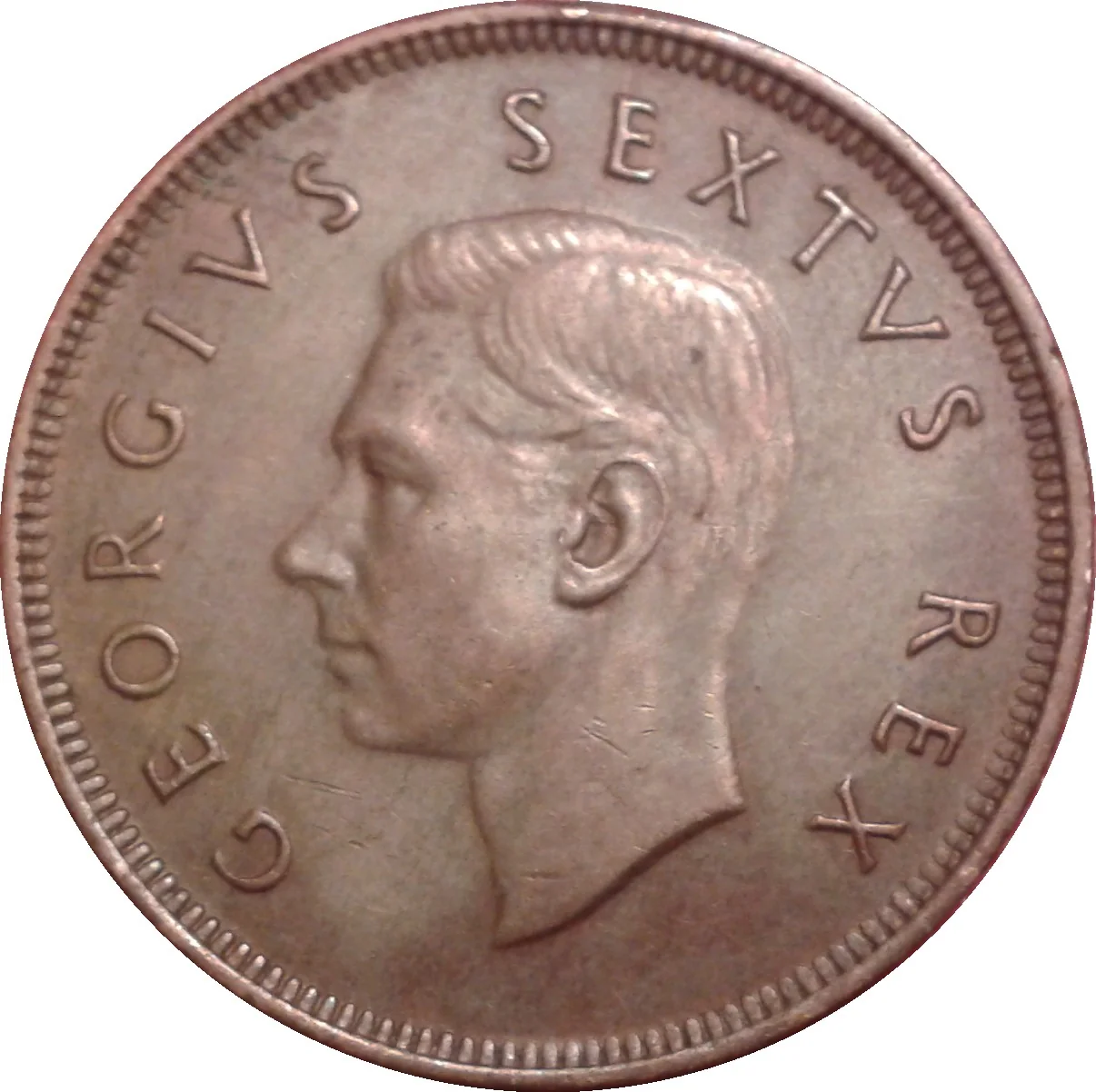
Description:
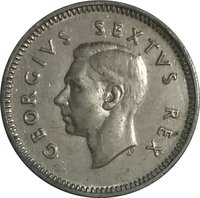
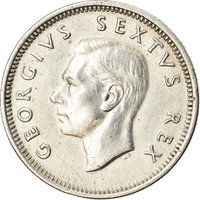
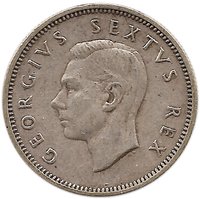
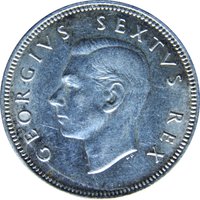
King George VI left-facing portrait, legend encircling, engraver's initials below.
Inscription:
GEORGIVS SEXTVS REX
HP
HP
Translation:
George the Sixth King
HP
HP
Script: Latin
Language: Latin
Engraver: Thomas Humphrey Paget
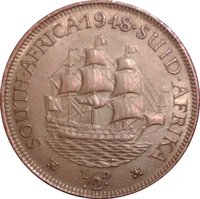
Reverse
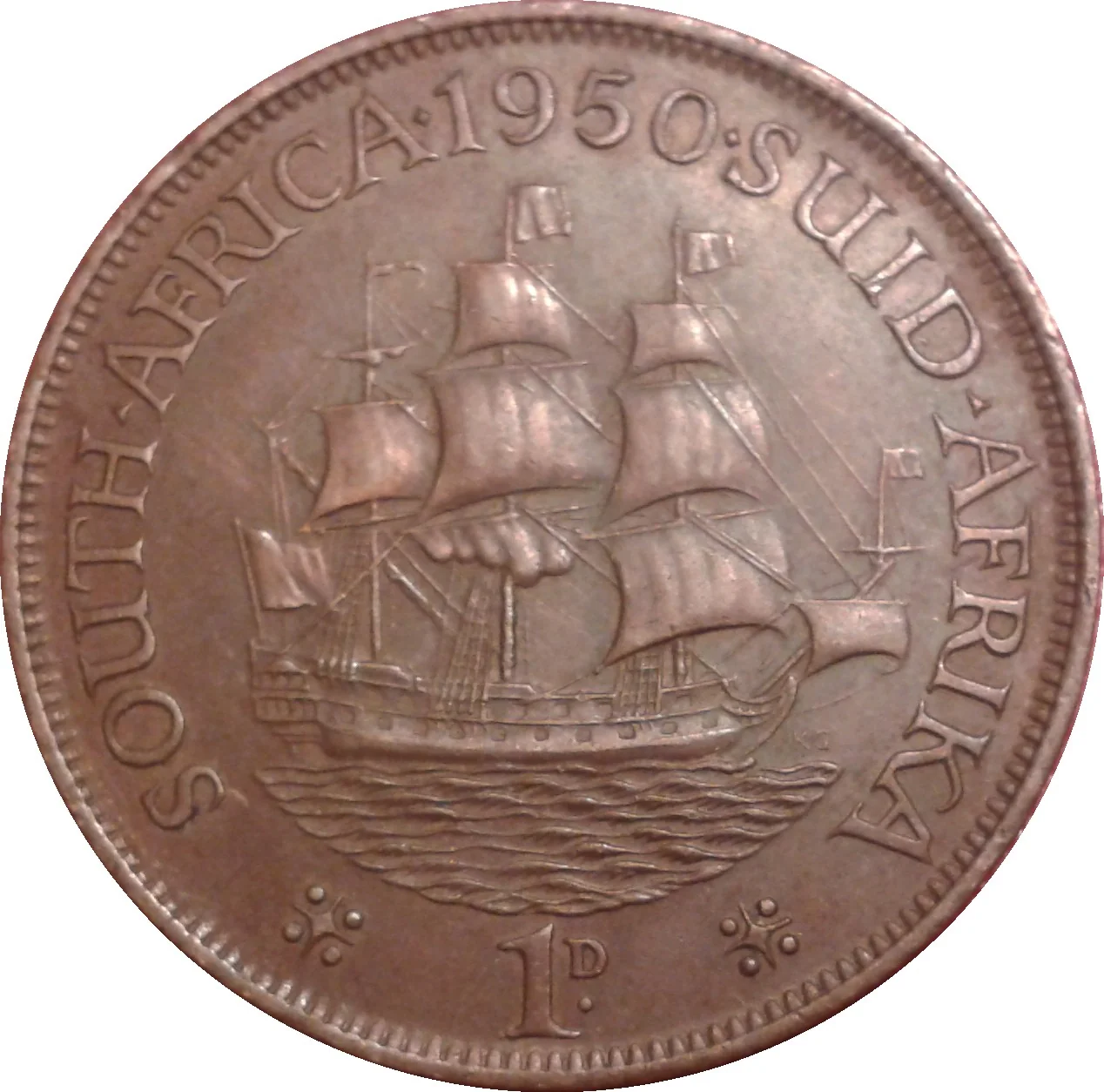
Description:
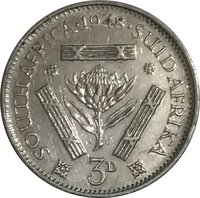
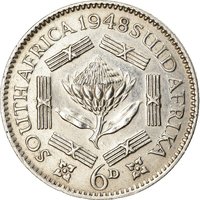
Ship 'Dromedaris' sailing right. English/Afrikaans legend on sides, date above, denomination below, engraver's initials before ship.
Inscription:
SOUTH·AFRICA·1948·SUID-AFRIKA
KG
1D.
KG
1D.
Script: Latin
Engraver: George Kruger Gray
Edge
Plain
Categories
| Person> Monarch |
| Transportation> Watercraft |
Mints
| Name | Mark |
|---|---|
| Pretoria | — |
Mintings
| Year | Mint Mark | Mintage | Quality | Collection |
|---|---|---|---|---|
| 1948 | — | 2,398,006 | ||
| 1948 | — | 1,120 | Proof | |
| 1949 | — | 3,633,691 | ||
| 1949 | — | 800 | Proof | |
| 1950 | — | 4,890,026 | ||
| 1950 | — | 500 | Proof |
Historical background
In 1948, South Africa's currency was fundamentally tied to the British Pound Sterling as a member of the Sterling Area, a system solidified during World War II to pool dollar reserves. The South African Pound (ZAR) was pegged at parity with sterling, meaning its value and international stability were directly dependent on the United Kingdom's economic management and the strength of the pound itself. This arrangement facilitated trade within the Commonwealth but also made the South African economy vulnerable to Britain's post-war economic struggles, including severe dollar shortages and exchange controls.
Domestically, the currency system was stable but operated within a rapidly changing political and economic landscape. The year 1948 marked the pivotal election victory of the National Party, which would soon implement the formal policy of apartheid. While immediate currency reform was not its first legislative act, the new government inherited and largely maintained the existing sterling peg. The economy was heavily reliant on gold mining, which generated crucial foreign exchange, but was also beginning a phase of accelerated industrialisation and state-led expansion, increasing the complexity of monetary management.
Looking forward, the currency situation of 1948 was on the cusp of significant change. The sterling peg would come under growing strain in the following decade, leading South Africa to gradually distance itself from the Sterling Area. This culminated in 1961, not only with the country becoming a republic but also with a major currency reform: the introduction of the Rand, a decimal-based currency replacing the South African Pound. Thus, 1948 represents a point of relative monetary stability under the old imperial system, immediately preceding an era where political isolation and economic self-reliance would drive the nation toward a more independent monetary path.
Domestically, the currency system was stable but operated within a rapidly changing political and economic landscape. The year 1948 marked the pivotal election victory of the National Party, which would soon implement the formal policy of apartheid. While immediate currency reform was not its first legislative act, the new government inherited and largely maintained the existing sterling peg. The economy was heavily reliant on gold mining, which generated crucial foreign exchange, but was also beginning a phase of accelerated industrialisation and state-led expansion, increasing the complexity of monetary management.
Looking forward, the currency situation of 1948 was on the cusp of significant change. The sterling peg would come under growing strain in the following decade, leading South Africa to gradually distance itself from the Sterling Area. This culminated in 1961, not only with the country becoming a republic but also with a major currency reform: the introduction of the Rand, a decimal-based currency replacing the South African Pound. Thus, 1948 represents a point of relative monetary stability under the old imperial system, immediately preceding an era where political isolation and economic self-reliance would drive the nation toward a more independent monetary path.
🌱 Common