

Obverse
Description:
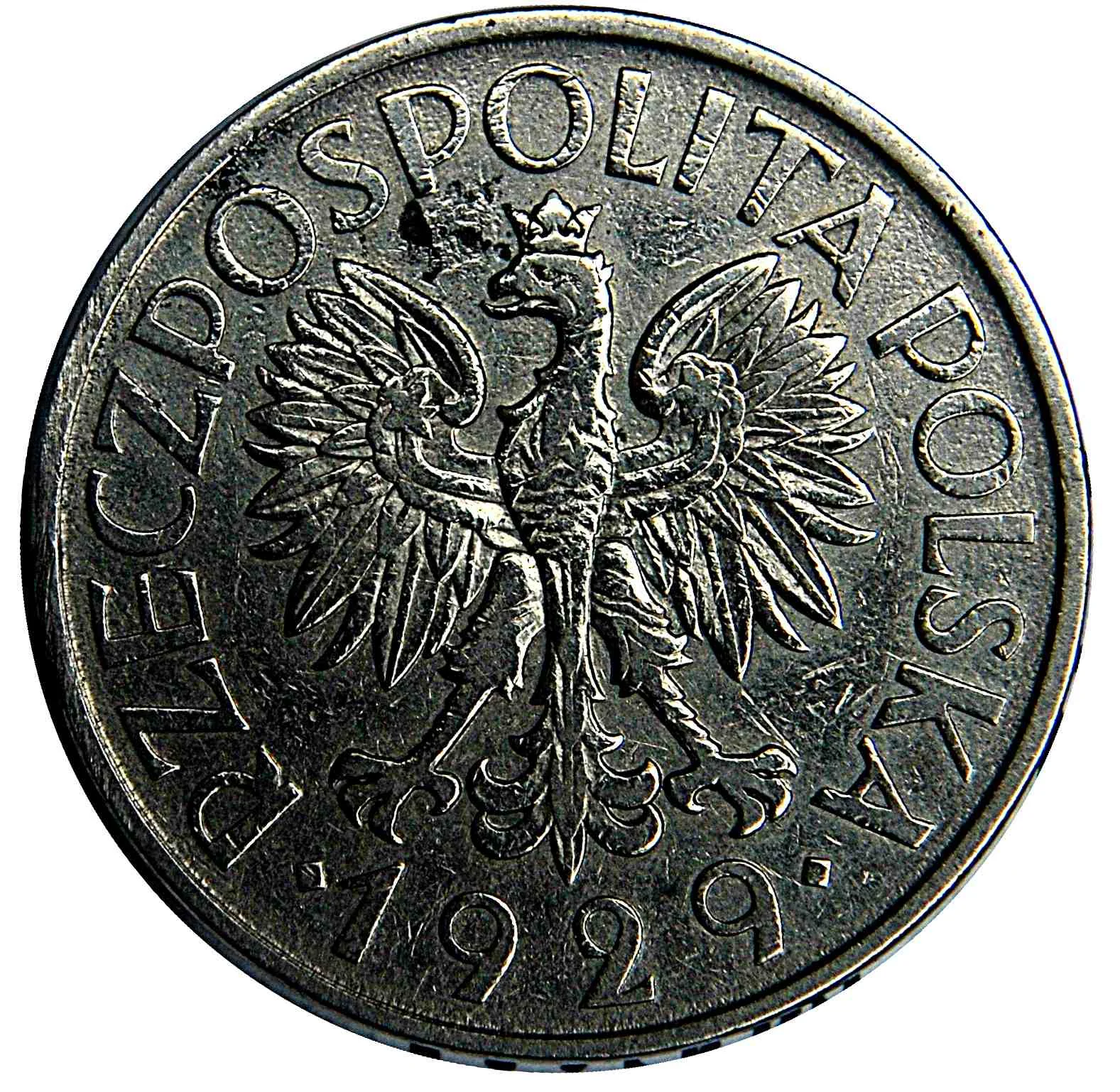
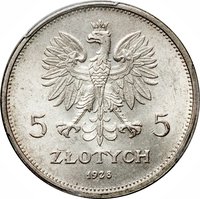
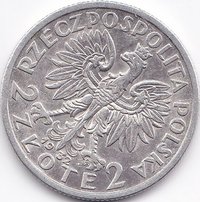
Crowned Polish eagle, wings spread, with date beneath.
Inscription:
RZECZPOSPOLITA POLSKA·1929·
Script: Latin
Reverse
Edge
Plain
Mints
| Name | Mark |
|---|---|
| Mint of Poland | — |
Mintings
| Year | Mint Mark | Mintage | Quality | Collection |
|---|---|---|---|---|
| 1929 | w | 32,000,000 | ||
| 1929 | (w) | — | ||
| 1929 | — | — |
Historical background
In 1929, Poland's currency, the złoty, was in a state of fragile stabilization following a period of extreme hyperinflation in the early 1920s. The introduction of the new złoty (PLN) in 1924 under Prime Minister Władysław Grabski had initially succeeded, pegging it to gold and establishing an independent central bank. However, this stability was built on a foundation of foreign loans and persistent underlying economic weaknesses, including a large trade deficit and significant dependence on agricultural exports. By the late 1920s, the Polish economy and its currency remained vulnerable to external shocks.
The year 1929 itself marked the beginning of the end for this precarious equilibrium. While the złoty maintained its formal gold parity, pressure was mounting. The Polish economy, still largely agrarian, began to feel the early tremors of the global economic downturn, which would soon severely depress international prices for agricultural goods—a key source of Poland's foreign exchange earnings. This threatened the balance of payments and the gold reserves needed to back the currency.
Consequently, by the close of 1929, the stage was set for a severe crisis. The inherent weaknesses of the Polish economy, combined with the onset of the Great Depression, would soon overwhelm the Grabski reform's framework. Within a few years, the gold standard would be abandoned, and the złoty would enter a period of devaluation and exchange controls, as Poland struggled through the economic devastation of the 1930s.
The year 1929 itself marked the beginning of the end for this precarious equilibrium. While the złoty maintained its formal gold parity, pressure was mounting. The Polish economy, still largely agrarian, began to feel the early tremors of the global economic downturn, which would soon severely depress international prices for agricultural goods—a key source of Poland's foreign exchange earnings. This threatened the balance of payments and the gold reserves needed to back the currency.
Consequently, by the close of 1929, the stage was set for a severe crisis. The inherent weaknesses of the Polish economy, combined with the onset of the Great Depression, would soon overwhelm the Grabski reform's framework. Within a few years, the gold standard would be abandoned, and the złoty would enter a period of devaluation and exchange controls, as Poland struggled through the economic devastation of the 1930s.
🌱 Very Common