

10 Cents – Barbados
Barbados
Context
Years: 1973–2005
Issuer: Barbados 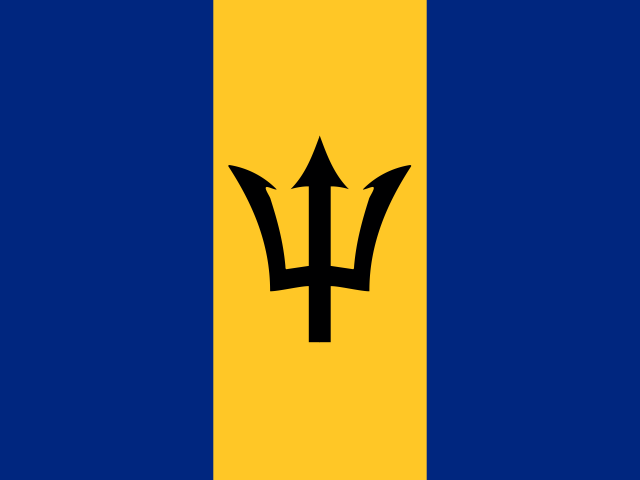
Ruler: Elizabeth II
Currency:
(since 1973)
Total mintage: 18,723,125
Material
References
KM: #Click to copy to clipboard12
Numista: #66
Value
Exchange value: 0.10 BBD
Obverse
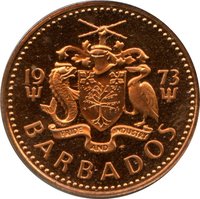
Description:
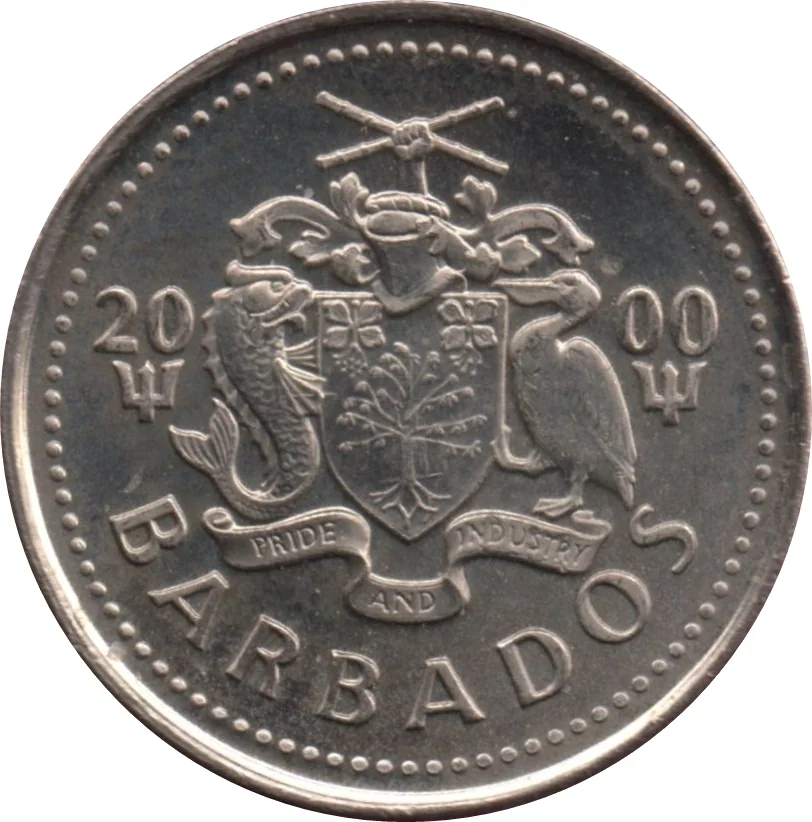
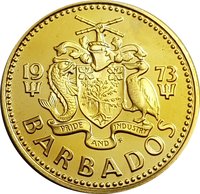
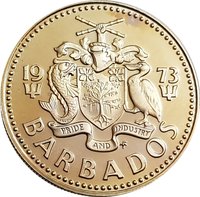
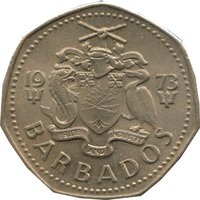
Barbados coat of arms
Inscription:
20 00
PRIDE AND INDUSTRY
BARBADOS
PRIDE AND INDUSTRY
BARBADOS
Translation:
PRIDE AND INDUSTRY
BARBADOS
BARBADOS
Script: Latin
Language: English
Engraver: Philip Nathan
Reverse
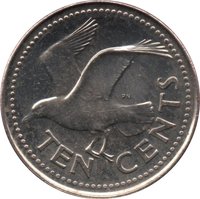
Description:
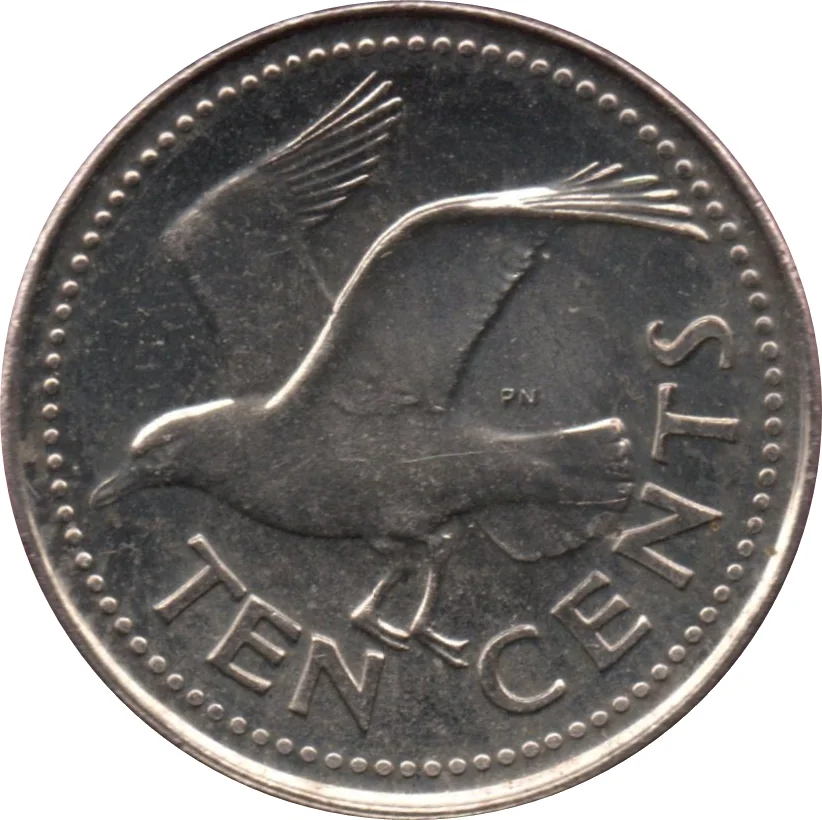
Gull (likely Laughing) flying left, value below.
Inscription:
PN
TEN CENTS
TEN CENTS
Script: Latin
Engraver: Philip Nathan
Edge
Reeded
Categories
| Animal> Bird |
| Symbols> Coat of Arms |
Mints
| Name | Mark |
|---|---|
| Royal Canadian Mint of Ottawa | — |
| Royal Canadian Mint of Winnipeg | — |
| Royal Mint (Tower Hill) | — |
| Franklin Mint | FM |
Mintings
| Year | Mint Mark | Mintage | Quality | Collection |
|---|---|---|---|---|
| 1973 | — | 4,000,000 | ||
| 1973 | FM | 5,000 | Matte | |
| 1973 | FM | 97,000 | Proof | |
| 1974 | FM | 36,000 | Proof | |
| 1974 | FM | 6,208 | Matte | |
| 1975 | FM | 20,000 | Proof | |
| 1975 | FM | 1,360 | Special Uncirculated | |
| 1975 | FM | 2,500 | Matte | |
| 1977 | FM | 2,100 | Matte | |
| 1977 | FM | 5,014 | Proof | |
| 1977 | FM | 468 | Special Uncirculated | |
| 1978 | FM | 2,000 | Matte | |
| 1978 | FM | 4,436 | Proof | |
| 1978 | FM | 2,517 | Special Uncirculated | |
| 1979 | — | 2,500,000 | ||
| 1979 | FM | 1,500 | Matte | |
| 1979 | FM | 4,126 | Proof | |
| 1979 | FM | 523 | Special Uncirculated | |
| 1980 | — | 3,500,000 | ||
| 1980 | FM | 1,500 | Matte | |
| 1980 | FM | 2,111 | Proof | |
| 1980 | FM | 649 | Special Uncirculated | |
| 1981 | FM | 1,500 | Matte | |
| 1981 | FM | 943 | Proof | |
| 1981 | FM | 327 | Special Uncirculated | |
| 1982 | FM | — | Matte | |
| 1982 | FM | 843 | Proof | |
| 1982 | FM | 1,500 | Special Uncirculated | |
| 1983 | FM | 1,500 | Matte | |
| 1983 | FM | 1,500 | Proof | |
| 1983 | FM | — | Special Uncirculated | |
| 1984 | — | — | ||
| 1984 | FM | — | Proof | |
| 1985 | — | — | ||
| 1986 | — | — | ||
| 1987 | — | 3,500,000 | ||
| 1989 | — | 2,520,000 | ||
| 1990 | — | 2,500,000 | ||
| 1992 | — | — | ||
| 1995 | — | — | ||
| 1996 | — | — | ||
| 1997 | — | — | Proof | |
| 1998 | — | — | ||
| 2000 | — | — | ||
| 2001 | — | — | ||
| 2003 | — | — | ||
| 2004 | — | — | ||
| 2005 | — | — |
Historical background
In 1973, Barbados was navigating a pivotal transition in its monetary system, having recently gained political independence from the United Kingdom in 1966. The island's currency, the Barbados dollar, was still pegged to sterling and operated within the broader context of the Eastern Caribbean Currency Authority (ECCA), which issued a common currency for several regional islands. This arrangement meant Barbados did not have independent control over its monetary policy, as its currency's value and supply were tied to the British pound and managed collectively. The global economic landscape of the early 1970s, marked by the collapse of the Bretton Woods system and the volatility of sterling, exposed the vulnerabilities of this peg and raised questions about monetary sovereignty.
Domestically, the government led by Prime Minister Errol Barrow of the Democratic Labour Party was pursuing a strategy of economic diversification away from a sugar-dependent model, focusing on manufacturing and the nascent tourism sector. This development agenda required stable and responsive financial tools, prompting serious national debate about the benefits of a central bank and a distinct national currency. The existing ECCA structure was seen by some as an impediment to tailoring monetary policy to Barbados's specific economic needs, especially as the island's economic performance began to diverge from some of its regional partners.
Consequently, 1973 served as a crucial preparatory year. The Barbadian government was actively laying the legislative and technical groundwork to exit the ECCA and establish its own central bank. This move was driven by the desire for greater economic self-determination and the tools to manage inflation, foster growth, and protect foreign reserves independently. The decision, which would come to fruition in 1975, was a definitive step in asserting post-colonial economic identity, transitioning from a regional currency peg to a sovereign monetary system managed by the newly formed Central Bank of Barbados.
Domestically, the government led by Prime Minister Errol Barrow of the Democratic Labour Party was pursuing a strategy of economic diversification away from a sugar-dependent model, focusing on manufacturing and the nascent tourism sector. This development agenda required stable and responsive financial tools, prompting serious national debate about the benefits of a central bank and a distinct national currency. The existing ECCA structure was seen by some as an impediment to tailoring monetary policy to Barbados's specific economic needs, especially as the island's economic performance began to diverge from some of its regional partners.
Consequently, 1973 served as a crucial preparatory year. The Barbadian government was actively laying the legislative and technical groundwork to exit the ECCA and establish its own central bank. This move was driven by the desire for greater economic self-determination and the tools to manage inflation, foster growth, and protect foreign reserves independently. The decision, which would come to fruition in 1975, was a definitive step in asserting post-colonial economic identity, transitioning from a regional currency peg to a sovereign monetary system managed by the newly formed Central Bank of Barbados.
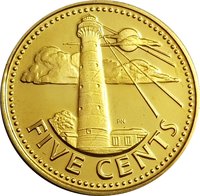
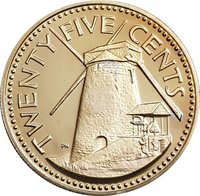
Series: 1973 Barbados circulation coins
🌱 Very Common