

25 Kopiiok – Ukraine
Ukraine
Context

Material
Diameter: 20.8 mm
Weight: 2.9 g
Thickness: 1.35 mm
Shape: Round
Composition: Aluminium bronze
Magnetic: No
Technique: Milled
Alignment: Medal alignment
flip
References
KM: #Click to copy to clipboard2.2
Numista: #11194
Value
Exchange value: 0.25 UAH
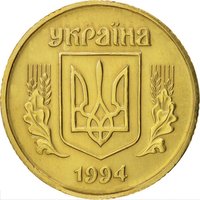
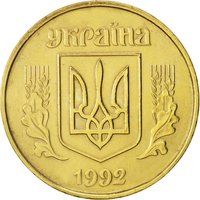
Obverse
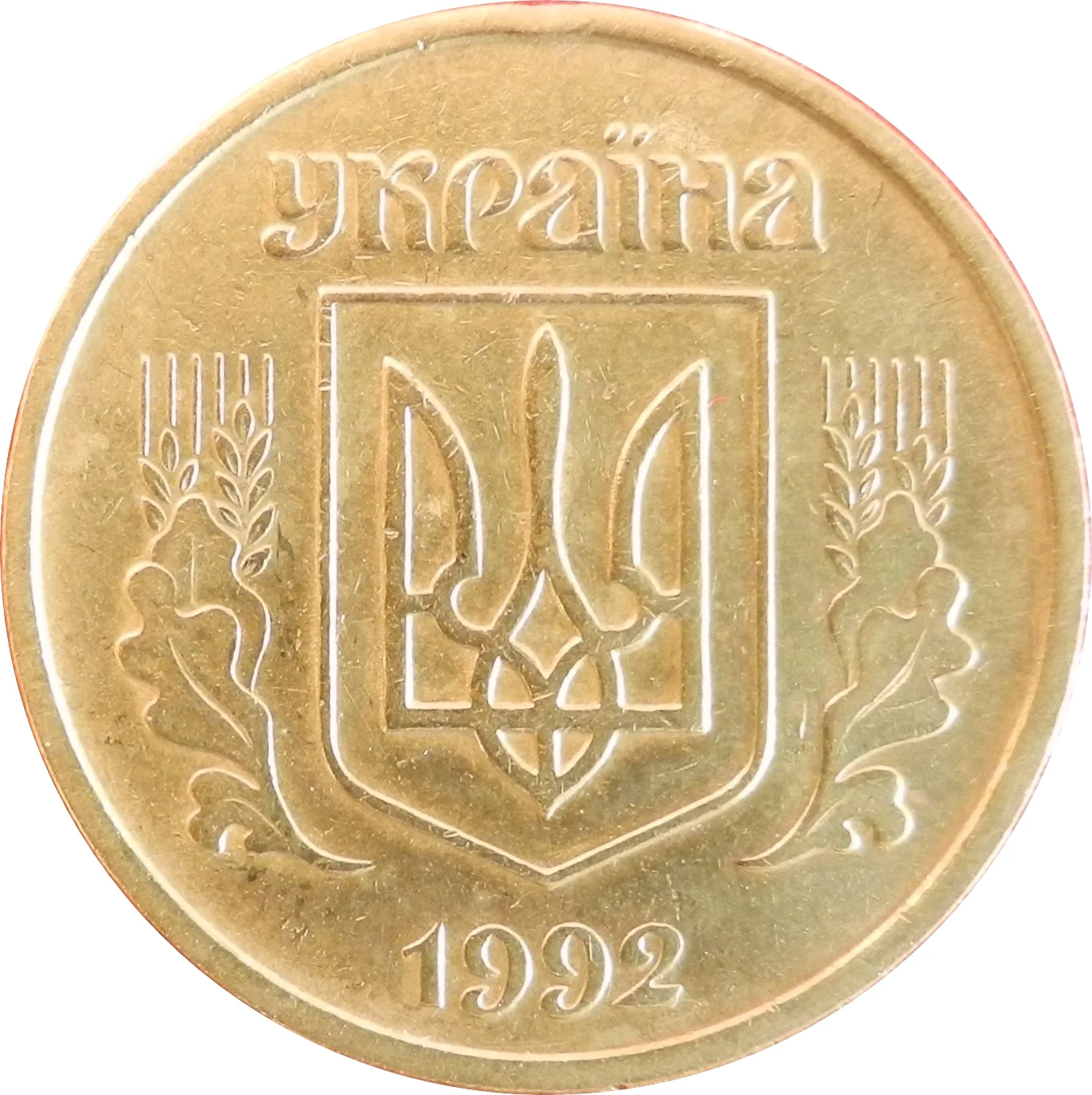
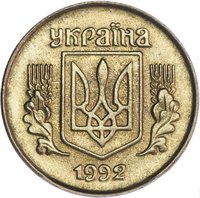
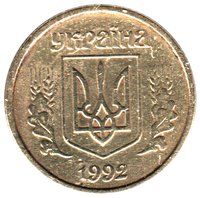
Description:
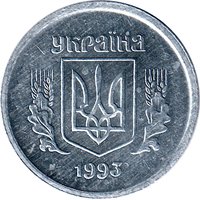
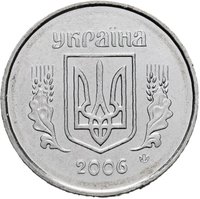
National arms, date beneath.
Inscription:
Україна
1992
1992
Translation:
Ukraine
1992
1992
Script: Cyrillic
Language: Ukrainian
Engraver: Vasyl Lopata
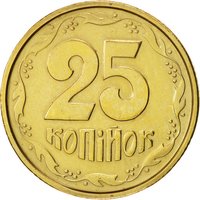
Reverse
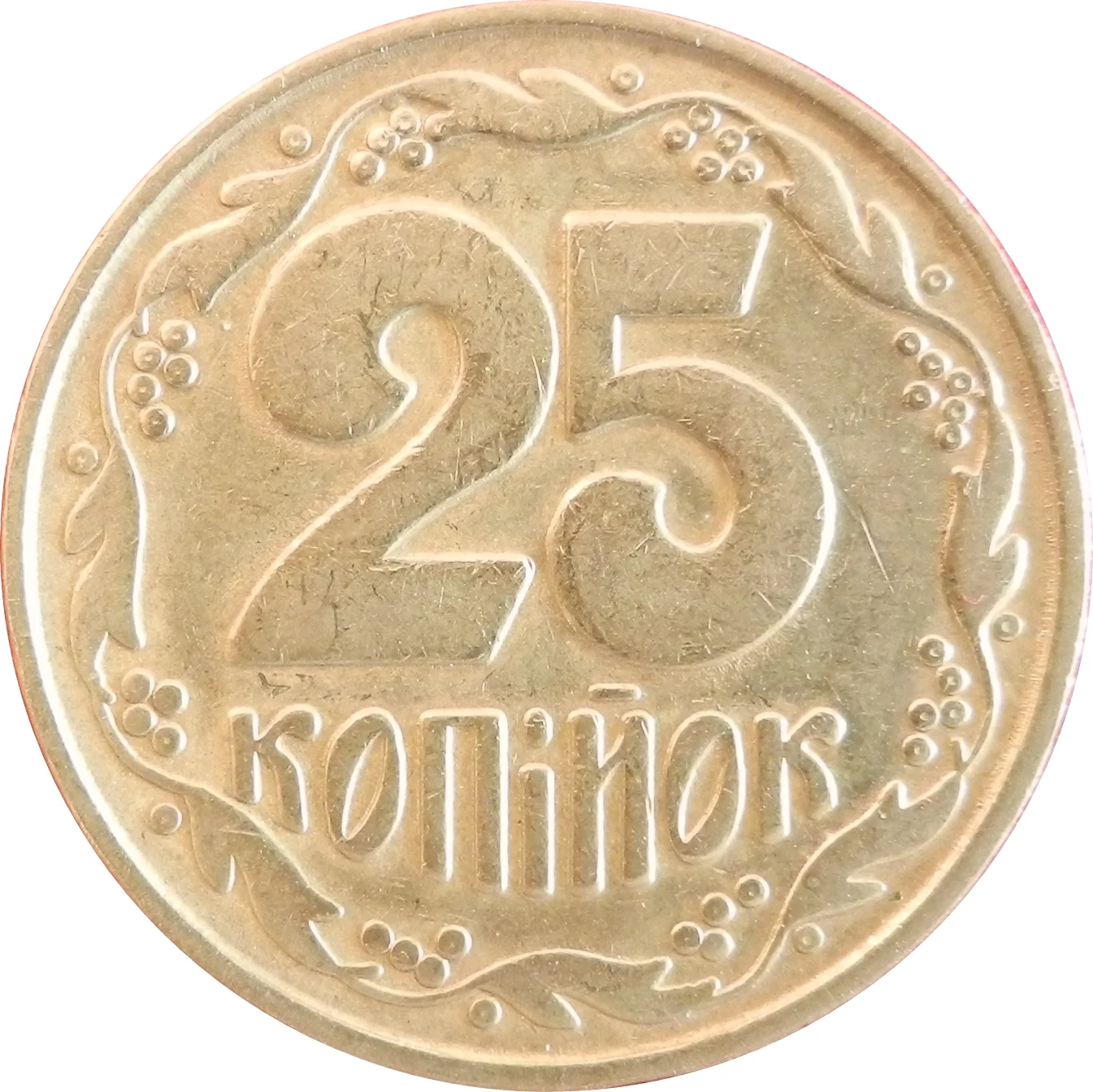
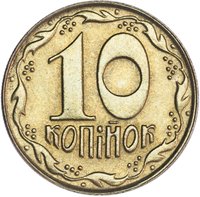
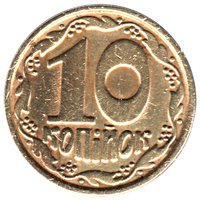
Description:
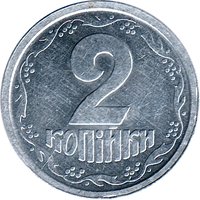
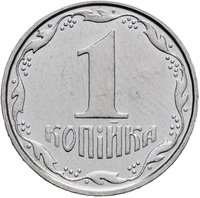
Berry-dotted border, central value.
Inscription:
25
копійок
копійок
Translation:
Twenty-five kopecks
Script: Cyrillic
Language: Ukrainian
Engraver: Vasyl Lopata
Edge
Segmented reeding
Mints
| Name | Mark |
|---|---|
| Luhansk Cartridge Factory | — |
| Rome | — |
Mintings
| Year | Mint Mark | Mintage | Quality | Collection |
|---|---|---|---|---|
| 1992 | — | — |
Historical background
In 1992, Ukraine faced a profound monetary crisis as a direct consequence of the Soviet Union's dissolution. While it had declared independence in 1991, it initially remained within the "ruble zone," using the Russian ruble as its currency. This created a highly unstable situation, as Ukraine lacked control over its own money supply. The newly established National Bank of Ukraine (NBU) was subordinate to the Russian Central Bank, which printed rubles primarily to serve Russian economic interests, leading to hyperinflationary pressures flooding into Ukraine. The country was effectively importing monetary chaos without the tools to manage it.
The situation was exacerbated by the collapse of inter-republican trade and the severing of Soviet economic structures, which plunged Ukraine into a deep industrial and energy crisis. In response to severe cash shortages for paying salaries and pensions, the NBU introduced a temporary parallel currency in January 1992: the karbovanets (often called the kupon). Initially intended as a stopgap, it circulated alongside the Russian ruble. However, with Russia tightening credit and restricting ruble shipments, Ukraine was forced to rapidly expand the printing of kupons, leading to a loss of fiscal control. By year's end, the karbovanets had fully replaced the ruble, but it was already succumbing to hyperinflation, which would peak at staggering rates of over 10,000% in 1993.
Thus, 1992 was a year of painful monetary transition, defined by the struggle to establish sovereignty over currency. The introduction of the karbovanets was a necessary step toward economic independence, but it was born out of crisis and managed without the necessary institutional safeguards. The resulting hyperinflation devastated savings and wages, setting the stage for the monumental reform that would come later—the introduction of the permanent hryvnia in 1996, only after a period of devastating economic turmoil.
The situation was exacerbated by the collapse of inter-republican trade and the severing of Soviet economic structures, which plunged Ukraine into a deep industrial and energy crisis. In response to severe cash shortages for paying salaries and pensions, the NBU introduced a temporary parallel currency in January 1992: the karbovanets (often called the kupon). Initially intended as a stopgap, it circulated alongside the Russian ruble. However, with Russia tightening credit and restricting ruble shipments, Ukraine was forced to rapidly expand the printing of kupons, leading to a loss of fiscal control. By year's end, the karbovanets had fully replaced the ruble, but it was already succumbing to hyperinflation, which would peak at staggering rates of over 10,000% in 1993.
Thus, 1992 was a year of painful monetary transition, defined by the struggle to establish sovereignty over currency. The introduction of the karbovanets was a necessary step toward economic independence, but it was born out of crisis and managed without the necessary institutional safeguards. The resulting hyperinflation devastated savings and wages, setting the stage for the monumental reform that would come later—the introduction of the permanent hryvnia in 1996, only after a period of devastating economic turmoil.
Series: 1992 Ukraine circulation coins
🌱 Common