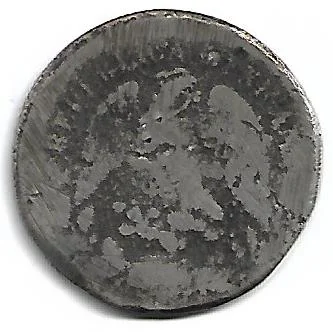
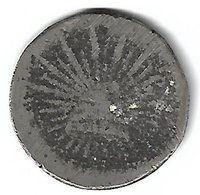
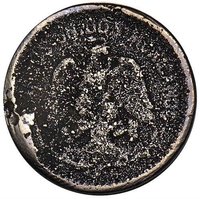
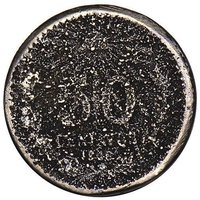
In 1913, the State of Sinaloa, like much of Mexico, was plunged into profound monetary chaos as a direct consequence of the Mexican Revolution and the overthrow of President Francisco I. Madero. The violent ascent of General Victoriano Huerta to the presidency in February of that year fractured the nation’s financial systems and severed Sinaloa from the central government's fiscal authority. The state, under the control of Constitutionalist forces loyal to Venustiano Carranza who opposed Huerta, found its formal banking ties to Mexico City cut off. This resulted in a critical shortage of official currency (pesos fuertes or silver pesos), as banks suspended payments and hoarded specie, paralyzing everyday commerce and the state's vital agricultural export economy.
To address the vacuum, a patchwork of emergency currencies flooded the local economy. The most significant were the
bilimbiques—low-denomination, crudely printed paper notes issued by revolutionary factions, local authorities, and even commercial enterprises. These were promises to pay "in metallic currency once the Revolution triumphs," but their value was highly unstable and based purely on the credibility of the issuing commander or committee. Simultaneously, older Porfirian banknotes from institutions like the Banco de Sinaloa continued to circulate but at steep and fluctuating discounts, while traditional barter re-emerged in many rural markets. The situation created a multi-tiered currency system where the value of money changed depending on who issued it and who controlled the territory.
This monetary anarchy was both a symptom and a fuel of the ongoing civil war. The Constitutionalist government in Sinaloa, needing to fund its military campaign against Huerta, often resorted to issuing its own paper money, effectively using currency emission as a tool of war finance. Consequently, inflation ran rampant, eroding the purchasing power of peasants and workers. The currency crisis of 1913 in Sinaloa was therefore not merely a financial issue but a fundamental aspect of the revolutionary struggle, reflecting the breakdown of the old order and the painful, contested birth of a new political authority, where control over money symbolized control over the state itself.