

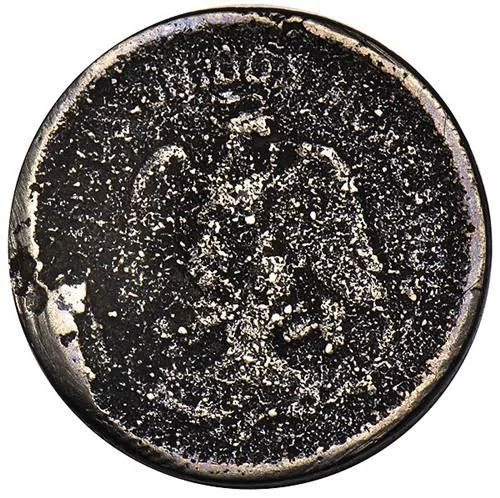
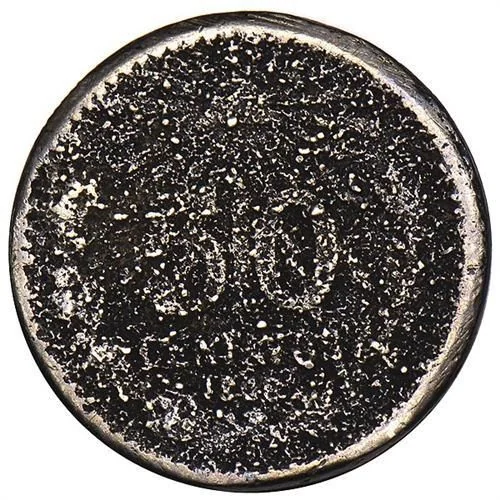
50 Centavos – State of Sinaloa
Mexico
Context
Material
References
KM: #Click to copy to clipboard766
Numista: #63312
Value
Bullion value: $41.02
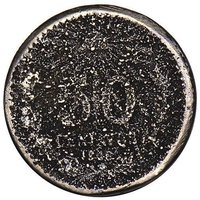
Obverse
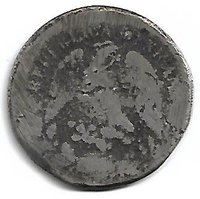
Reverse
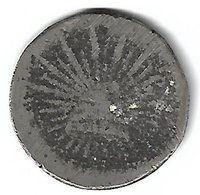
Edge
Mintings
| Year | Mint Mark | Mintage | Quality | Collection |
|---|---|---|---|---|
| — | — | — |
Historical background
In 1905, the State of Sinaloa, like much of Mexico, operated within a complex and often chaotic monetary system that was a direct legacy of the Porfiriato—the long dictatorship of Porfirio Díaz. The official currency was the silver Peso, minted at the famous Casa de Moneda in Mexico City, and it was theoretically tied to the international silver standard. However, the reality on the ground was one of severe scarcity of official coinage, especially in a burgeoning agricultural and mining state like Sinaloa. This shortage crippled everyday commerce and the payment of wages, particularly for the vast workforce in the state's profitable farms, mines, and railroads.
To fill this vacuum, a patchwork of substitute currencies circulated widely. The most prominent were bilimbiques—private paper notes issued by haciendas, mining companies, and local merchants. These notes were essentially IOUs, redeemable only for goods at the company store (tienda de raya), creating a system of debt peonage that bound workers to their employers. Alongside these, foreign coins, especially U.S. gold dollars and silver pesos, were commonly used in port cities like Mazatlán for larger commercial transactions and international trade. This resulted in a multi-currency environment where the value and acceptance of money were highly localized and unstable.
The situation underscored the central government's limited reach and the economic power of regional elites. While the Díaz regime promoted modernization and foreign investment, its failure to provide a uniform and sufficient circulating medium left Sinaloa's economy dependent on private, often exploitative, substitutes. This monetary fragmentation would contribute to the widespread economic discontent that fueled the coming Mexican Revolution, as workers and small farmers grew increasingly resentful of a system that controlled both their labor and the very money they were paid.
To fill this vacuum, a patchwork of substitute currencies circulated widely. The most prominent were bilimbiques—private paper notes issued by haciendas, mining companies, and local merchants. These notes were essentially IOUs, redeemable only for goods at the company store (tienda de raya), creating a system of debt peonage that bound workers to their employers. Alongside these, foreign coins, especially U.S. gold dollars and silver pesos, were commonly used in port cities like Mazatlán for larger commercial transactions and international trade. This resulted in a multi-currency environment where the value and acceptance of money were highly localized and unstable.
The situation underscored the central government's limited reach and the economic power of regional elites. While the Díaz regime promoted modernization and foreign investment, its failure to provide a uniform and sufficient circulating medium left Sinaloa's economy dependent on private, often exploitative, substitutes. This monetary fragmentation would contribute to the widespread economic discontent that fueled the coming Mexican Revolution, as workers and small farmers grew increasingly resentful of a system that controlled both their labor and the very money they were paid.

✨ Legendary