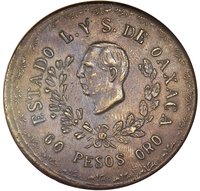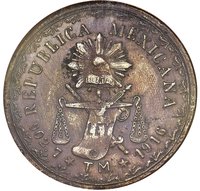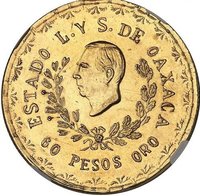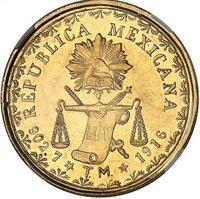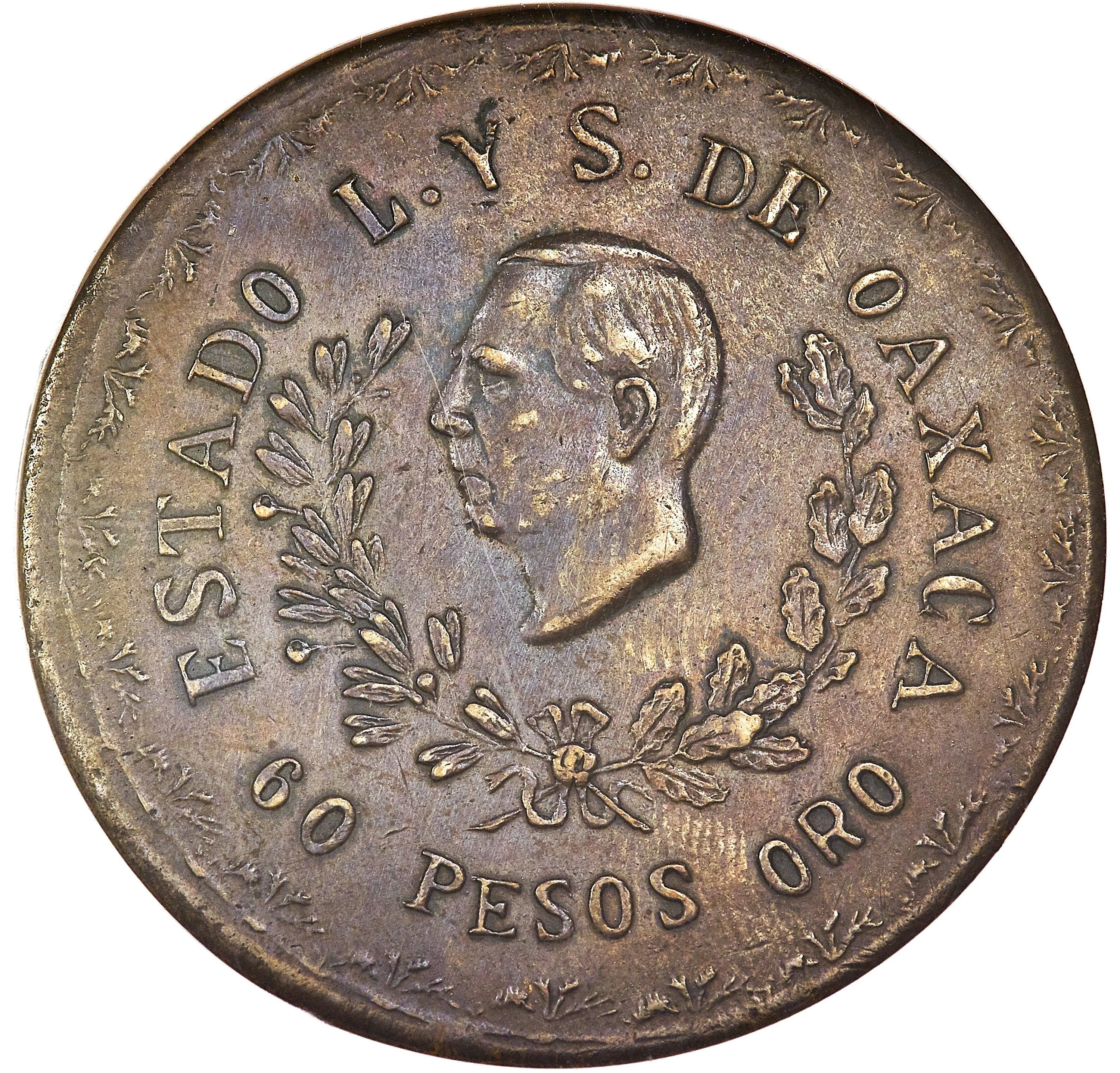
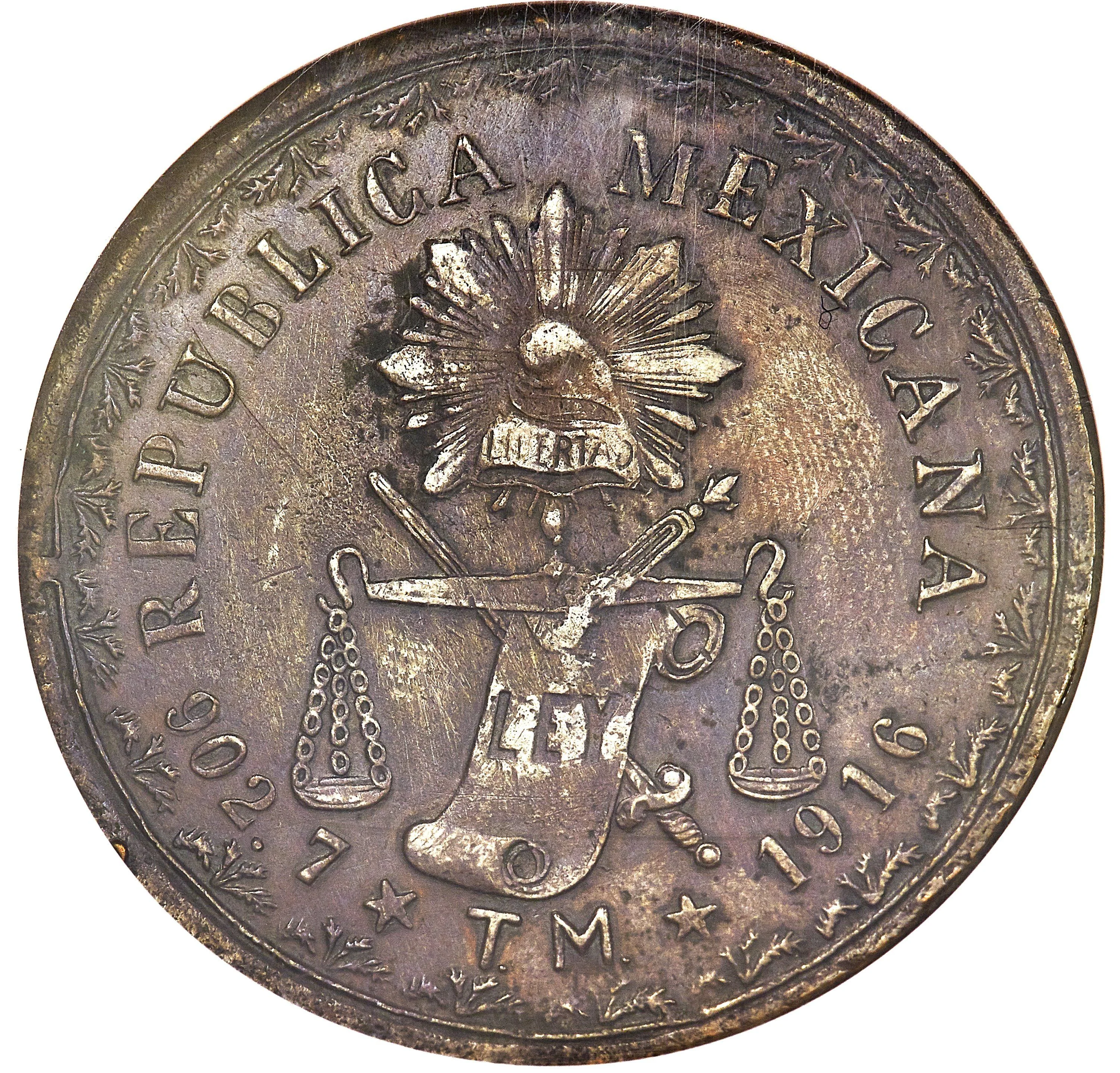
In 1916, the State of Oaxaca, like much of revolutionary Mexico, was gripped by a severe monetary crisis and hyperinflation. The national government under Venustiano Carranza, struggling to fund its forces and assert control, had massively over-issued paper currency known as
bilimbiques. These notes, lacking precious metal backing and public trust, depreciated rapidly. By mid-1916, they were virtually worthless, leading to a collapse in purchasing power and a effective return to barter economies in many markets, crippling formal commerce and causing widespread hardship for the population.
Within Oaxaca, the chaotic monetary situation was exacerbated by the region's complex political and military fragmentation. The state was a patchwork of areas controlled by Carrancista forces, local
Soberanista rebels loyal to Oaxacan sovereignty, and various independent factions. This fragmentation led to a proliferation of competing currencies. In addition to the discredited federal
bilimbiques, various revolutionary commanders and municipal authorities issued their own emergency paper notes or vales, further confusing the monetary landscape and undermining any semblance of a unified economy.
The practical response across Oaxaca was a widespread rejection of paper money and a retreat to more reliable historical currencies. People overwhelmingly returned to using silver pesos from the Porfiriato era, Spanish colonial coins, and even pre-Hispanic cacao beans in some indigenous communities. This "hard money" recession was a survival mechanism, but it severely limited the scale of trade. The crisis only began to abate in late 1916 and 1917 with Carranza's gradual introduction of new, more stable currency and the eventual military consolidation of the state, which slowly restored a single, accepted medium of exchange.