

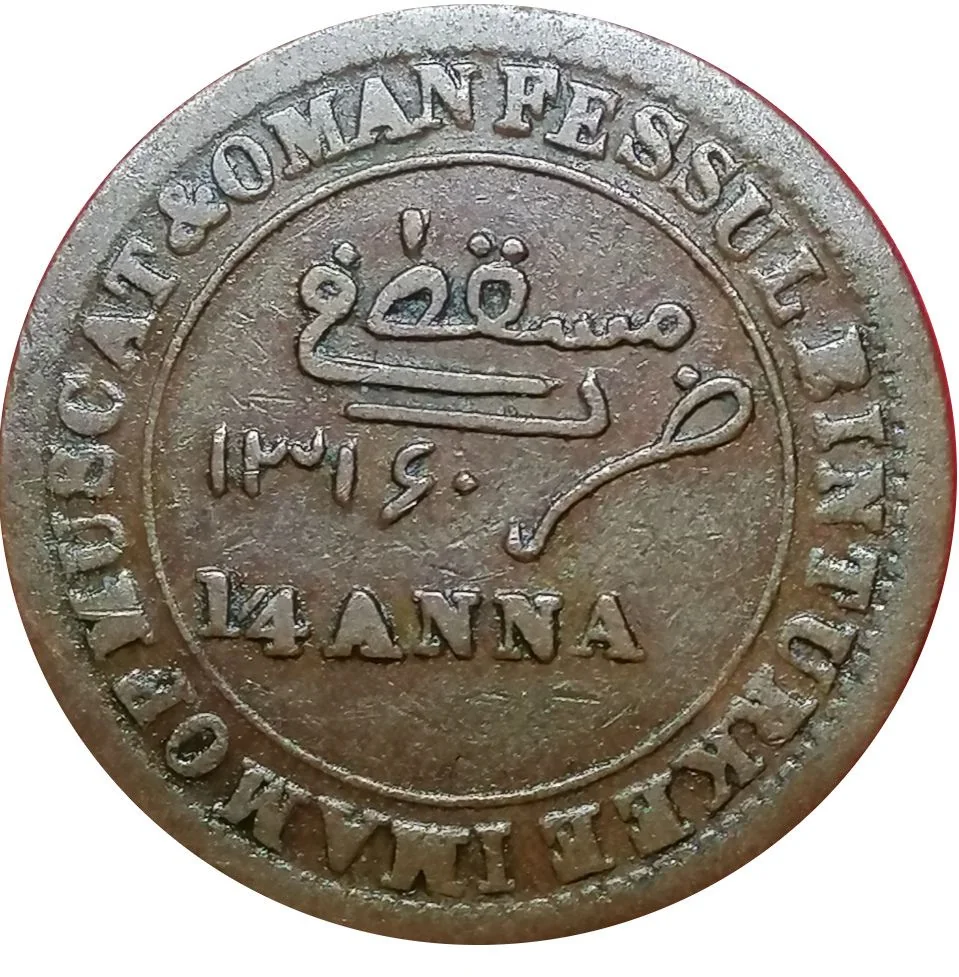
¼ anna – Muscat and Oman
Add to wishlist
Oman
Context
Year: 1899
Islamic (Hijri) Year:: 1316
Country: Oman
Issuer: Muscat and Oman
Ruler: Faisal bin Turki
Currency:
(1891—1959)
Demonetized: Yes
Material
References
KM: #
Numista: #63032
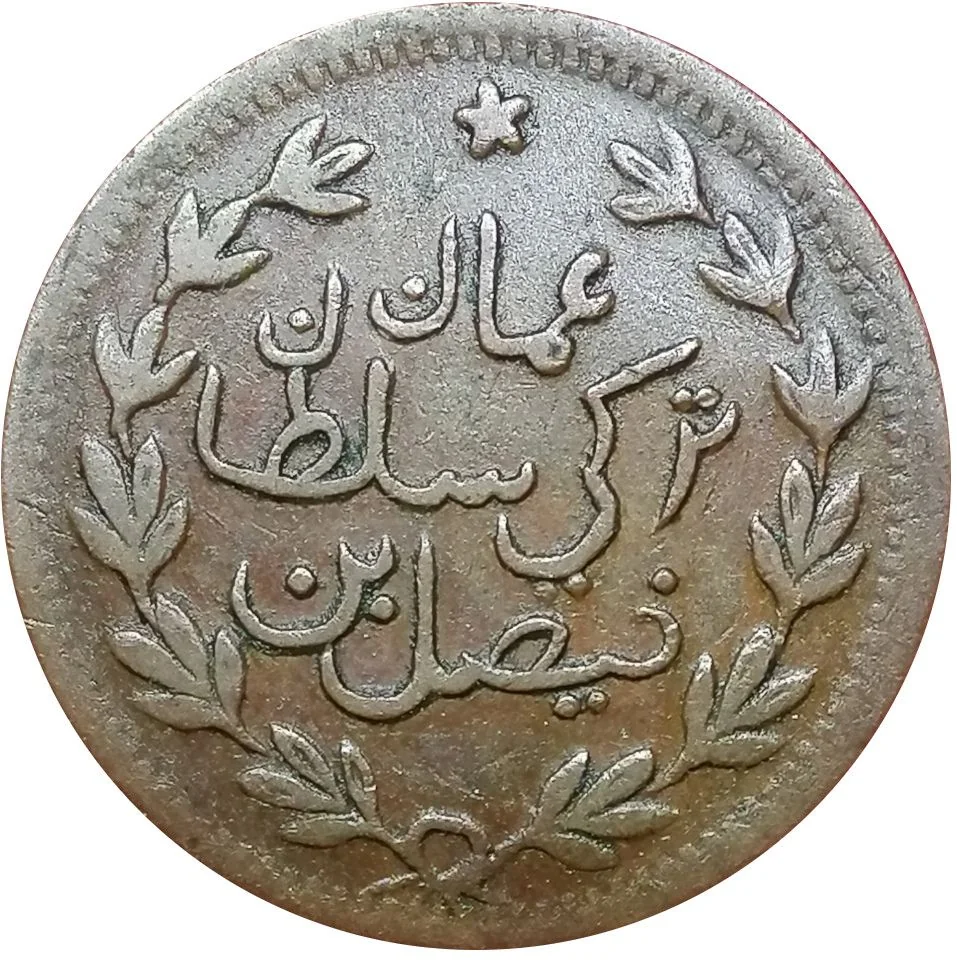
Reverse
Description:
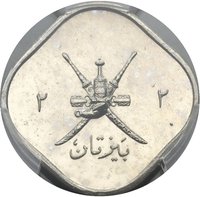
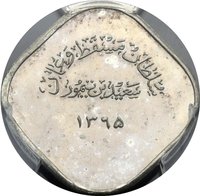
Arabic inscriptions within a floral crown.
Script: Arabic
Edge
Mintings
| Year | Mint Mark | Mintage | Quality | Collection |
|---|---|---|---|---|
| 1899 | — | — |
Historical background
In 1899, the currency situation in Muscat and Oman was a complex tapestry of competing foreign and local currencies, reflecting the Sultanate's pivotal position in Indian Ocean trade and its lack of a unified national coinage. The primary currency in circulation was the Indian Rupee, particularly the silver coins minted by the British East India Company and later the British Crown. This dominance was a direct result of Muscat's deep economic and political ties with British India, facilitated by the longstanding Treaty of Friendship (1798) and the crucial role of Omani merchants in the subcontinent. The Maria Theresa Thaler, a large silver coin minted in Austria, also circulated widely, especially in high-value and regional trade, due to its consistent silver content and acceptance across the Arabian Peninsula and East Africa.
Alongside these major currencies, a bewildering variety of other coins circulated. These included older Omani "Baisa" coins (copper and silver), Persian Krans, Turkish Piastres, and even Spanish Dollars. This created a challenging environment for commerce, requiring merchants and money-changers (sarrafs) to be experts in assessing the weight, purity, and fluctuating exchange rates of numerous coin types. The value of these coins was not fixed by a central authority but was determined by their intrinsic silver content and local market demand, leading to inconsistencies and potential for friction in transactions.
The year 1899 itself fell within the reign of Sultan Faisal bin Turki (1888-1913), a period of increasing British political influence and economic penetration. While there were no major monetary reforms that specific year, the persistent currency chaos underscored the Sultanate's financial fragility and its dependence on external economic systems. This fragmented monetary landscape would persist until the mid-20th century, when the Gulf Rupee (a successor to the Indian Rupee) became official in 1959, followed eventually by the issuance of a national Omani Rial Saidi in 1970.
Alongside these major currencies, a bewildering variety of other coins circulated. These included older Omani "Baisa" coins (copper and silver), Persian Krans, Turkish Piastres, and even Spanish Dollars. This created a challenging environment for commerce, requiring merchants and money-changers (sarrafs) to be experts in assessing the weight, purity, and fluctuating exchange rates of numerous coin types. The value of these coins was not fixed by a central authority but was determined by their intrinsic silver content and local market demand, leading to inconsistencies and potential for friction in transactions.
The year 1899 itself fell within the reign of Sultan Faisal bin Turki (1888-1913), a period of increasing British political influence and economic penetration. While there were no major monetary reforms that specific year, the persistent currency chaos underscored the Sultanate's financial fragility and its dependence on external economic systems. This fragmented monetary landscape would persist until the mid-20th century, when the Gulf Rupee (a successor to the Indian Rupee) became official in 1959, followed eventually by the issuance of a national Omani Rial Saidi in 1970.
💎 Very Rare