

5 mun – Joseon
Add to wishlist
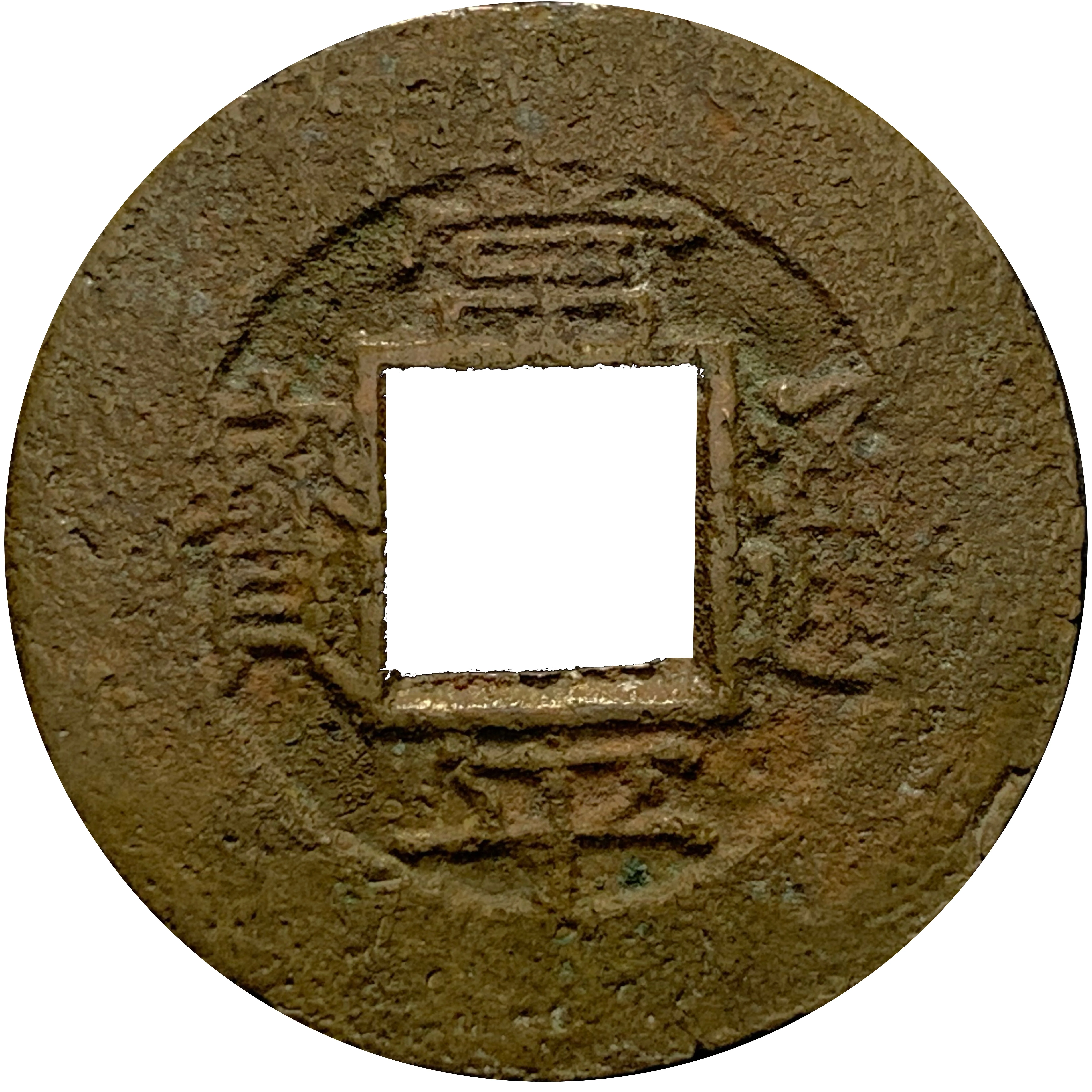
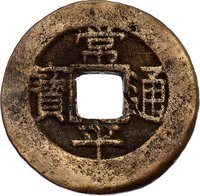
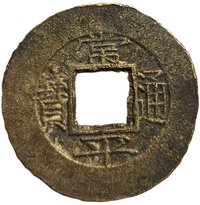
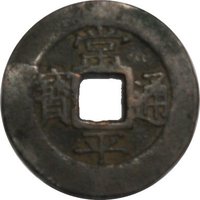
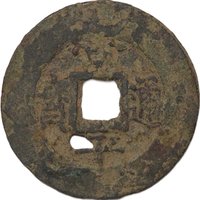
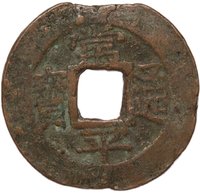
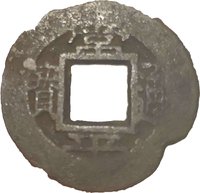
Obverse
Description:
常平通寶 (Sang pyong Tong bo) - Yi Dynasty Korean currency.
Inscription:
常
寶 通
平
寶 通
平
Translation:
Eternal Treasure
Circulating Currency
Circulating Currency
Scripts: Chinese (traditional, regular script)
Language: Chinese
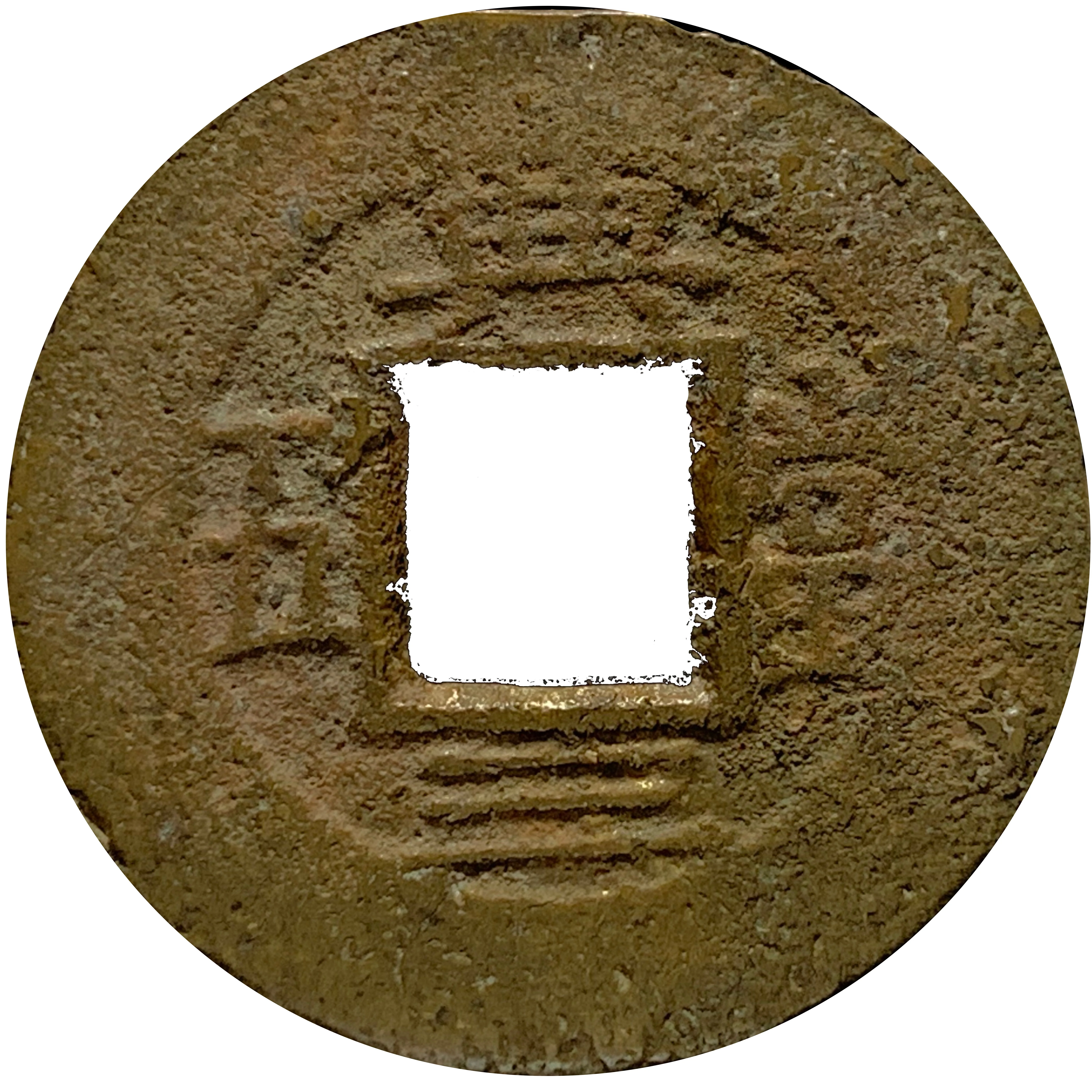
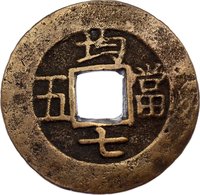
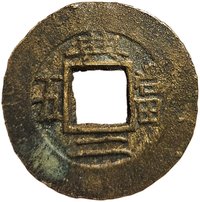
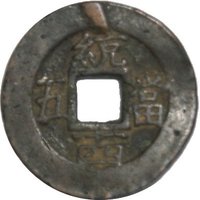
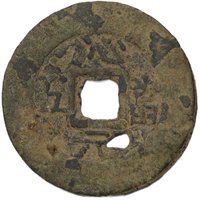
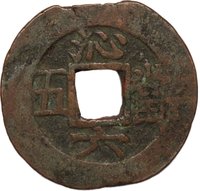
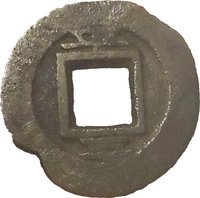
Reverse
Description:
Top: mint mark. Bottom: serial number. Denomination: 典 (Chŏn), right to left.
Inscription:
典
五 當
三
五 當
三
Translation:
Five
Cash
Three
Cash
Three
Scripts: Chinese (traditional, regular script)
Language: Chinese
Edge
Plain
Mints
| Name | Mark |
|---|---|
| Central Government Mint | 典 |
Mintings
| Year | Mint Mark | Mintage | Quality | Collection |
|---|---|---|---|---|
| 1883 | 典 | — |
Historical background
In 1883, the currency situation in Joseon was one of profound crisis and transition, caught between a collapsing traditional system and the disruptive forces of foreign encroachment and internal reform. For centuries, the kingdom had operated on a trimetallic system of copper mun coins, silver yang (in bar or ingot form), and bronze jeon tokens, but the system was plagued by chronic debasement, widespread counterfeiting, and regional inconsistency. By the early 1880s, the value of copper cash had plummeted, causing severe inflation and public mistrust, while the circulation of foreign silver coins, particularly the Mexican dollar, further undermined state monetary authority.
This instability unfolded against the backdrop of the Gapsin Reform period, as progressive officials, influenced by Chinese advisors and Japanese models, sought to modernize the state. A key initiative was the establishment of the Daehan Cheon-il Bank in 1883, granted an exclusive royal charter to issue standardized, machine-struck copper and silver coins. The new coins, minted in Japan, were intended to replace the old mun and unify the monetary system, representing Joseon's first attempt at a modern, national currency.
However, the reform was premature and poorly executed. The bank lacked sufficient capital and public confidence, while the sudden influx of new coinage, without the withdrawal of the old, only added to the monetary chaos. Furthermore, the political turbulence of the following year—including the Gapsin Coup of 1884—shattered the fragile initiative. Consequently, the currency situation in 1883 remained unresolved, a symbol of Joseon's struggle to maintain sovereignty and economic order amidst internal weakness and escalating foreign competition for influence in the peninsula.
This instability unfolded against the backdrop of the Gapsin Reform period, as progressive officials, influenced by Chinese advisors and Japanese models, sought to modernize the state. A key initiative was the establishment of the Daehan Cheon-il Bank in 1883, granted an exclusive royal charter to issue standardized, machine-struck copper and silver coins. The new coins, minted in Japan, were intended to replace the old mun and unify the monetary system, representing Joseon's first attempt at a modern, national currency.
However, the reform was premature and poorly executed. The bank lacked sufficient capital and public confidence, while the sudden influx of new coinage, without the withdrawal of the old, only added to the monetary chaos. Furthermore, the political turbulence of the following year—including the Gapsin Coup of 1884—shattered the fragile initiative. Consequently, the currency situation in 1883 remained unresolved, a symbol of Joseon's struggle to maintain sovereignty and economic order amidst internal weakness and escalating foreign competition for influence in the peninsula.
Series: 1883 Joseon circulation coins
💎 Very Rare