

1 centesimo – Panama
Add to wishlist
Circulating commemorative coins
Commemoration: FAO - Food Security
Panama
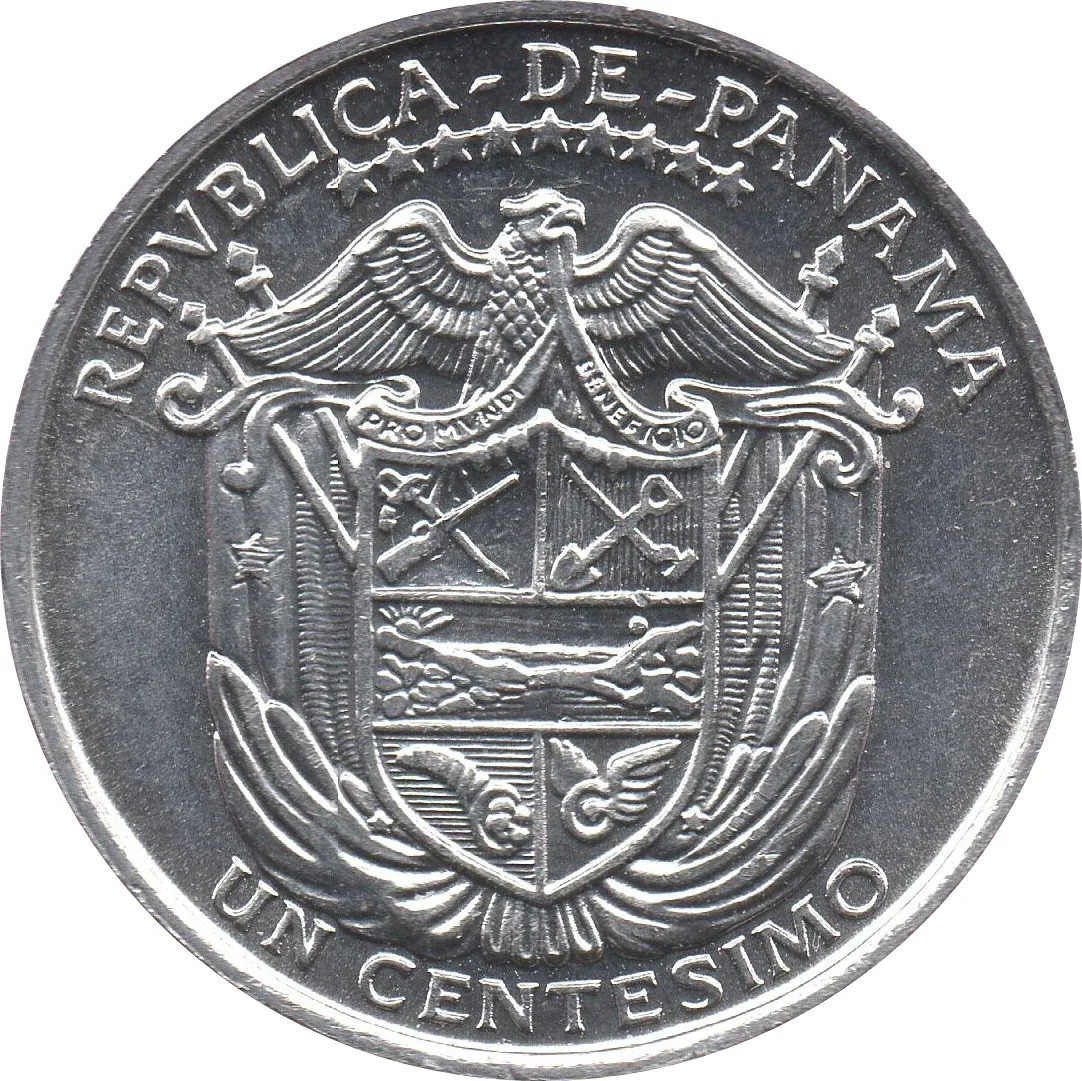
Obverse
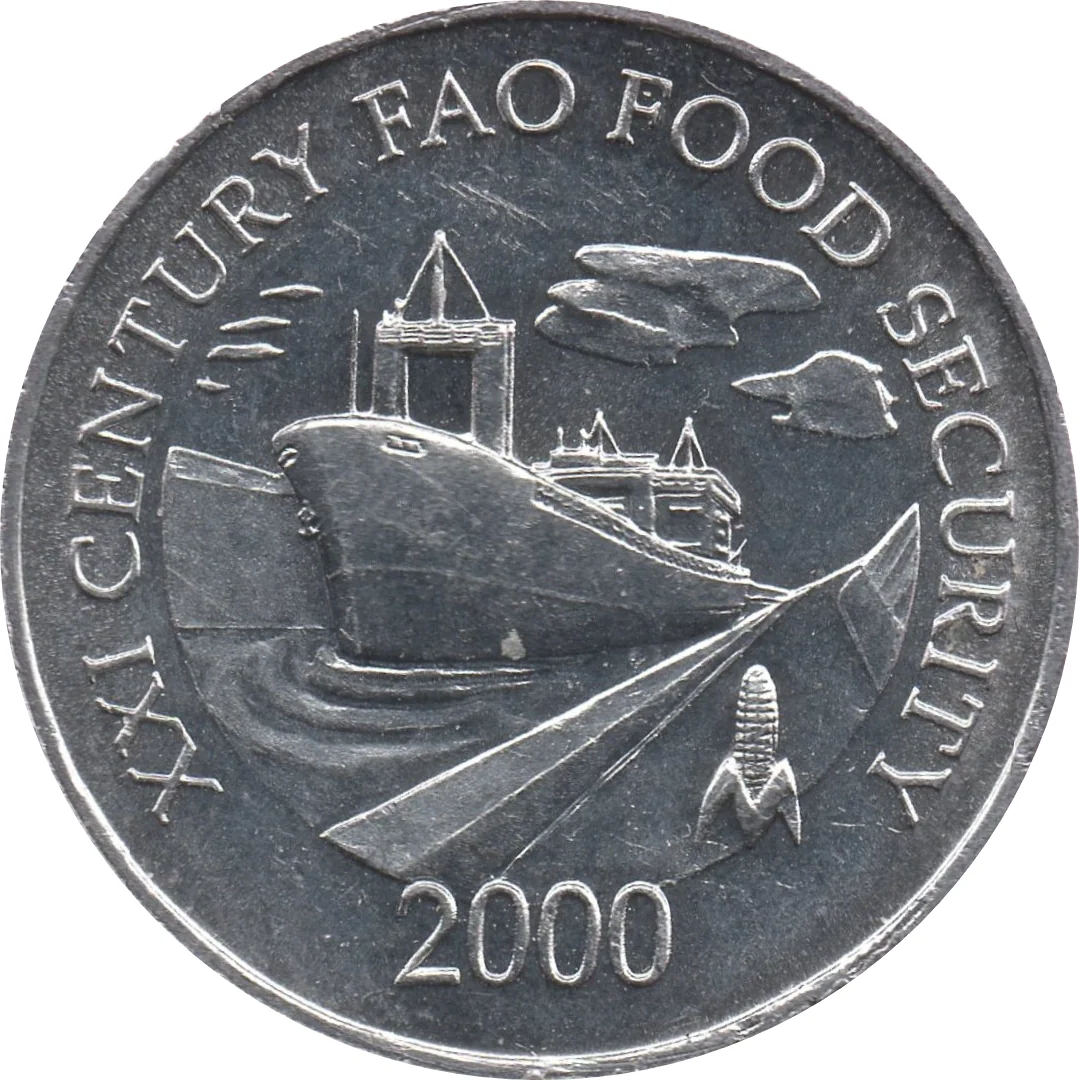
Reverse
Description:
Panamá Canal ship, corncob. Legend encircles, date below.
Inscription:
XXI CENTURY FAO FOOD SECURITY
2000
2000
Script: Latin
Edge
Plain
Categories
| Symbols> Coat of Arms |
| Organization> FAO |
| Transportation> Watercraft |
Mints
| Name | Mark |
|---|---|
| Kremnica | — |
Mintings
| Year | Mint Mark | Mintage | Quality | Collection |
|---|---|---|---|---|
| 2000 | — | 1,000,000 |
Historical background
Panama’s currency situation in the year 2000 was defined by its unique and long-standing monetary framework, which remained a cornerstone of economic stability. Since 1904, the country has used the US dollar as its official legal tender, a system known as full dollarization. Alongside the dollar, Panama also mints its own fractional currency, the Balboa, which is pegged at a 1:1 parity with the dollar and circulates only in coin form. This dual-currency system meant that in 2000, all paper currency in circulation was US dollars, while Balboa coins and US coins were used interchangeably for smaller transactions.
This dollarized economy provided significant advantages in 2000, particularly in insulating the country from the currency crises and hyperinflation that affected some of its Latin American neighbors during that period. It ensured low inflation, eliminated exchange rate risk for foreign investment, and facilitated international trade due to the seamless use of the world’s primary reserve currency. The stability was underpinned by the operations of the National Bank of Panama and government fiscal policy, as the country, having no central bank, could not create money to finance deficits.
However, the system also came with inherent constraints. Panama relinquished control over its independent monetary policy, meaning it could not adjust interest rates or devalue its currency to respond to economic shocks. In 2000, this meant the country’s economic competitiveness relied entirely on fiscal discipline and labor market flexibility. While the system fostered a robust banking sector and general stability, it also tied Panama’s economic fortunes closely to US monetary policy and required careful management of public finances to maintain confidence in the dollar-based framework.
This dollarized economy provided significant advantages in 2000, particularly in insulating the country from the currency crises and hyperinflation that affected some of its Latin American neighbors during that period. It ensured low inflation, eliminated exchange rate risk for foreign investment, and facilitated international trade due to the seamless use of the world’s primary reserve currency. The stability was underpinned by the operations of the National Bank of Panama and government fiscal policy, as the country, having no central bank, could not create money to finance deficits.
However, the system also came with inherent constraints. Panama relinquished control over its independent monetary policy, meaning it could not adjust interest rates or devalue its currency to respond to economic shocks. In 2000, this meant the country’s economic competitiveness relied entirely on fiscal discipline and labor market flexibility. While the system fostered a robust banking sector and general stability, it also tied Panama’s economic fortunes closely to US monetary policy and required careful management of public finances to maintain confidence in the dollar-based framework.
🌱 Very Common