

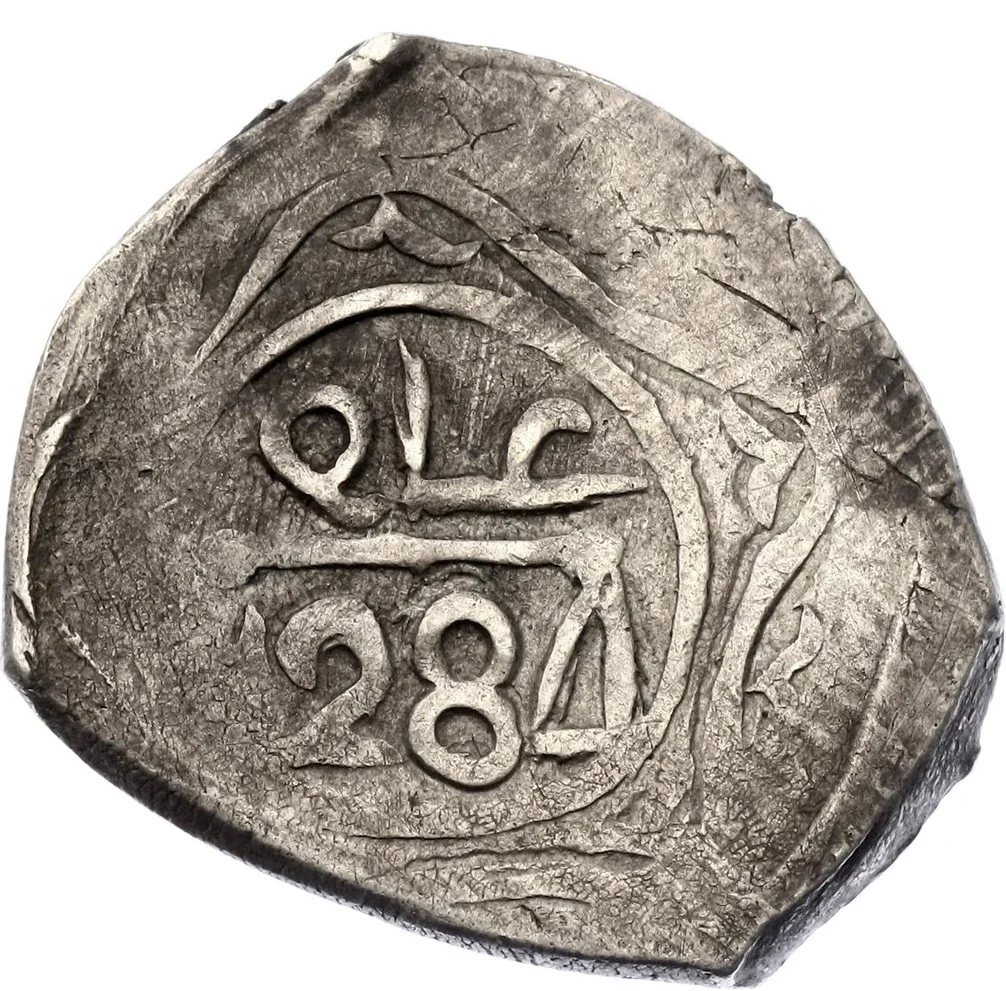
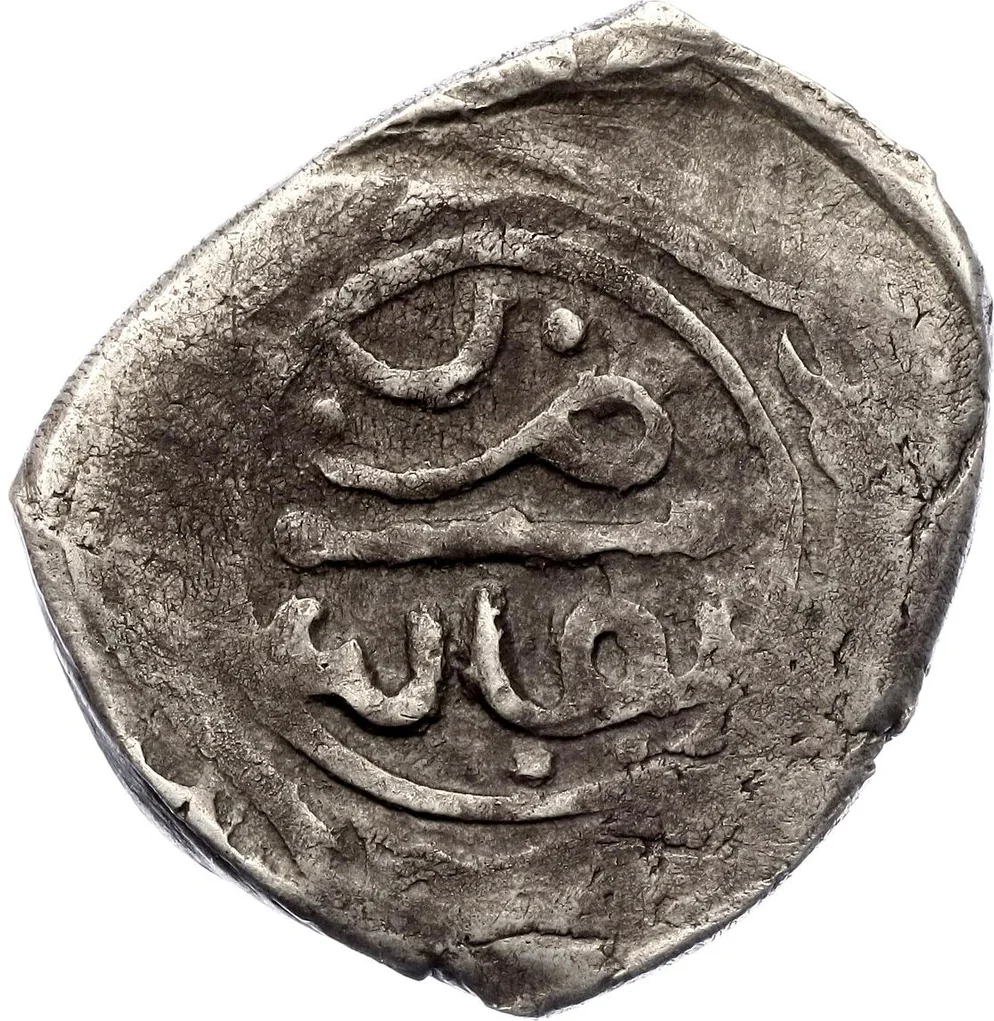
1 dirham – Morocco
Add to wishlist
Morocco
Context
Material
Diameter: 20 mm
Weight: 2.93 g
Silver Weight:: 2.93 g
Shape: Irregular round
Composition: Silver
Magnetic: No
References
Numista: #62354
Value
Bullion value: $7.19
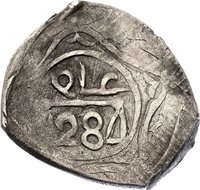
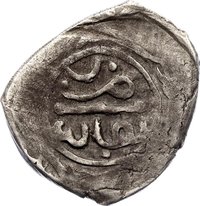
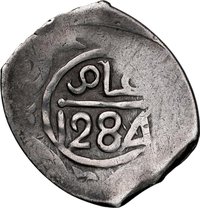
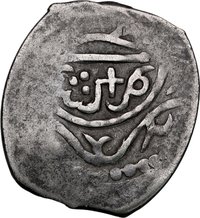
Reverse
Edge
Hammered
Mintings
| Year | Mint Mark | Mintage | Quality | Collection |
|---|---|---|---|---|
| 1867 | — | — | ||
| 1868 | — | — | ||
| 1869 | — | — | ||
| 1870 | — | — | ||
| 1870 | — | — | ||
| 1872 | — | — |
Historical background
In 1867, Morocco's currency situation was characterized by profound instability and complexity, reflecting the broader political and economic pressures on the Alawite Sultanate. The monetary system was a chaotic mix of domestic and foreign coinage. Domestically, the primary silver coin was the dirham, but its weight and purity were inconsistent, leading to widespread confusion. Alongside it circulated a multitude of foreign coins, most notably the Spanish silver peseta and the British gold sovereign, which were often preferred for trade due to their reliability. This fragmentation undermined the Sultan's monetary authority and complicated both domestic commerce and international trade.
This monetary disorder was exacerbated by severe fiscal crises. The state treasury was depleted following the disastrous Hispanic-Moroccan War (1859-60), which resulted in a large indemnity paid to Spain. To meet these obligations, the Makhzen (government) resorted to debasing the coinage—reducing the silver content of minted coins—and imposing heavy taxes. These actions triggered inflation, eroded public trust in the currency, and fueled social unrest. Furthermore, European economic penetration was increasing, with foreign merchants and diplomats demanding payments in stable foreign specie, thereby draining the country of its sound money and further destabilizing the local economy.
The situation in 1867 was a critical juncture, highlighting Morocco's vulnerability on the eve of heightened European imperial ambition. Sultan Mohammed IV (r. 1859-1873) recognized the need for reform and had begun to seek European technical assistance to modernize the mint and standardize the currency. However, these efforts were in their early stages and faced deep-seated institutional and economic challenges. The monetary chaos of this period thus stood as a potent symbol of a traditional empire struggling to maintain its sovereignty and economic order in the face of internal weakness and external pressure.
This monetary disorder was exacerbated by severe fiscal crises. The state treasury was depleted following the disastrous Hispanic-Moroccan War (1859-60), which resulted in a large indemnity paid to Spain. To meet these obligations, the Makhzen (government) resorted to debasing the coinage—reducing the silver content of minted coins—and imposing heavy taxes. These actions triggered inflation, eroded public trust in the currency, and fueled social unrest. Furthermore, European economic penetration was increasing, with foreign merchants and diplomats demanding payments in stable foreign specie, thereby draining the country of its sound money and further destabilizing the local economy.
The situation in 1867 was a critical juncture, highlighting Morocco's vulnerability on the eve of heightened European imperial ambition. Sultan Mohammed IV (r. 1859-1873) recognized the need for reform and had begun to seek European technical assistance to modernize the mint and standardize the currency. However, these efforts were in their early stages and faced deep-seated institutional and economic challenges. The monetary chaos of this period thus stood as a potent symbol of a traditional empire struggling to maintain its sovereignty and economic order in the face of internal weakness and external pressure.
Series: 1867 Morocco circulation coins

💎 Very Rare