

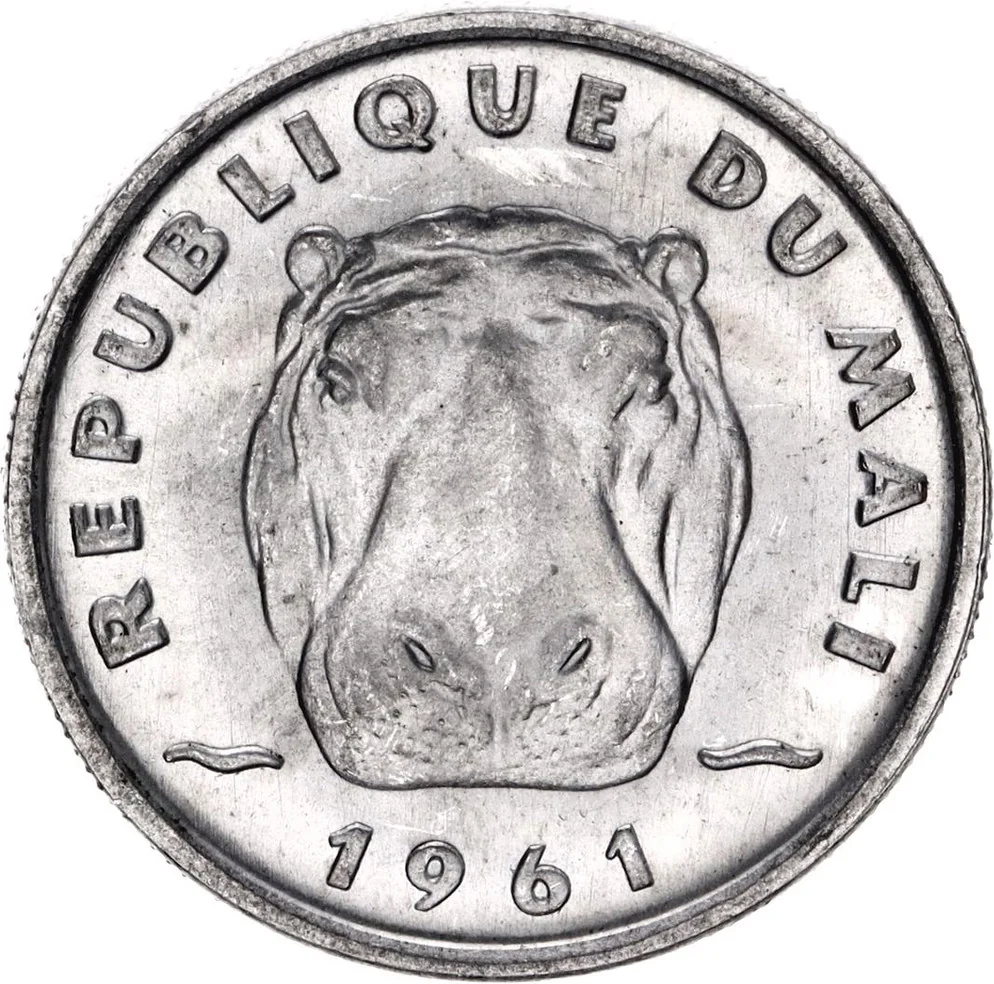
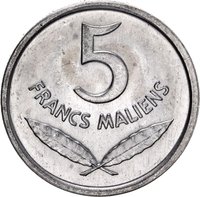
Obverse
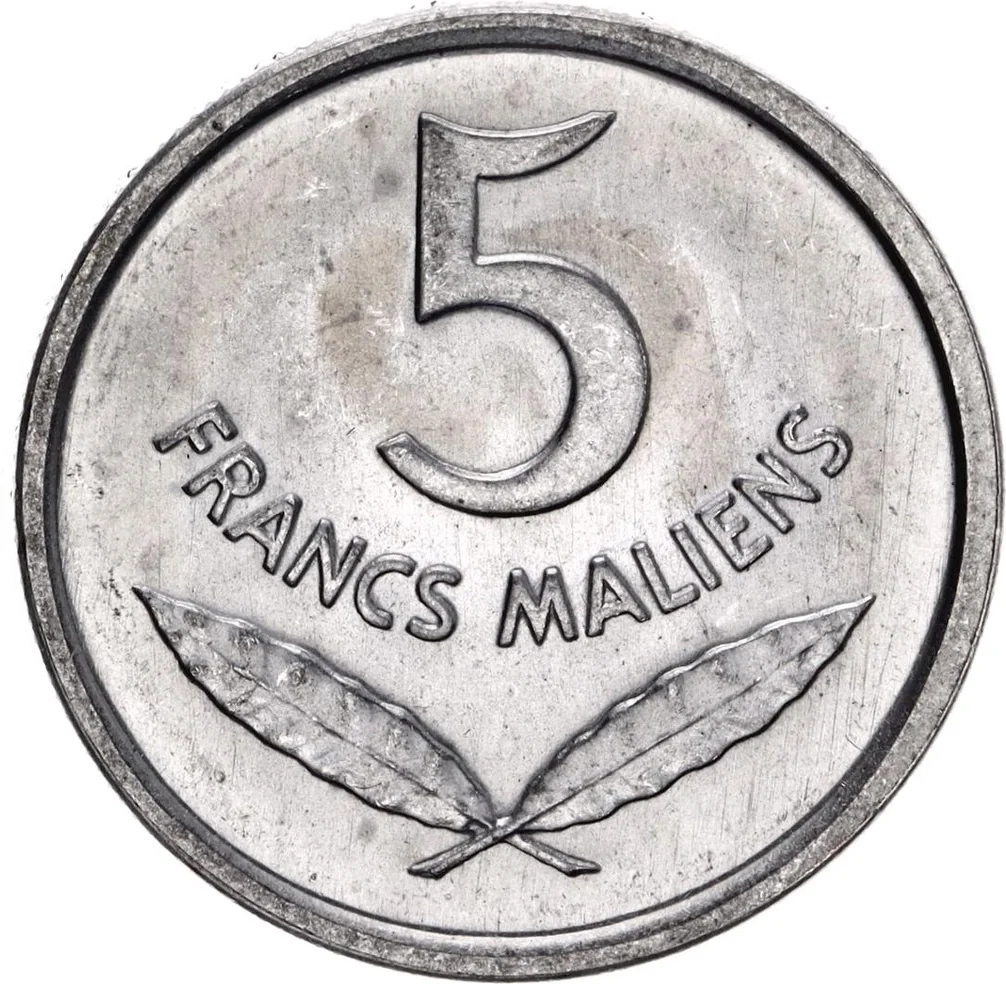
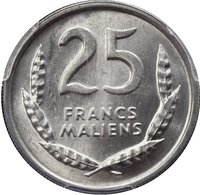
Reverse
Edge
Reeded
Categories
| Animal |
Mints
| Name | Mark |
|---|---|
| Kremnica | — |
Mintings
| Year | Mint Mark | Mintage | Quality | Collection |
|---|---|---|---|---|
| 1961 | — | — |
Historical background
In 1961, Mali's currency situation was defined by its recent independence and its participation in the West African Monetary Union (UMOA). Upon gaining independence from France in 1960, Mali initially remained within the CFA franc zone, using the CFA franc (Colonies Françaises d'Afrique) as its legal tender. This currency was guaranteed by the French Treasury and pegged to the French franc, providing stability but also symbolizing continued economic dependence. The arrangement meant Mali's monetary policy was largely set externally, with its currency reserves pooled with other member states.
However, President Modibo Keïta's government, pursuing a socialist path and greater economic sovereignty, grew dissatisfied with this arrangement. In 1962, Mali took the decisive step to leave the UMOA and create its own national currency, the Malian franc. Therefore, while 1961 was a year of transition and preparation, the foundational policy decision had been made. The government sought to use an independent monetary instrument to finance its ambitious state-led development plans and industrial projects, free from the constraints of the Franc Zone.
Consequently, the currency situation in 1961 was one of mounting tension between the existing CFA framework and Mali's nationalist ambitions. It was the final year of the status quo, characterized by technical preparations for the imminent currency separation that would formally occur in July 1962. The background to this move was a broader political struggle to define Mali's economic independence, making the currency question a central symbol of the nation's sovereignty and its chosen socialist direction.
However, President Modibo Keïta's government, pursuing a socialist path and greater economic sovereignty, grew dissatisfied with this arrangement. In 1962, Mali took the decisive step to leave the UMOA and create its own national currency, the Malian franc. Therefore, while 1961 was a year of transition and preparation, the foundational policy decision had been made. The government sought to use an independent monetary instrument to finance its ambitious state-led development plans and industrial projects, free from the constraints of the Franc Zone.
Consequently, the currency situation in 1961 was one of mounting tension between the existing CFA framework and Mali's nationalist ambitions. It was the final year of the status quo, characterized by technical preparations for the imminent currency separation that would formally occur in July 1962. The background to this move was a broader political struggle to define Mali's economic independence, making the currency question a central symbol of the nation's sovereignty and its chosen socialist direction.
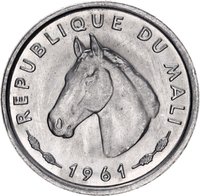
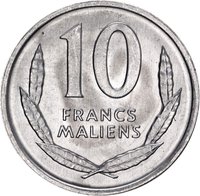
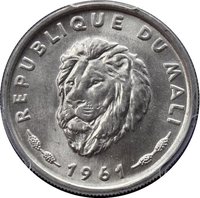
🌱 Very Common