

Iran
Context
Year: 1801
Islamic (Hijri) Year: 1215
Issuer: Iran 
Ruler: Fath-Ali Shah
Currency:
(1798—1825)
Demonetized: Yes
References
KM: #Click to copy to clipboard739.2
Numista: #61987
Value
Bullion value: $1023.49
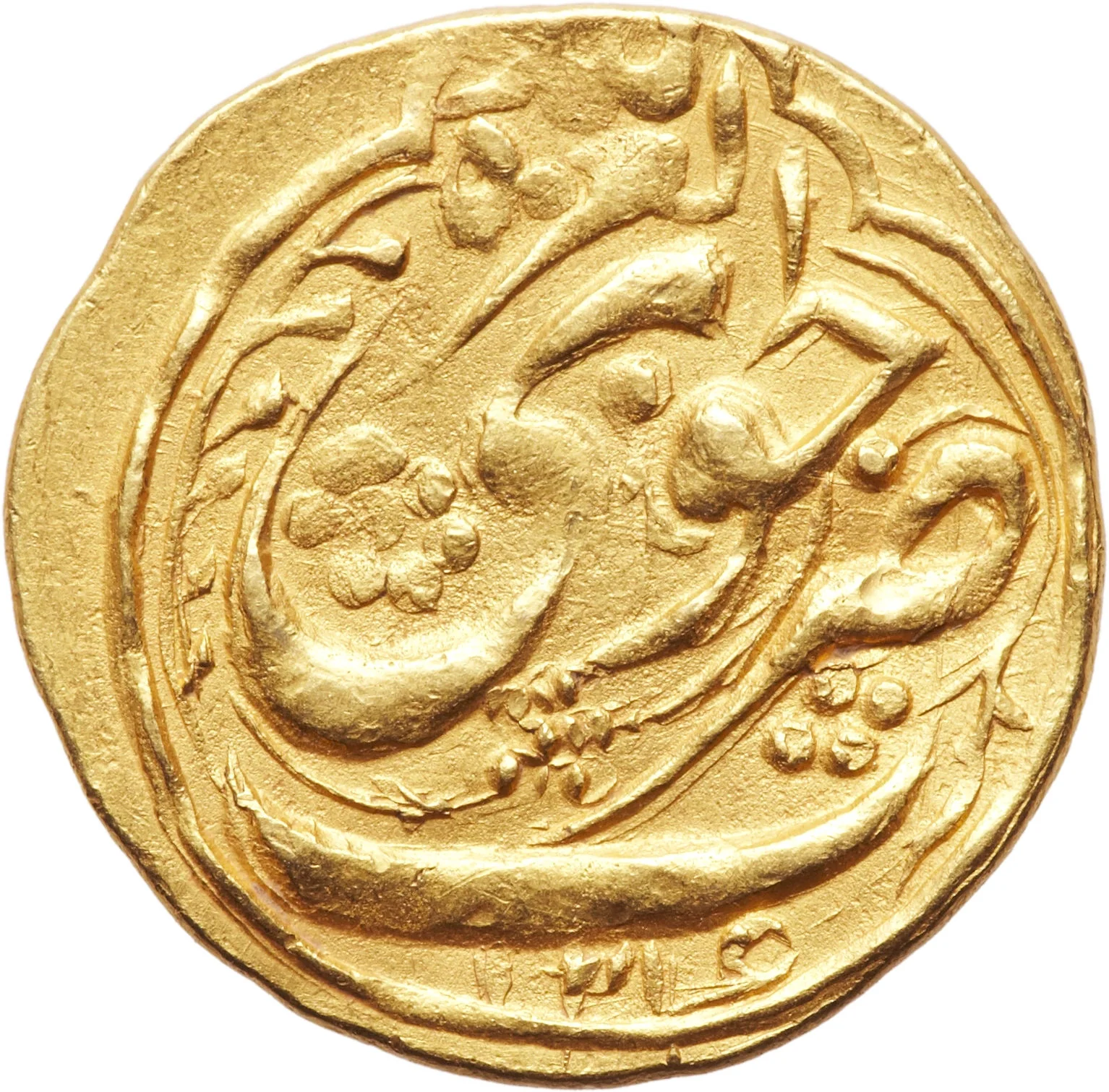
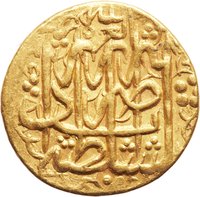
Obverse
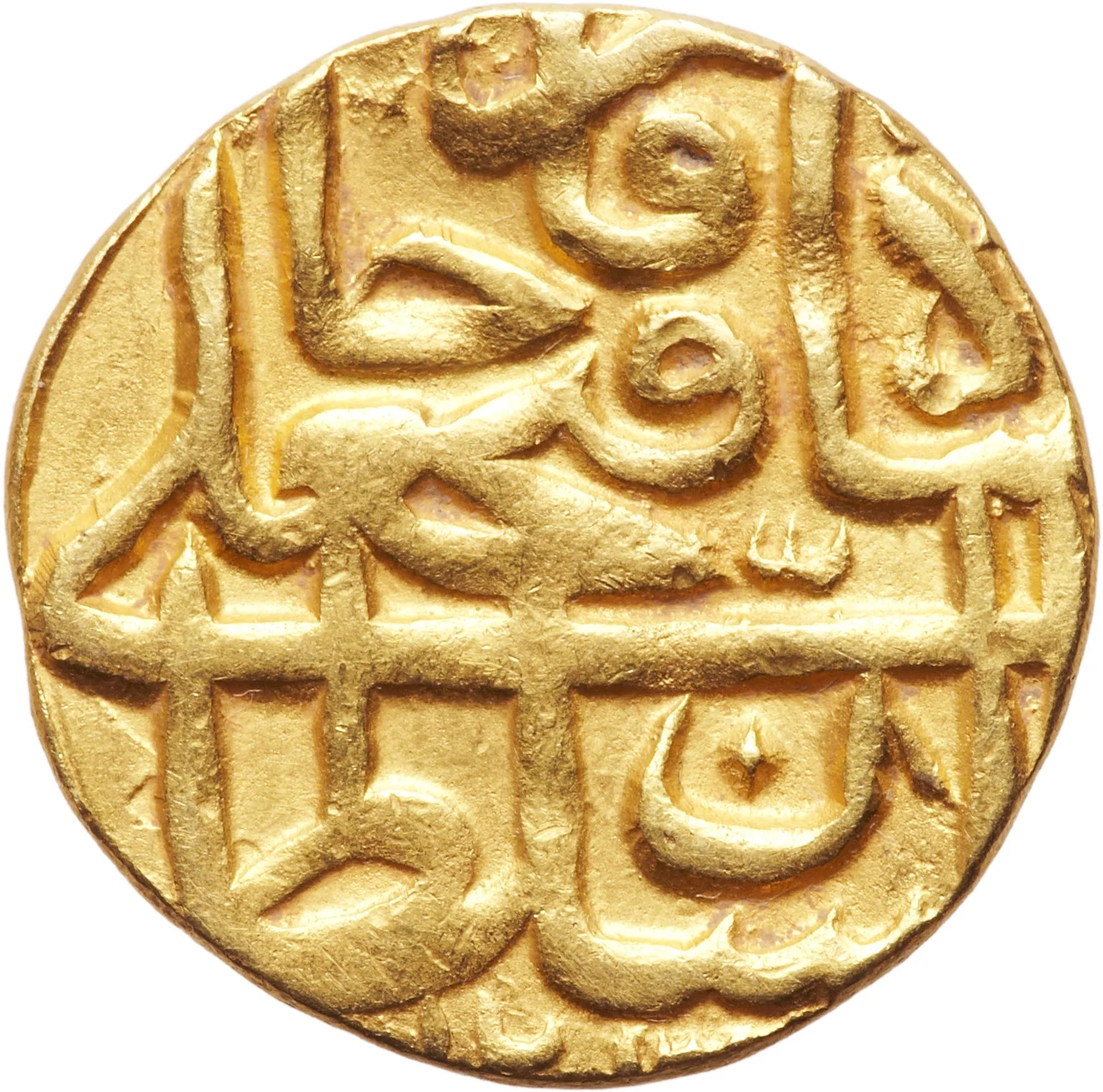
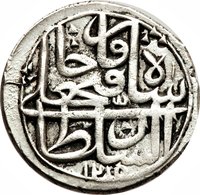
Reverse
Edge
Plain
Mints
| Name | Mark |
|---|---|
| Khoy | — |
Mintings
| Year | Mint Mark | Mintage | Quality | Collection |
|---|---|---|---|---|
| 1801 | — | — |
Historical background
In 1801, Iran was under the rule of the Qajar dynasty, with Fath-Ali Shah on the throne. The monetary system was a complex and fragmented bimetallic structure, inheriting centuries of instability. The primary units were the silver qiran (later the rial) and the gold toman (worth 10 qirans), but the actual currency in circulation was a bewildering array of domestic and foreign coins. These included silver abbasis and shahis, as well as a substantial influx of European coins like the Dutch ducat and Russian chervonets, which circulated freely due to their reliable silver and gold content. This lack of a standardized, state-controlled coinage created chronic confusion in trade and taxation.
The fundamental problem was a severe and chronic shortage of precious metals, particularly silver. Iran had limited domestic mining, and its chronic trade deficits—importing more Indian and European goods than it exported—drained specie from the country. This scarcity was exacerbated by the government's primitive minting technology and frequent debasement of coinage. Local khans and governors often operated their own mints, producing coins of varying weight and purity, which further eroded public trust in the currency and encouraged hoarding of full-weight coins.
Consequently, the monetary situation stifled economic development and weakened central authority. The lack of uniform currency complicated state revenue collection, as taxes were often paid in kind or in unreliable coin. Internal trade relied heavily on barter, especially in rural areas, while foreign merchants faced difficult exchange calculations. This unstable foundation contributed to broader fiscal weaknesses, limiting the Qajar state's ability to fund infrastructure or maintain a modern military, setting the stage for the financial pressures and foreign economic encroachments that would characterize the rest of the 19th century.
The fundamental problem was a severe and chronic shortage of precious metals, particularly silver. Iran had limited domestic mining, and its chronic trade deficits—importing more Indian and European goods than it exported—drained specie from the country. This scarcity was exacerbated by the government's primitive minting technology and frequent debasement of coinage. Local khans and governors often operated their own mints, producing coins of varying weight and purity, which further eroded public trust in the currency and encouraged hoarding of full-weight coins.
Consequently, the monetary situation stifled economic development and weakened central authority. The lack of uniform currency complicated state revenue collection, as taxes were often paid in kind or in unreliable coin. Internal trade relied heavily on barter, especially in rural areas, while foreign merchants faced difficult exchange calculations. This unstable foundation contributed to broader fiscal weaknesses, limiting the Qajar state's ability to fund infrastructure or maintain a modern military, setting the stage for the financial pressures and foreign economic encroachments that would characterize the rest of the 19th century.
✨ Legendary