

1 toman – Iran
Add to wishlist
Iran
Context
Years: 1850–1864
Issuer: Iran
Ruler: Naser al-Din Shah
Currency:
(1825—1932)
Demonetization: 1 May 1896
Material
References
KM: #
Numista: #61871
Value
Bullion value: $521.21
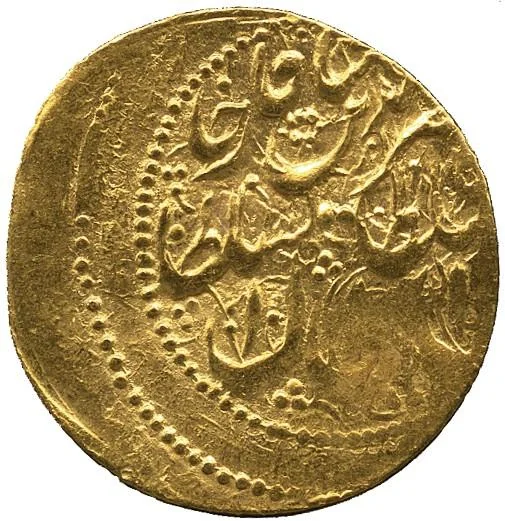
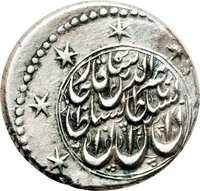
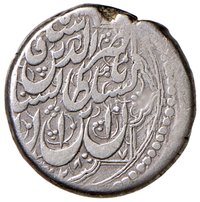
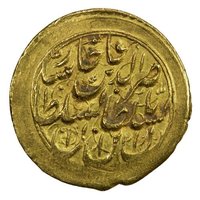
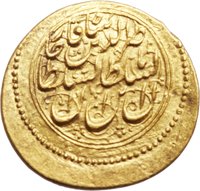
Obverse
Inscription:
السلطان ابن السلطان ناصرالدین شاه قاجار
Translation:
The Sultan, son of the Sultan, Naser al-Din Shah Qajar
Language: Arabic
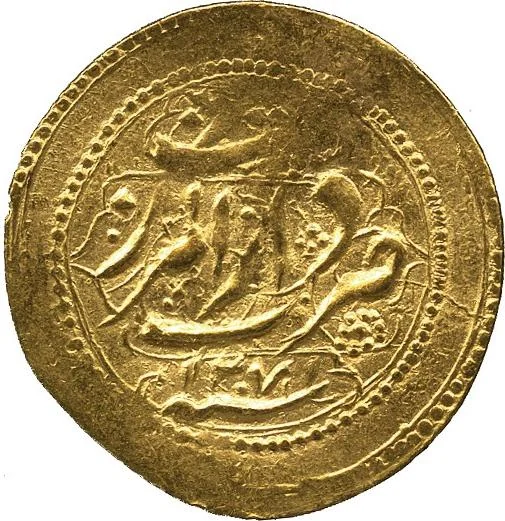
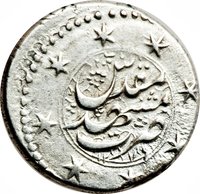
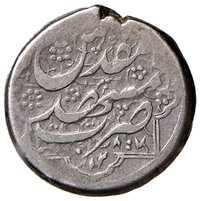
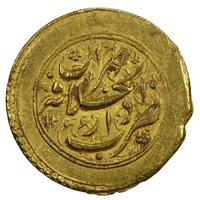
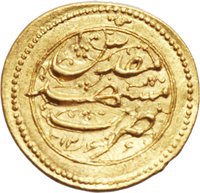
Reverse
Edge
Plain
Mintings
| Year | Mint Mark | Mintage | Quality | Collection |
|---|---|---|---|---|
| 1850 | — | — | ||
| 1851 | — | — | ||
| 1852 | — | — | ||
| 1853 | — | — | ||
| 1855 | — | — | ||
| 1856 | — | — | ||
| 1857 | — | — | ||
| 1858 | — | — | ||
| 1859 | — | — | ||
| 1860 | — | — | ||
| 1861 | — | — | ||
| 1862 | — | — | ||
| 1864 | — | — |
Historical background
In the mid-19th century, Iran's monetary system was characterized by profound chaos and complexity, a reflection of the Qajar dynasty's weak central authority and economic fragmentation. The country lacked a unified national currency; instead, a bewildering variety of gold, silver, and copper coins circulated, minted not only by the royal government in Tehran but also by provincial governors, major cities, and even powerful tribal khans. The most important unit was the silver qiran (also called kran), but its weight and purity varied significantly between regions, while the gold toman (worth 10 qirans) was primarily used for large transactions and state accounting. This lack of standardization crippled domestic trade and made financial transactions fraught with uncertainty.
Compounding this disarray was a severe shortage of precious metals, particularly silver, which drained from the country due to a chronic trade deficit with Europe and Russia. This scarcity led to the widespread debasement of coinage, where rulers reduced the silver content in new mintings to stretch their reserves, further eroding public trust. Concurrently, a flood of foreign currencies—especially Russian rubles, British Indian rupees, and Ottoman coins—circulated in border regions and major trading centers, often holding more stable value than local coinage. This monetary anarchy effectively ceded control of parts of the economy to foreign powers and undermined the sovereignty of the Qajar state.
The situation precipitated a slow-moving crisis for the government and economy. Revenue collection was immensely difficult as taxes, often stipulated in tomans, had to be collected in a medley of depreciated coins, causing constant shortfalls. The state's financial weakness limited its ability to fund infrastructure or a modern bureaucracy, perpetuating a cycle of underdevelopment. It was within this context of monetary dysfunction that later reformers, most notably Prime Minister Amir Kabir in the 1850s, recognized the urgent need for centralization and modernization, laying the early intellectual groundwork for the eventual establishment of Iran's first official state bank and a unified currency system decades later.
Compounding this disarray was a severe shortage of precious metals, particularly silver, which drained from the country due to a chronic trade deficit with Europe and Russia. This scarcity led to the widespread debasement of coinage, where rulers reduced the silver content in new mintings to stretch their reserves, further eroding public trust. Concurrently, a flood of foreign currencies—especially Russian rubles, British Indian rupees, and Ottoman coins—circulated in border regions and major trading centers, often holding more stable value than local coinage. This monetary anarchy effectively ceded control of parts of the economy to foreign powers and undermined the sovereignty of the Qajar state.
The situation precipitated a slow-moving crisis for the government and economy. Revenue collection was immensely difficult as taxes, often stipulated in tomans, had to be collected in a medley of depreciated coins, causing constant shortfalls. The state's financial weakness limited its ability to fund infrastructure or a modern bureaucracy, perpetuating a cycle of underdevelopment. It was within this context of monetary dysfunction that later reformers, most notably Prime Minister Amir Kabir in the 1850s, recognized the urgent need for centralization and modernization, laying the early intellectual groundwork for the eventual establishment of Iran's first official state bank and a unified currency system decades later.
Series: 1850 Iran circulation coins
✨ Legendary