

Obverse
Description:
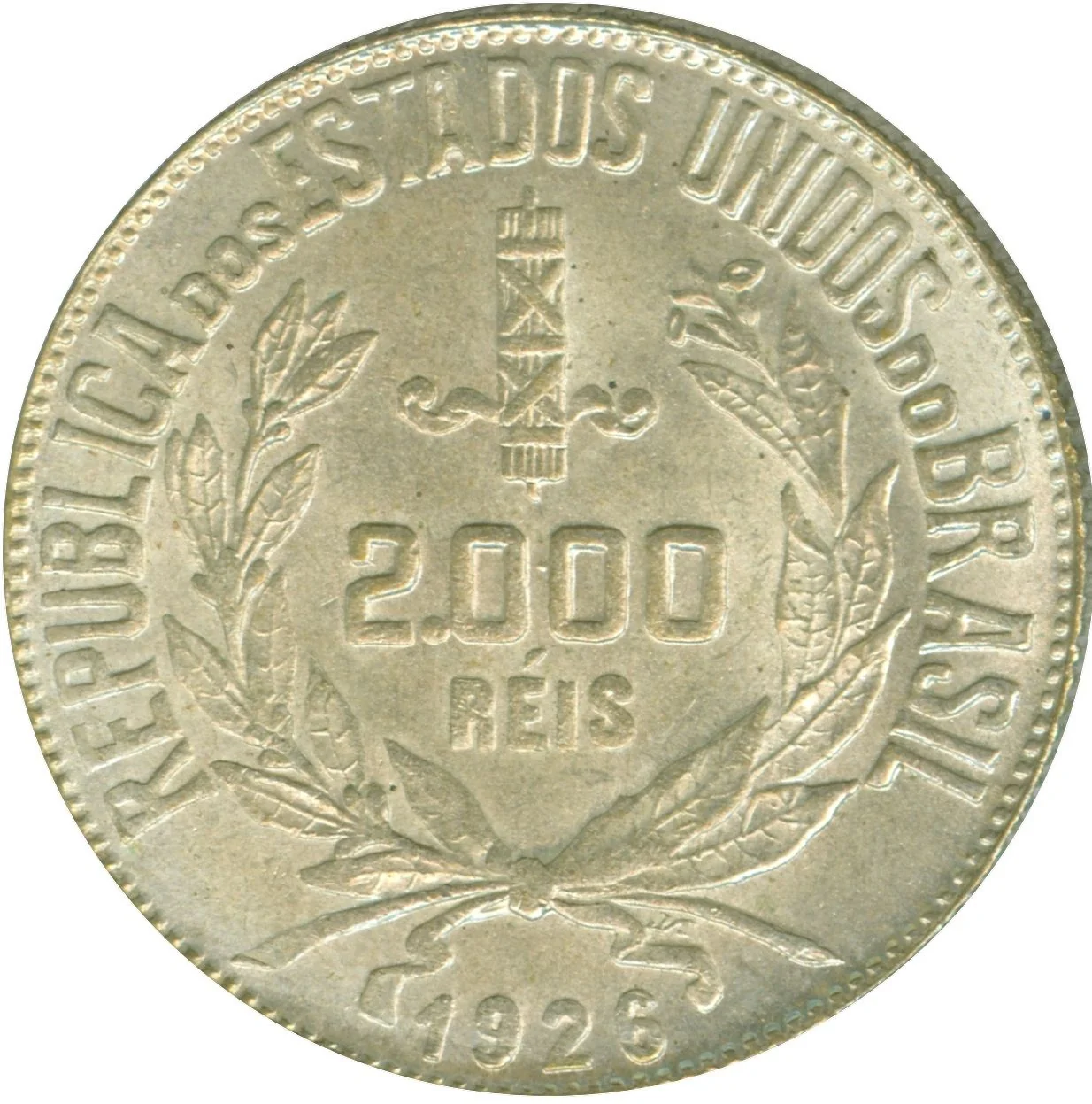
"2000 RÉIS" between coffee and tobacco branches, above a Consular Beam.
Inscription:
REPUBLICA DOS ESTADOS UNIDOS DO BRASIL
2000
RÉIS
1924
2000
RÉIS
1924
Translation:
REPUBLIC OF THE UNITED STATES OF BRAZIL
2000
REIS
1924
2000
REIS
1924
Script: Latin
Language: Portuguese
Reverse
Description:
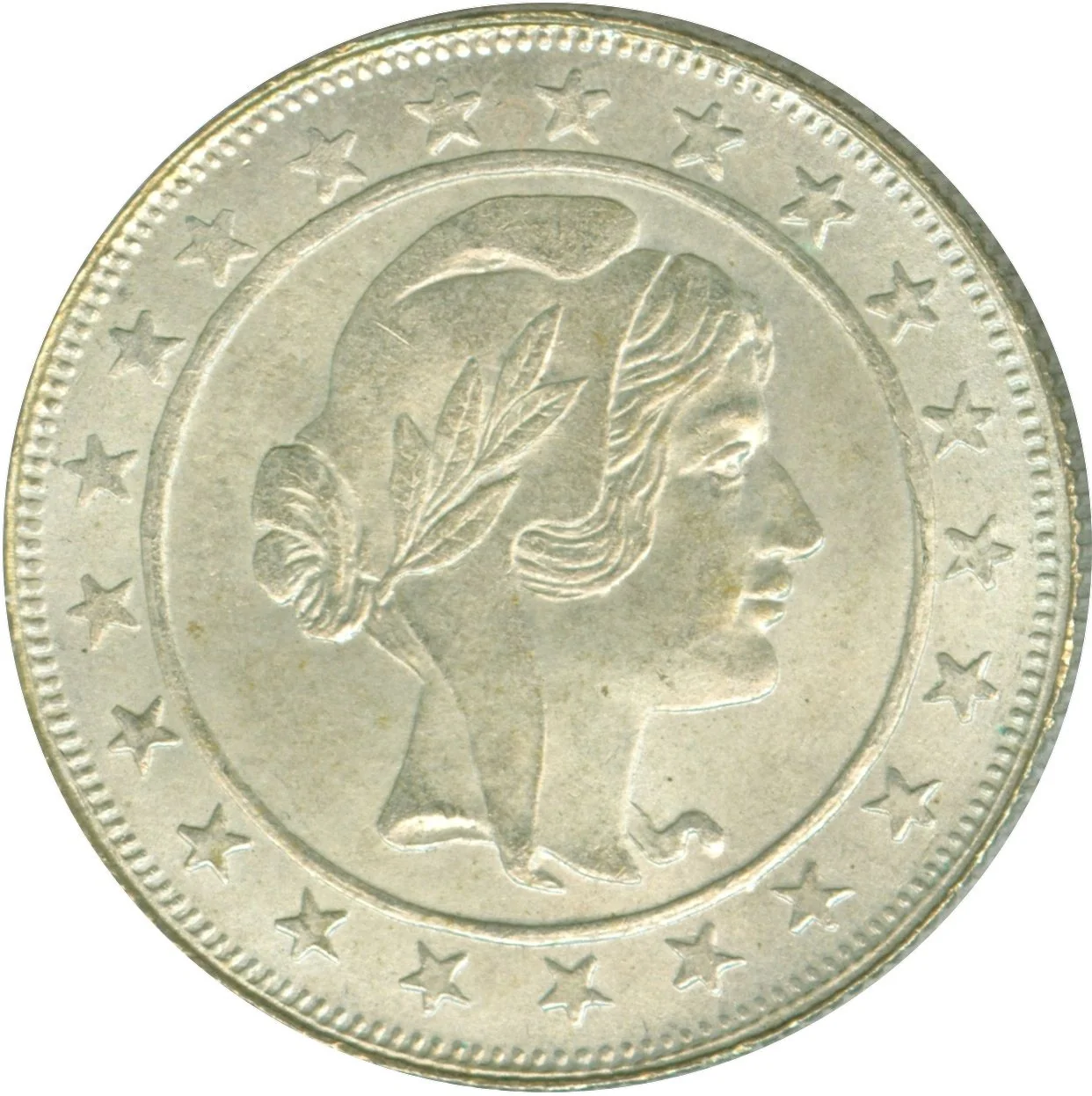
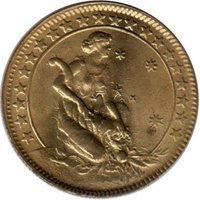
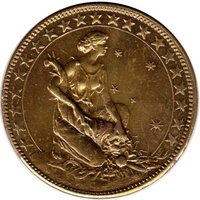
A female Republic in a circle, wearing a Phrygian cap with laurels, encircled by 21 stars for the states.
Edge
Reeded
Categories
| Symbol> Allegory |
| Symbol> Phrygian cap |
Mints
| Name | Mark |
|---|---|
| Casa da Moeda do Brasil | — |
Mintings
| Year | Mint Mark | Mintage | Quality | Collection |
|---|---|---|---|---|
| 1924 | — | 9,147,000 | ||
| 1925 | — | 723,000 | ||
| 1926 | — | 1,787,000 | ||
| 1927 | — | 1,008,999 | ||
| 1928 | — | 1,250,000 | ||
| 1929 | — | 1,744,000 | ||
| 1930 | — | 1,240,000 | ||
| 1931 | — | 546,000 | ||
| 1934 | — | 938,000 |
Historical background
In 1924, Brazil's currency situation was characterized by profound instability and inflationary pressures, a legacy of the financial policies of the early Republic. The country was operating under the mil-réis and was still grappling with the aftermath of the "Encilhamento" period of the 1890s, a speculative bubble that had left a lasting impact of currency depreciation and debt. While the 1906 Taubaté Agreement had attempted to stabilize coffee prices and, by extension, the economy, fiscal discipline remained elusive. The federal and state governments, particularly São Paulo, frequently resorted to printing money to cover deficits and finance infrastructure, leading to a steady decline in the currency's value and eroding public confidence.
This monetary instability was exacerbated by the political turmoil of the 1920s, most notably the tenente rebellions. The 1924 Revolt in São Paulo, led by reformist military officers, saw the city bombarded and occupied for weeks, causing massive economic disruption. The rebellion disrupted coffee exports—the primary source of foreign exchange—and further strained government finances as federal troops were mobilized to suppress the uprisings. This political crisis directly undermined any efforts toward currency stabilization, as investors fled and the cost of suppressing the revolt was largely met through further monetary expansion.
Consequently, 1924 stood as a point of accelerating crisis within a longer period of monetary disorder that would only be decisively addressed years later. The continuous issue of paper money without sufficient gold backing led to a sharp divergence between the official and market exchange rates, harming foreign trade and investment. This environment of persistent inflation and devaluation set the stage for the eventual reforms of Getúlio Vargas in the early 1930s, which would ultimately retire the mil-réis and create the Bank of Brazil as the central monetary authority, seeking to impose the control that was so conspicuously absent in 1924.
This monetary instability was exacerbated by the political turmoil of the 1920s, most notably the tenente rebellions. The 1924 Revolt in São Paulo, led by reformist military officers, saw the city bombarded and occupied for weeks, causing massive economic disruption. The rebellion disrupted coffee exports—the primary source of foreign exchange—and further strained government finances as federal troops were mobilized to suppress the uprisings. This political crisis directly undermined any efforts toward currency stabilization, as investors fled and the cost of suppressing the revolt was largely met through further monetary expansion.
Consequently, 1924 stood as a point of accelerating crisis within a longer period of monetary disorder that would only be decisively addressed years later. The continuous issue of paper money without sufficient gold backing led to a sharp divergence between the official and market exchange rates, harming foreign trade and investment. This environment of persistent inflation and devaluation set the stage for the eventual reforms of Getúlio Vargas in the early 1930s, which would ultimately retire the mil-réis and create the Bank of Brazil as the central monetary authority, seeking to impose the control that was so conspicuously absent in 1924.
🌱 Very Common