

1 dollar (Queen Mother's birth) – Solomon Islands
Add to wishlist
Non-circulating coins
Commemoration: 95th Anniversary of the Birth of the Queen Mother
Solomon Islands
Context
Year: 1995
Issuer: Solomon Islands
Issuing organization: MDM
Ruler: Elizabeth II
Currency:
(since 1977)
Total mintage: 30,000
Material
Diameter: 38.61 mm
Weight: 28.28 g
Shape: Round
Composition: Copper-nickel
Technique: Milled
Alignment: Medal alignment
flip
References
KM: #
Numista: #60545
Value
Exchange value: 1 SBD
Obverse
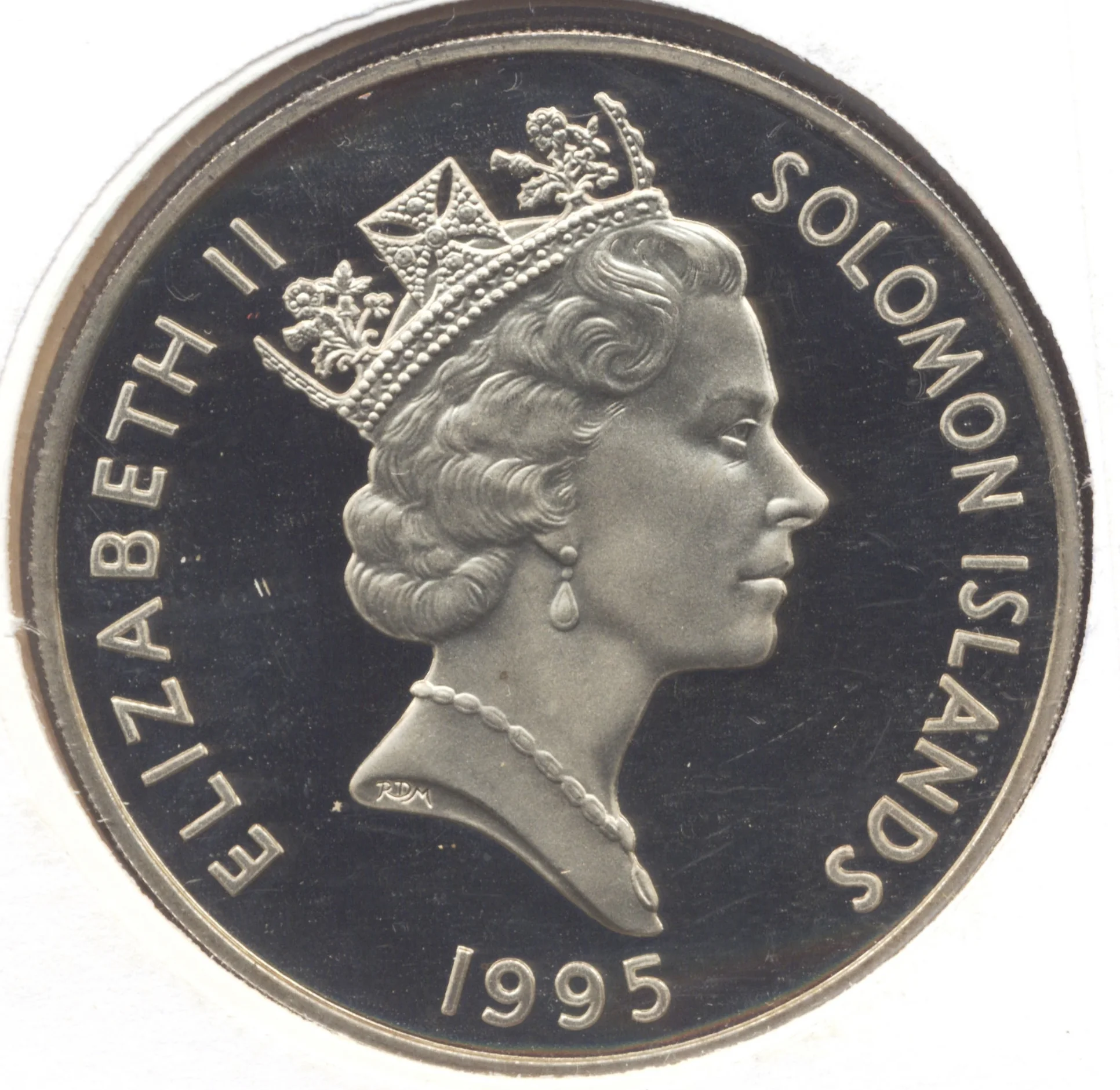
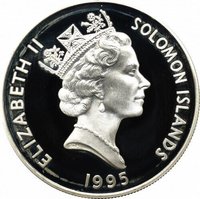
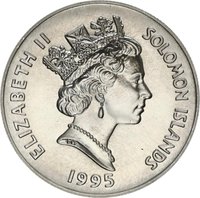
Description:
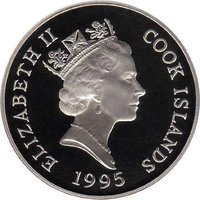
Queen's portrait
Inscription:
ELIZABETH II SOLOMON ISLANDS
1995
1995
Translation:
ELIZABETH II SOLOMON ISLANDS
1995
1995
Script: Latin
Engraver: Raphael David Maklouf
Reverse
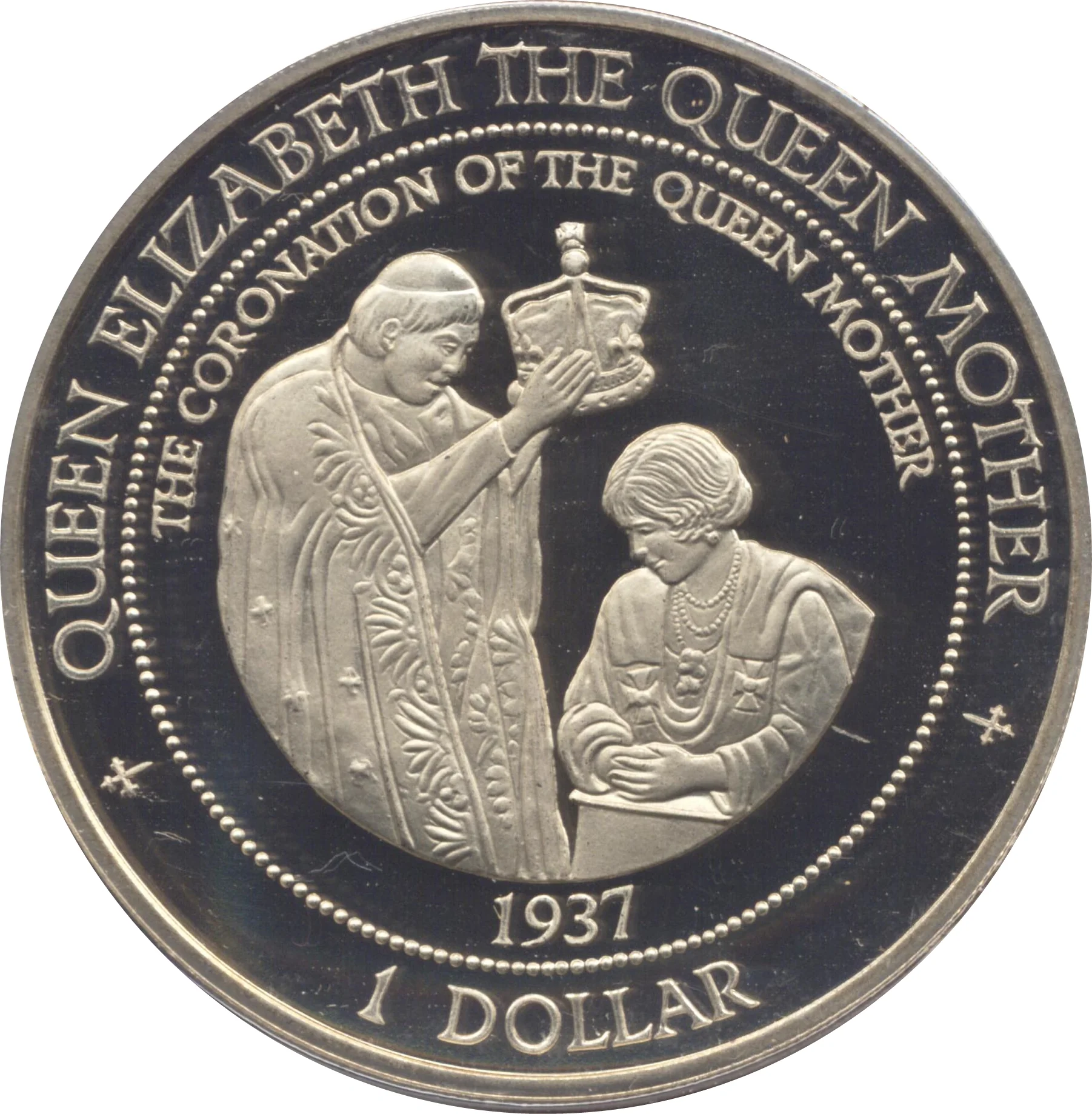
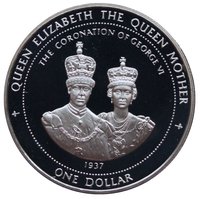
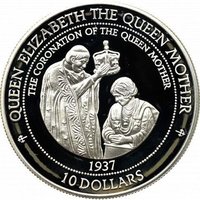
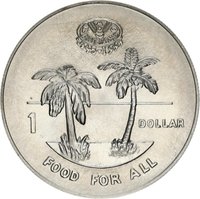
Description:
Crowning of a monarch.
Inscription:
QUEEN ELIZABETH THE QUEEN MOTHER
THE CORONATION OF THE QUEEN MOTHER
1937
1 DOLLAR
THE CORONATION OF THE QUEEN MOTHER
1937
1 DOLLAR
Script: Latin
Edge
Milled
Categories
| Event> Coronation |
Mintings
| Year | Mint Mark | Mintage | Quality | Collection |
|---|---|---|---|---|
| 1995 | — | 30,000 | Proof |
Historical background
In 1995, the currency situation in Solomon Islands was defined by the exclusive use of the Solomon Islands dollar (SBD), which had been the nation's independent currency since 1977 following independence from Britain. The currency was, and remains, managed by the Central Bank of Solomon Islands (CBSI). During this period, the SBD was a freely floating currency, but in practice, the CBSI maintained a managed float, frequently intervening in the foreign exchange market to stabilize the exchange rate against a basket of major trading partner currencies, primarily the Australian dollar, which was historically a key reference point.
The mid-1990s presented a period of relative economic stability preceding the severe ethnic tensions and civil conflict that would erupt later in the decade. The economy was heavily dependent on exports of timber, fish, and palm oil, making the currency vulnerable to fluctuations in global commodity prices. While specific 1995 data is scarce, the general trend through the early and mid-1990s was one of gradual depreciation of the SBD against major currencies, driven by trade deficits and the challenges of a small, vulnerable economy. Inflation was a persistent concern, often running in the high single digits, influenced by both domestic demand and the cost of imported goods.
Overall, the 1995 currency environment was characterized by cautious management from the central bank aimed at supporting economic growth and maintaining foreign reserves. There were no dramatic devaluations or currency crises that year, unlike the periods immediately before or after. However, the structural weaknesses of the export-dependent economy meant the Solomon Islands dollar faced ongoing pressure, setting the stage for the more severe economic and currency challenges that would emerge with the onset of civil unrest in 1998-1999.
The mid-1990s presented a period of relative economic stability preceding the severe ethnic tensions and civil conflict that would erupt later in the decade. The economy was heavily dependent on exports of timber, fish, and palm oil, making the currency vulnerable to fluctuations in global commodity prices. While specific 1995 data is scarce, the general trend through the early and mid-1990s was one of gradual depreciation of the SBD against major currencies, driven by trade deficits and the challenges of a small, vulnerable economy. Inflation was a persistent concern, often running in the high single digits, influenced by both domestic demand and the cost of imported goods.
Overall, the 1995 currency environment was characterized by cautious management from the central bank aimed at supporting economic growth and maintaining foreign reserves. There were no dramatic devaluations or currency crises that year, unlike the periods immediately before or after. However, the structural weaknesses of the export-dependent economy meant the Solomon Islands dollar faced ongoing pressure, setting the stage for the more severe economic and currency challenges that would emerge with the onset of civil unrest in 1998-1999.

💎 Extremely Rare