

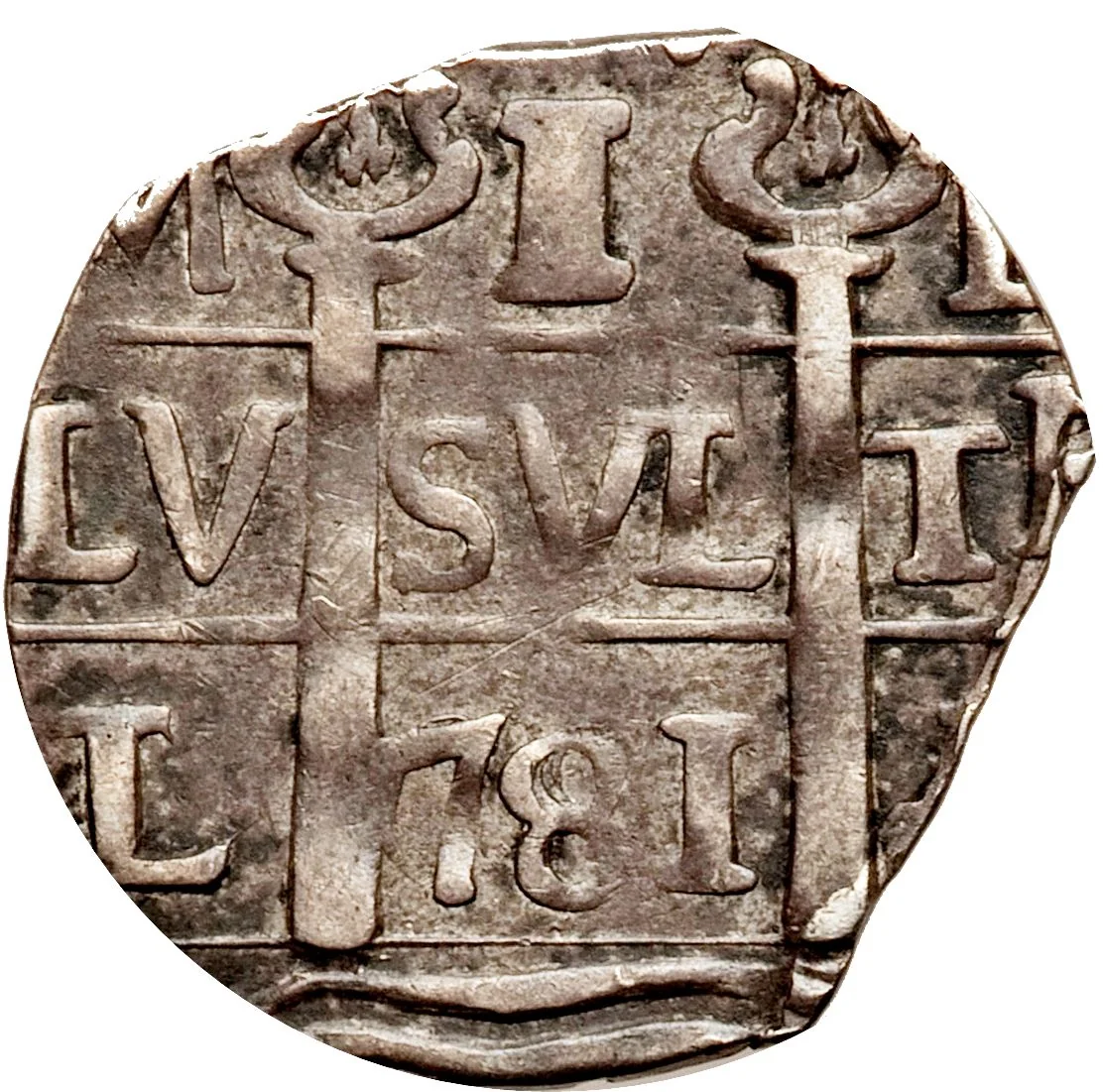
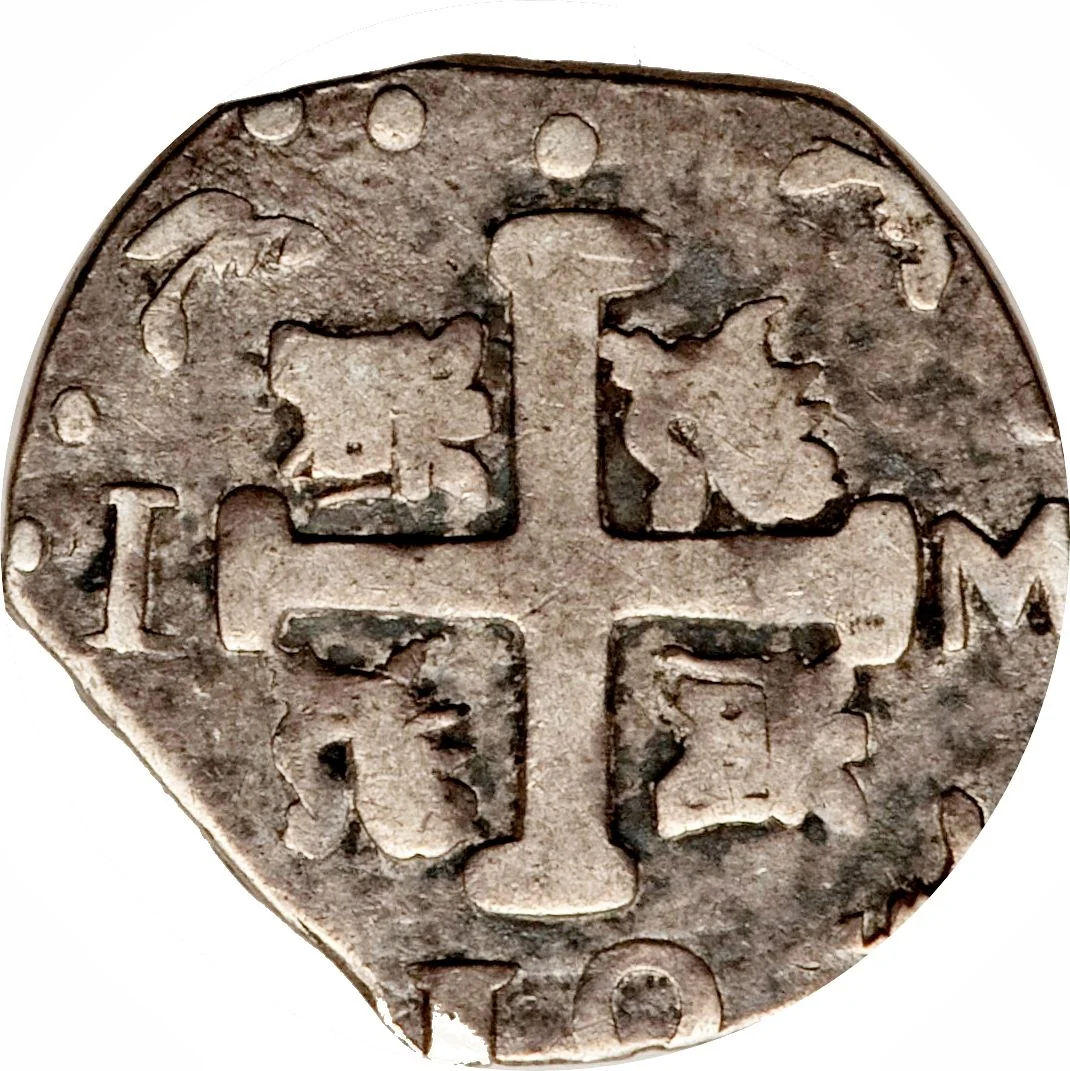
1 Real – Caracas
Venezuela
Mintings
| Year | Mint Mark | Mintage | Quality | Collection |
|---|---|---|---|---|
| — | 781 | — | ||
| — | 931 | — | ||
| 1812 | 182 | — | ||
| — | 421 | — | ||
| — | 721 | — |
Historical background
In 1802, Caracas operated within the complex monetary landscape of the Spanish Empire, characterized by a chronic shortage of official coinage. The Captaincy General of Venezuela's economy was primarily agricultural, driven by cacao, indigo, and tobacco exports, but the royal treasury seldom supplied sufficient reales de plata (silver reales) to facilitate local trade. This scarcity led to a reliance on a patchwork of foreign coins that circulated legally and by necessity, including Spanish American pesos from Mexico and Peru, and even coins from other European empires like the French écu and Portuguese johannes. The official unit of account was the peso, divided into 8 reales, but the physical money in hand was a heterogeneous mix.
The situation was further complicated by the widespread use of moneda macuquina—crudely cut and hammered cob coins from Spanish American mints. While officially valued by their weight and fineness, these irregular coins were often clipped or debased, leading to disputes in commerce. To bring order, merchants and officials frequently had to resort to assaying and stamping coins to verify their acceptability, a process that added friction to daily transactions. Furthermore, the colony suffered from the persistent drain of silver to Europe to pay for imported manufactured goods, exacerbating the local shortage.
This unstable monetary environment created significant challenges for Caracas's growing merchant class and plantation owners. Transactions often required complex negotiations over the provenance and quality of each coin, and credit instruments like bills of exchange became crucial for larger commercial dealings. The Crown's mercantilist policies, which limited trade to Spain and its allies, stifled economic efficiency and made it difficult to secure a stable currency supply. This financial friction, part of the broader administrative and economic constraints of the colonial system, contributed to the growing discontent among the Venezuelan elite that would, within a decade, fuel the first movements toward independence.
The situation was further complicated by the widespread use of moneda macuquina—crudely cut and hammered cob coins from Spanish American mints. While officially valued by their weight and fineness, these irregular coins were often clipped or debased, leading to disputes in commerce. To bring order, merchants and officials frequently had to resort to assaying and stamping coins to verify their acceptability, a process that added friction to daily transactions. Furthermore, the colony suffered from the persistent drain of silver to Europe to pay for imported manufactured goods, exacerbating the local shortage.
This unstable monetary environment created significant challenges for Caracas's growing merchant class and plantation owners. Transactions often required complex negotiations over the provenance and quality of each coin, and credit instruments like bills of exchange became crucial for larger commercial dealings. The Crown's mercantilist policies, which limited trade to Spain and its allies, stifled economic efficiency and made it difficult to secure a stable currency supply. This financial friction, part of the broader administrative and economic constraints of the colonial system, contributed to the growing discontent among the Venezuelan elite that would, within a decade, fuel the first movements toward independence.
Series: 1802 Caracas circulation coins
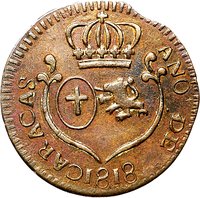
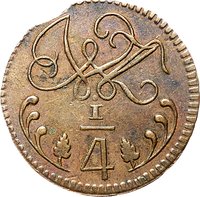
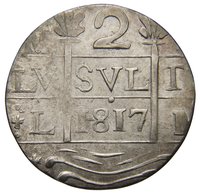
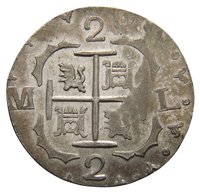
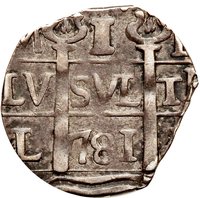
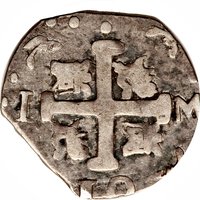
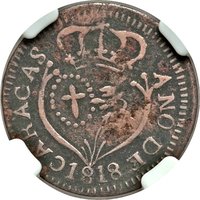
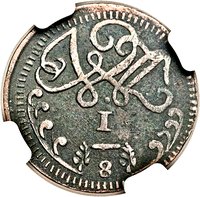
✨ Legendary