

20 Dinars – Algeria
Algeria
Context
Years: 1992–2024
Issuer: Algeria 
Issuing organization: Bank of Algeria
Period:
(since 1962)
Currency:
(since 1964)
Material

References
KM: #Click to copy to clipboard125
Numista: #596
Value
Exchange value: 20 DZD
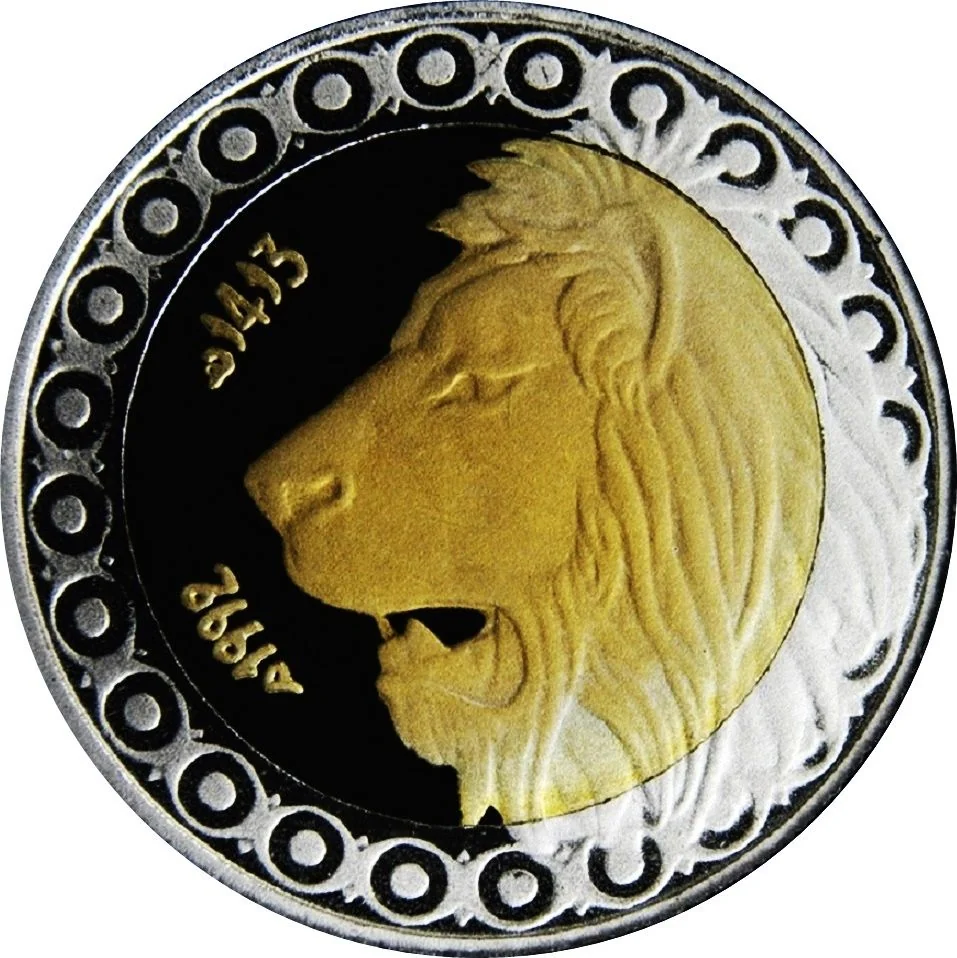
Obverse
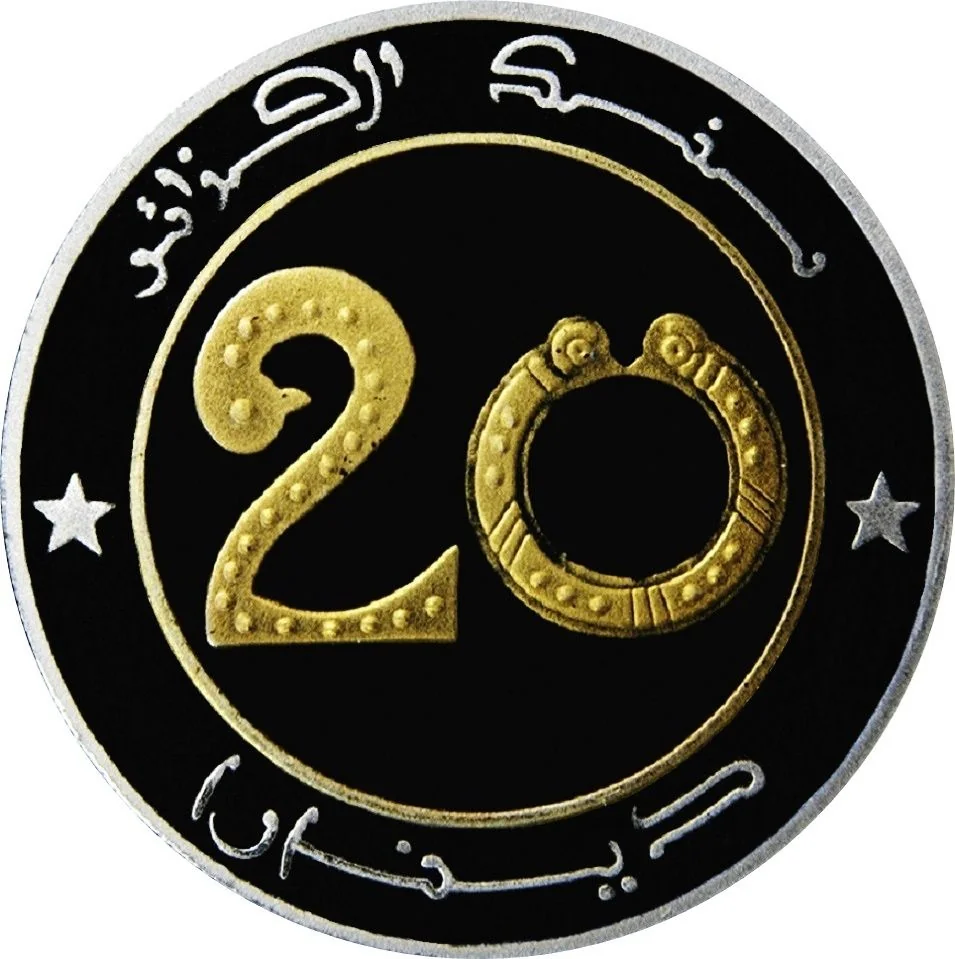
Reverse
Description:
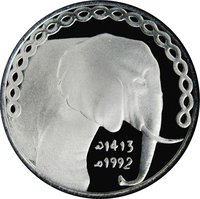
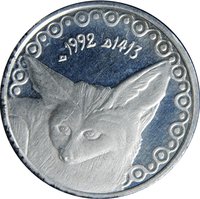
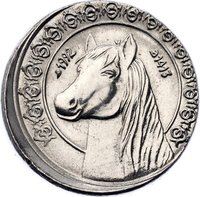
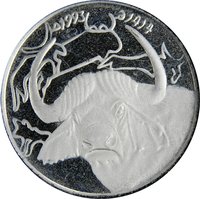
Barbary lion head left, dual Gregorian and Islamic dates, stylized outer ring pattern.
Inscription:
1992 1413
Script: Latin
Edge
Plain
Mints
| Name | Mark |
|---|---|
| Algiers | — |
Mintings
| Year | Mint Mark | Mintage | Quality | Collection |
|---|---|---|---|---|
| 1992 | — | — | ||
| 1992 | — | — | Proof | |
| 1993 | — | — | ||
| 1996 | — | — | ||
| 1997 | — | — | ||
| 1997 | — | — | Proof | |
| 1998 | — | — | ||
| 1998 | — | — | Proof | |
| 1999 | — | — | ||
| 2000 | — | — | Proof | |
| 2000 | — | — | ||
| 2000 | — | — | ||
| 2004 | — | — | ||
| 2004 | — | — | Proof | |
| 2005 | — | — | ||
| 2006 | — | — | ||
| 2007 | — | — | ||
| 2009 | — | — | ||
| 2010 | — | — | ||
| 2011 | — | — | ||
| 2012 | — | — | ||
| 2013 | — | — | ||
| 2014 | — | — | ||
| 2015 | — | — | ||
| 2016 | — | — | ||
| 2017 | — | — | ||
| 2018 | — | — | ||
| 2019 | — | — | ||
| 2020 | — | — | ||
| 2021 | — | — | ||
| 2023 | — | — | ||
| 2024 | — | — |
Historical background
In 1992, Algeria's currency situation was characterized by severe strain and transition, deeply intertwined with a profound political and economic crisis. The country was reeling from the aftermath of the 1988 riots and the subsequent cancellation of the 1991 elections, which plunged it into a violent civil conflict. Economically, this period followed a failed attempt at state-led industrialization and the collapse of global oil prices in the 1980s, which devastated the hydrocarbon-dependent economy. Consequently, Algeria faced a massive external debt burden, dwindling foreign exchange reserves, and a critical balance of payments deficit, placing intense pressure on the national currency, the Algerian dinar (DZD).
The government's response was a rigorous adherence to an International Monetary Fund (IMF) structural adjustment program agreed upon in 1989. This program mandated austerity measures, the liberalization of foreign trade, and a move towards a more market-determined exchange rate. Prior to this, the dinar was subject to a complex multi-tiered official exchange rate system. Throughout 1992, authorities were actively unifying these rates and devaluing the currency to align it with market realities, a painful but necessary step to boost non-hydrocarbon exports and secure further IMF financing. This devaluation contributed to high inflation and eroded purchasing power for ordinary Algerians.
Therefore, the currency situation in 1992 was not an isolated monetary event but a reflection of a state in crisis. The dinar's value was fundamentally weakened by structural economic weaknesses and political instability, while its management was dictated by the exigencies of international debt negotiation and a shift away from a socialist economic model. The austerity and devaluation exacerbated social hardships during a period of already extreme tension, making the currency a key indicator of the country's broader struggle for stability.
The government's response was a rigorous adherence to an International Monetary Fund (IMF) structural adjustment program agreed upon in 1989. This program mandated austerity measures, the liberalization of foreign trade, and a move towards a more market-determined exchange rate. Prior to this, the dinar was subject to a complex multi-tiered official exchange rate system. Throughout 1992, authorities were actively unifying these rates and devaluing the currency to align it with market realities, a painful but necessary step to boost non-hydrocarbon exports and secure further IMF financing. This devaluation contributed to high inflation and eroded purchasing power for ordinary Algerians.
Therefore, the currency situation in 1992 was not an isolated monetary event but a reflection of a state in crisis. The dinar's value was fundamentally weakened by structural economic weaknesses and political instability, while its management was dictated by the exigencies of international debt negotiation and a shift away from a socialist economic model. The austerity and devaluation exacerbated social hardships during a period of already extreme tension, making the currency a key indicator of the country's broader struggle for stability.
Series: 1992 Algeria circulation coins



🌱 Very Common