

10 yuan – People's Republic of China
Add to wishlist
Non-circulating coins
Commemoration: 1992 Summer Olympics, Barcelona
Series: 1992 Summer Olympics, Barcelona
China
Context
Year: 1990
Country: China
Issuer: People's Republic of China
Period:
(since 1949)
Currency:
(since 1955)
Total mintage: 30,000
Material
References
KM: #
Numista: #59254
Value
Exchange value: 10 CNY
Bullion value: $65.71
Inflation-adjusted value: 33.58 CNY
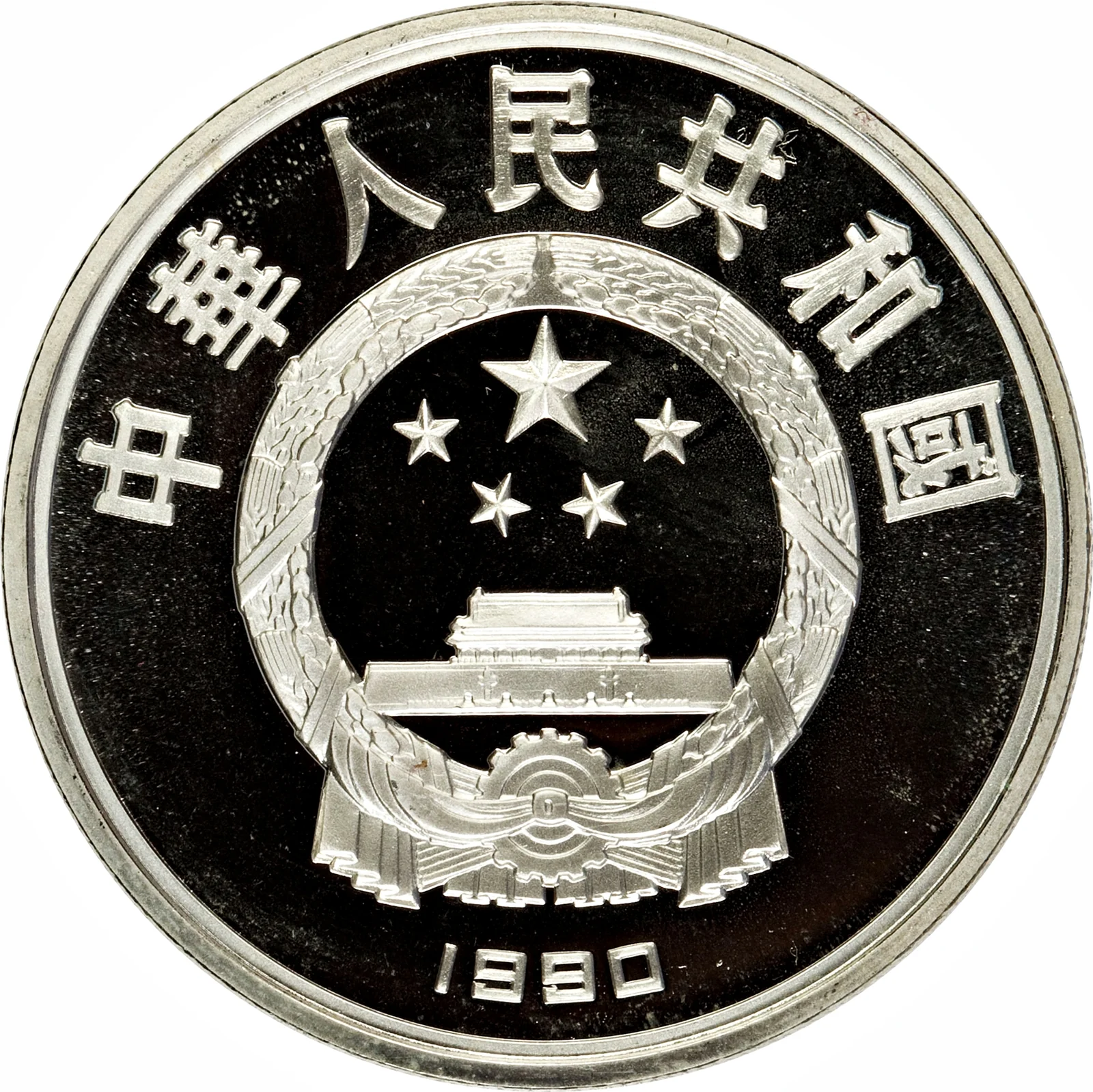
Obverse
Description:
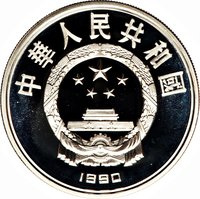
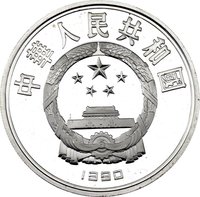
National emblem with date beneath.
Inscription:
中華人民共和國
1990
1990
Translation:
The People's Republic of China
1990
1990
Language: Chinese
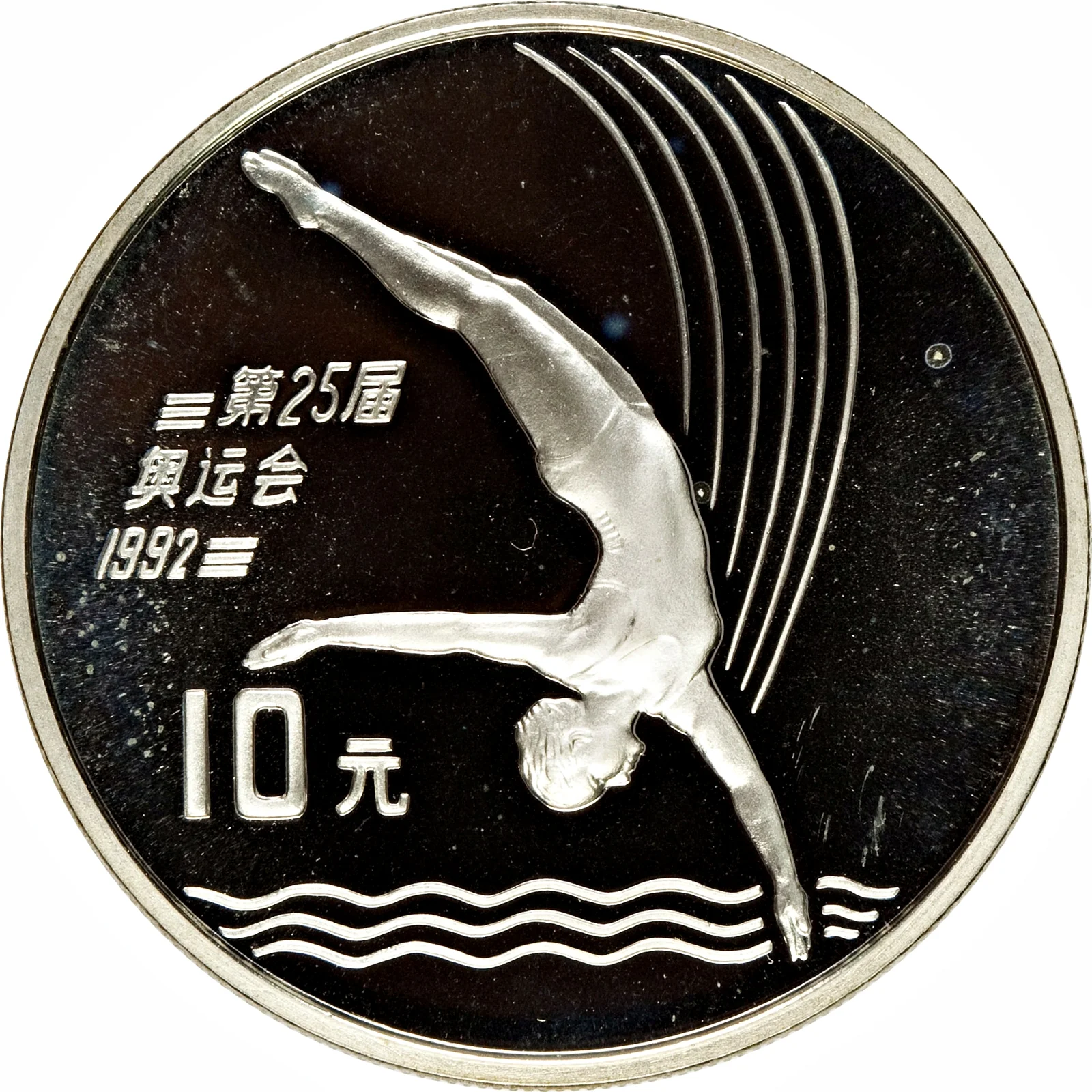
Reverse
Description:
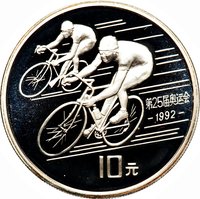
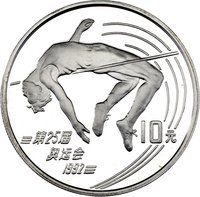
Platform diver, denomination lower left.
Inscription:
≡第25届
奥运会
1992≡
10元
奥运会
1992≡
10元
Translation:
Twenty-fifth Olympic Games 1992;
Ten Yuan
Ten Yuan
Language: Chinese
Edge
Reeded
Categories
| Sport> Summer Olympic Games |
Mintings
| Year | Mint Mark | Mintage | Quality | Collection |
|---|---|---|---|---|
| 1990 | — | 30,000 | Proof |
Historical background
In 1990, the People's Republic of China operated under a complex dual-track currency system, a legacy of its gradualist economic reforms that began in the late 1970s. The official currency, the Renminbi (RMB), existed in two distinct forms: the Renminbi itself for domestic circulation and the Foreign Exchange Certificate (FEC), introduced in 1980 for use by foreign visitors and in designated shops. This system created a de facto multi-tiered exchange rate regime, with an official government rate (around 4.7 RMB to 1 USD in 1990) that was overvalued, and a more market-driven swap centre rate (closer to 5.8) used for trade, alongside a thriving black market. The goal was to control foreign exchange, attract hard currency, and shield the domestic economy from external shocks while slowly opening up.
Economically, 1990 was a year of stabilization following the austerity measures and political turmoil of 1989. Inflation, which had soared to over 18% in 1988, was brought under control through tight credit policies, but at the cost of a sharp slowdown known as the "hard landing." The currency controls were a critical tool in this stabilization, preventing capital flight and maintaining a stable external value for the RMB despite internal economic pressures. However, the system was inherently inefficient, fostering corruption, distorting trade, and creating significant inconvenience, as foreigners and Chinese citizens navigated separate monetary spheres for different transactions.
The situation in 1990 represented a pivotal, transitional phase. While the dual-track system provided stability during a sensitive period, its contradictions were becoming increasingly apparent as China sought deeper integration into the global economy. The pressures for reform were mounting, setting the stage for the major unification of exchange rates in 1994, which abolished the FEC and aligned the official and market rates. Thus, the currency regime of 1990 was not a static policy but a carefully managed, albeit cumbersome, mechanism for navigating the tensions between planned and market elements during a critical decade of transformation.
Economically, 1990 was a year of stabilization following the austerity measures and political turmoil of 1989. Inflation, which had soared to over 18% in 1988, was brought under control through tight credit policies, but at the cost of a sharp slowdown known as the "hard landing." The currency controls were a critical tool in this stabilization, preventing capital flight and maintaining a stable external value for the RMB despite internal economic pressures. However, the system was inherently inefficient, fostering corruption, distorting trade, and creating significant inconvenience, as foreigners and Chinese citizens navigated separate monetary spheres for different transactions.
The situation in 1990 represented a pivotal, transitional phase. While the dual-track system provided stability during a sensitive period, its contradictions were becoming increasingly apparent as China sought deeper integration into the global economy. The pressures for reform were mounting, setting the stage for the major unification of exchange rates in 1994, which abolished the FEC and aligned the official and market rates. Thus, the currency regime of 1990 was not a static policy but a carefully managed, albeit cumbersome, mechanism for navigating the tensions between planned and market elements during a critical decade of transformation.
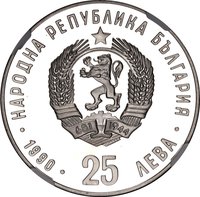
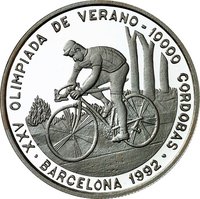
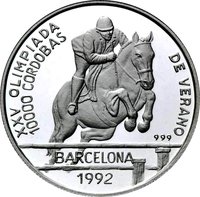
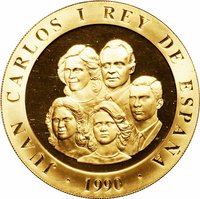
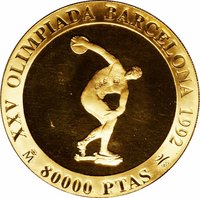
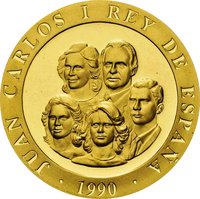
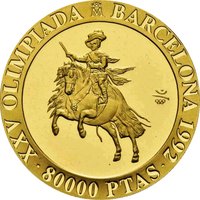
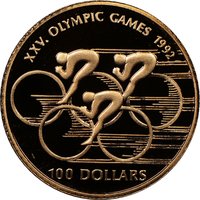
Series: 1992 Summer Olympics, Barcelona




⭐ Rare