

1 toman – Iran
Add to wishlist
Iran
Context
Year: 1825
Islamic (Hijri) Year:: 1240
Issuer: Iran
Ruler: Fath-Ali Shah
Currency:
(1825—1932)
Demonetized: Yes
References
KM: #
Numista: #57950
Value
Bullion value: $711.11
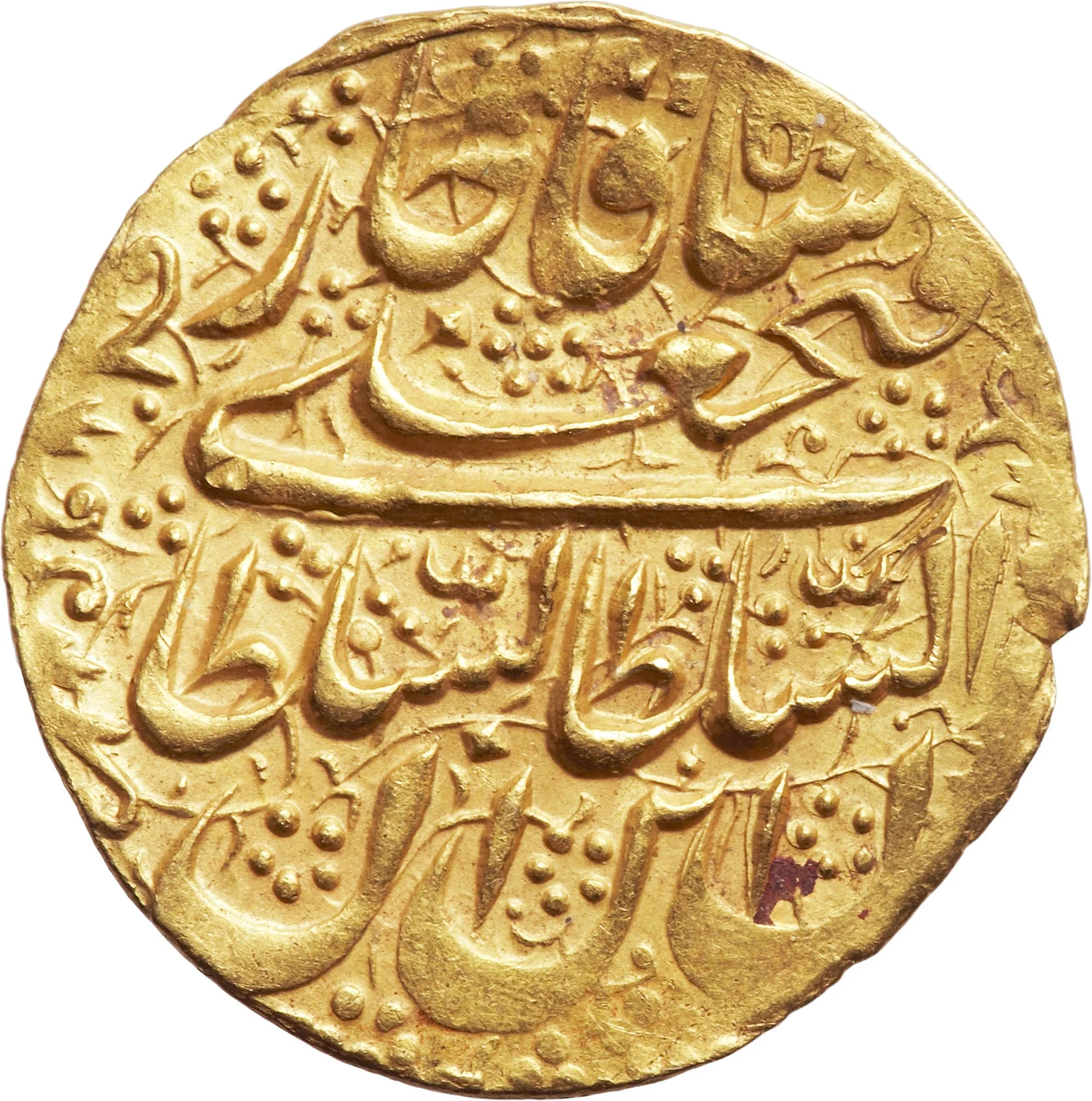
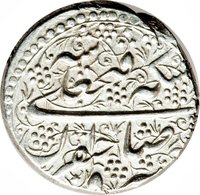
Obverse
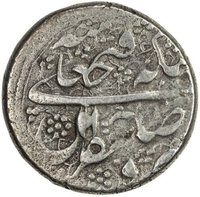
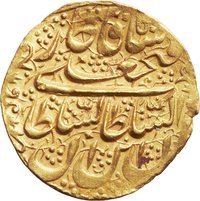
Inscription:
السّلطان ابن السّلطان
فتحعلی شاه قاجار
فتحعلی شاه قاجار
Translation:
The Sultan, son of the Sultan, Fath-Ali Shah Qajar
Language: Arabic
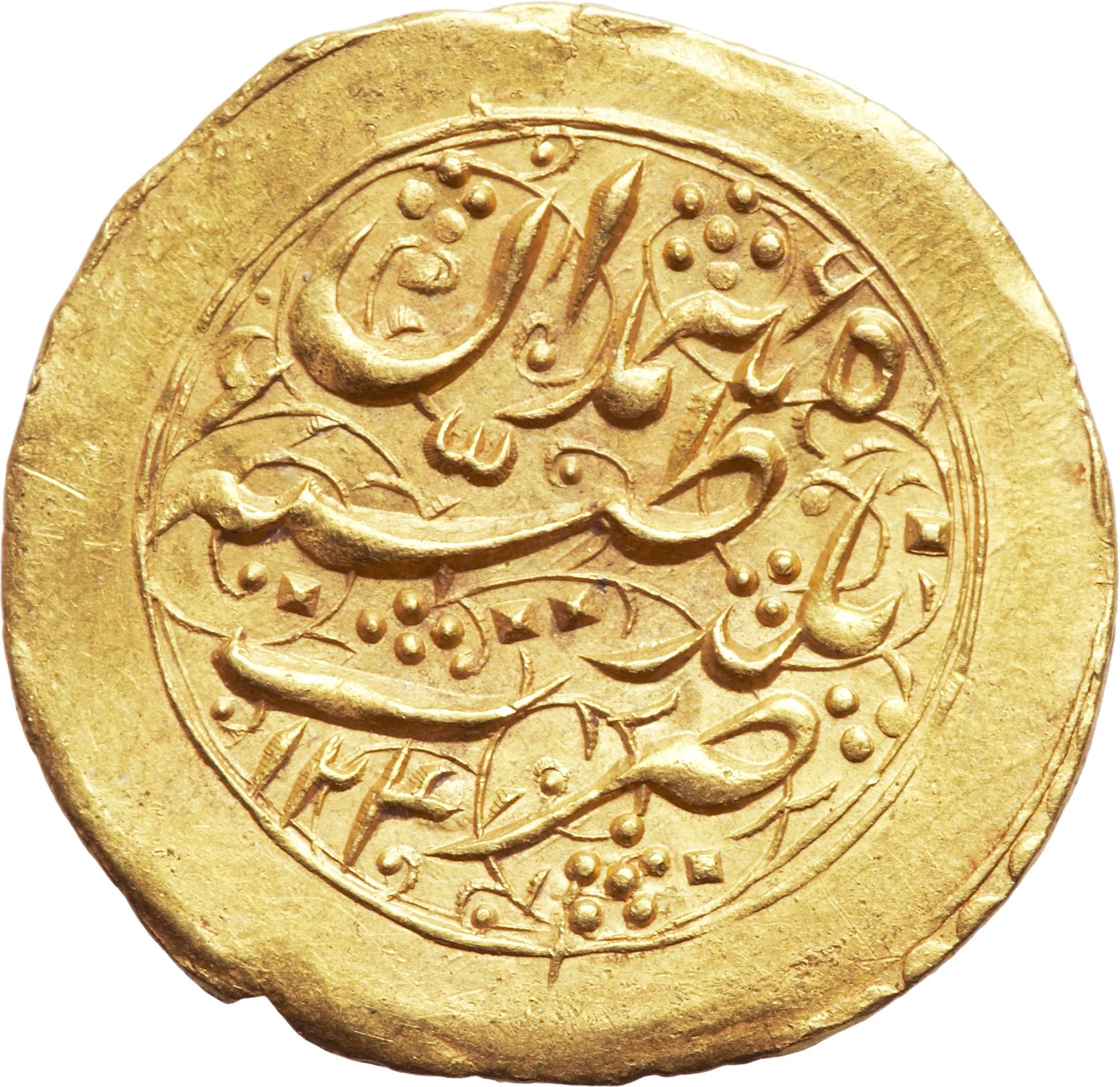
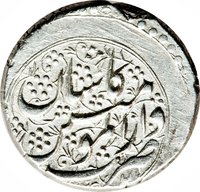
Reverse
Edge
Plain
Mintings
| Year | Mint Mark | Mintage | Quality | Collection |
|---|---|---|---|---|
| 1825 | — | — |
Historical background
In 1825, Iran’s monetary system was characterized by profound instability and decentralization, a legacy of prolonged political turmoil. The Qajar dynasty, under Fath-Ali Shah, ruled a fragmented empire where provincial khans and tribal leaders often operated with significant autonomy. This political fragmentation was mirrored in the currency system, with royal mints in major cities like Tabriz, Isfahan, and Tehran producing coins of inconsistent weight and purity, while numerous local authorities also issued their own coinage. The primary unit was the silver qiran (later rial), but its value in relation to the copper shahi and gold toman was highly volatile and varied by region.
The economy was further strained by the costs of maintaining the royal court, military campaigns, and payments to unruly tribes. A critical drain on silver specie was the chronic balance of trade deficit, particularly with Russia following the disastrous treaties of Gulistan (1813) and Turkmenchay (1828), which imposed heavy indemnities. This outflow of precious metal bullion led to frequent shortages of high-quality silver coinage, prompting the government to debase the currency by reducing the silver content in new mintings. Consequently, older, purer coins were hoarded or melted down, leaving a circulating medium of unreliable and depreciated money.
This chaotic monetary environment severely hampered domestic trade and complicated international commerce. Foreign merchants, particularly Russian and British traders who were gaining increasing influence, faced significant difficulties in transactions and often resorted to bullion or foreign coins like the Maria Theresa thaler. The state’s inability to assert control over the currency reflected its broader administrative weaknesses, setting the stage for deeper economic crises and foreign encroachment in the decades to follow.
The economy was further strained by the costs of maintaining the royal court, military campaigns, and payments to unruly tribes. A critical drain on silver specie was the chronic balance of trade deficit, particularly with Russia following the disastrous treaties of Gulistan (1813) and Turkmenchay (1828), which imposed heavy indemnities. This outflow of precious metal bullion led to frequent shortages of high-quality silver coinage, prompting the government to debase the currency by reducing the silver content in new mintings. Consequently, older, purer coins were hoarded or melted down, leaving a circulating medium of unreliable and depreciated money.
This chaotic monetary environment severely hampered domestic trade and complicated international commerce. Foreign merchants, particularly Russian and British traders who were gaining increasing influence, faced significant difficulties in transactions and often resorted to bullion or foreign coins like the Maria Theresa thaler. The state’s inability to assert control over the currency reflected its broader administrative weaknesses, setting the stage for deeper economic crises and foreign encroachment in the decades to follow.
Series: 1825 Iran circulation coins
✨ Legendary