In 1813, the currency situation in the State of Oaxaca was defined by the chaos and financial improvisation of the ongoing Mexican War of Independence. The region, a strategic and contested area, saw its traditional economic links to the Viceroyalty of New Spain severed as royalist and insurgent forces vied for control. The official currency, the Spanish colonial real and peso, remained in circulation but became increasingly scarce and unreliable. This scarcity was exacerbated by the disruption of silver mining and the perilous state of trade routes, which choked the supply of precious metals needed to mint coins.
In response, both sides resorted to issuing their own emergency currencies to fund their military campaigns. The most significant development was the issuance of paper money by the insurgent government under General José María Morelos, who had captured Oaxaca City in late 1812. Morelos’s administration, seeking to establish a functioning economy under its control, printed and decreed the value of paper bills, a radical and largely unprecedented move in New Spain. These bills, often bearing patriotic inscriptions and images, were a bold assertion of sovereignty but struggled with public trust and rapid devaluation.
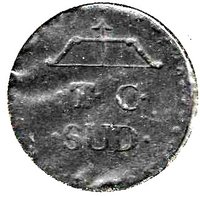
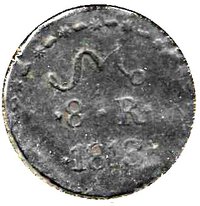
Simultaneously, the local royalist authorities and even some municipalities, facing a desperate shortage of fractional currency for daily transactions, produced their own low-denomination tokens, often crudely struck in copper or other base metals. Consequently, by 1813, the people of Oaxaca navigated a fractured monetary landscape of scarce official coinage, insurgent paper of uncertain value, and various provisional tokens. This financial fragmentation mirrored the political division of the war itself, imposing severe hardship on the populace through price inflation, market confusion, and a profound loss of monetary confidence.