

1 Lira – Turkey
Turkey

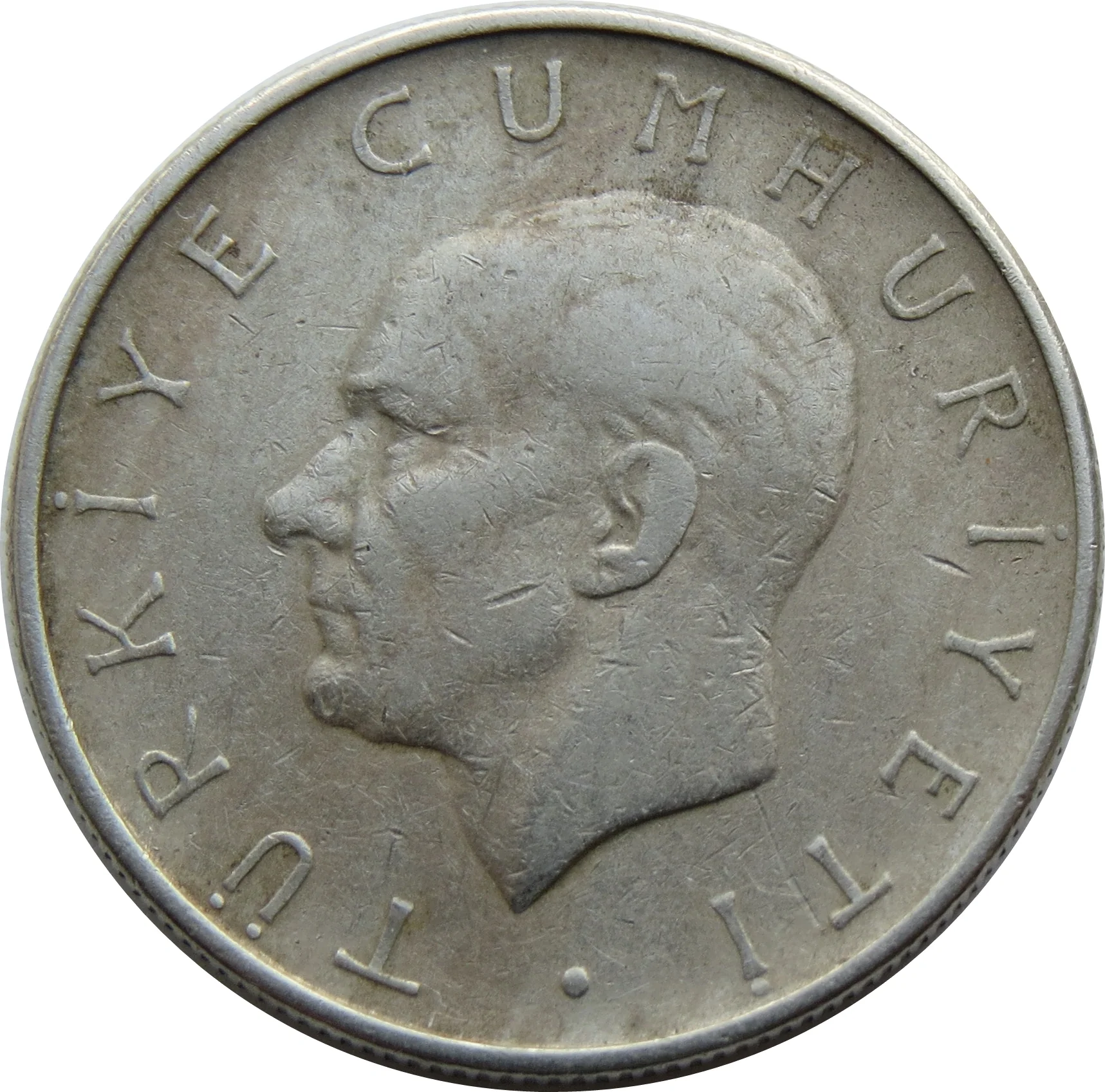
Obverse
Description:
Portrait of Atatürk facing left.
Inscription:
TÜRKİYE CUMHURİYETİ
Translation:
REPUBLIC OF TURKEY
Script: Latin
Language: Turkish
Engraver: Pietro Giampaoli
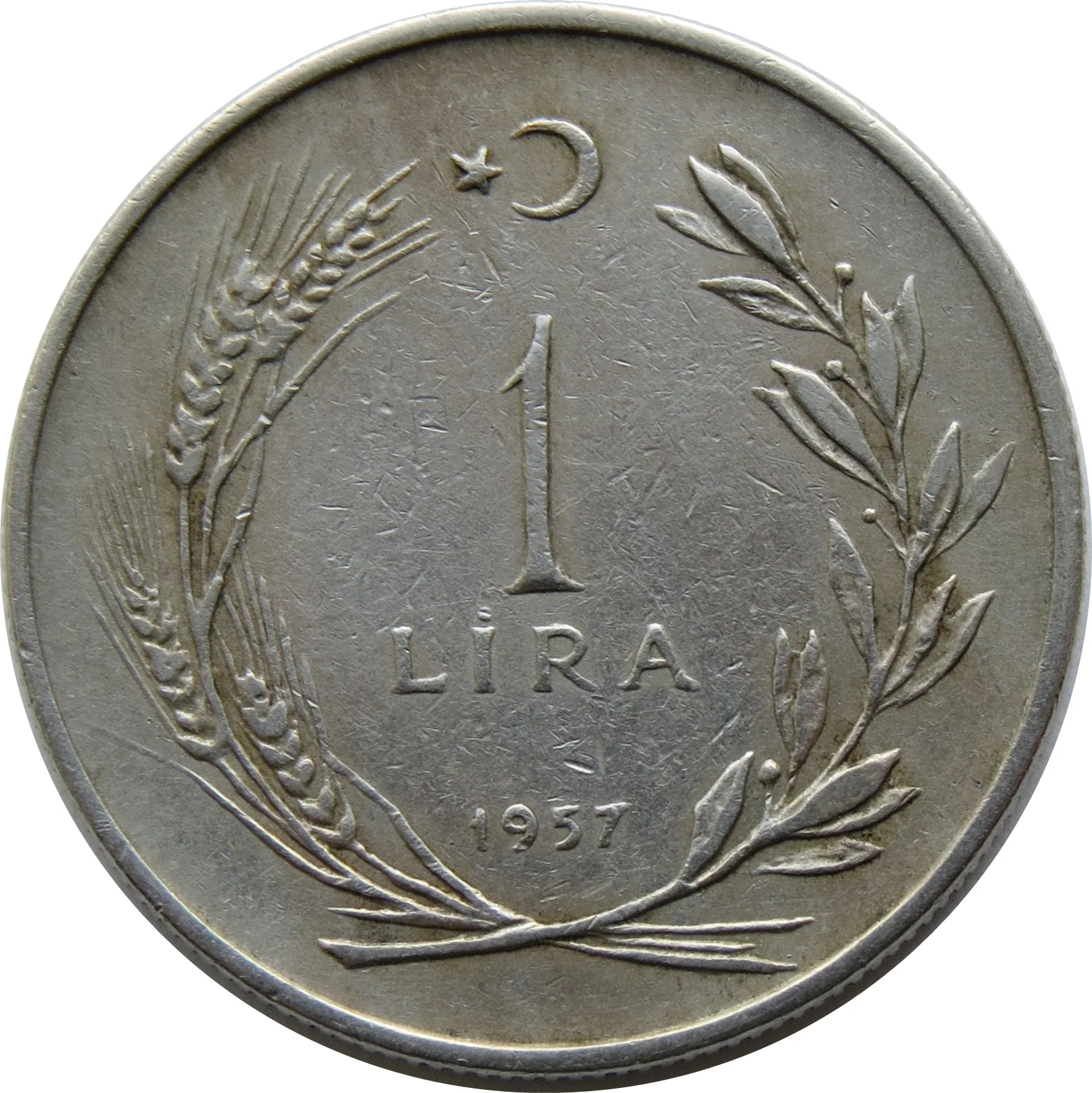
Reverse
Description:
Value and date inside wreath; crescent and star above.
Inscription:
1
LİRA
1957
LİRA
1957
Translation:
One Lira
1957
1957
Script: Latin
Language: Turkish
Engraver: Pietro Giampaoli
Edge
Milled
Categories
| Person> Politician |
| Symbol> Wreath |
Mints
| Name | Mark |
|---|---|
| Turkish State Mint | — |
Mintings
| Year | Mint Mark | Mintage | Quality | Collection |
|---|---|---|---|---|
| 1957 | — | 25,000,000 |
Historical background
In 1957, Turkey's currency situation was characterized by significant economic strain under the government of Prime Minister Adnan Menderes. The period was part of the broader Democrat Party era (1950-1960), marked by ambitious but often poorly planned development policies financed heavily by foreign borrowing and the printing of money. While the early 1950s saw growth, by mid-decade, the economy was overheating. A large trade deficit, dwindling foreign exchange reserves, and rampant inflation created intense pressure on the Turkish lira, which had a fixed official exchange rate established in 1946.
The government's response was a classic example of exchange control and a multi-tiered currency system. Alongside the official rate, a more realistic "free market" or black-market rate for foreign currency emerged, creating a wide and damaging gap. To manage the crisis, authorities introduced a complex system of "premium rates" for specific transactions, effectively devaluing the lira for importers and certain sectors while trying to maintain the fiction of a stable official parity. This ad-hoc approach led to distortions, encouraged smuggling and corruption, and failed to address fundamental imbalances.
Ultimately, the currency crisis of 1957 was a pivotal symptom of deeper macroeconomic mismanagement. It eroded public confidence, contributed to severe inflation that hurt living standards, and exposed the fragility of Turkey's import-dependent economic model. The situation continued to deteriorate, culminating in a major devaluation and the imposition of a strict stabilization program in 1958 under guidance from the International Monetary Fund and the Organisation for European Economic Co-operation (OEEC), setting a precedent for external intervention in Turkish economic affairs.
The government's response was a classic example of exchange control and a multi-tiered currency system. Alongside the official rate, a more realistic "free market" or black-market rate for foreign currency emerged, creating a wide and damaging gap. To manage the crisis, authorities introduced a complex system of "premium rates" for specific transactions, effectively devaluing the lira for importers and certain sectors while trying to maintain the fiction of a stable official parity. This ad-hoc approach led to distortions, encouraged smuggling and corruption, and failed to address fundamental imbalances.
Ultimately, the currency crisis of 1957 was a pivotal symptom of deeper macroeconomic mismanagement. It eroded public confidence, contributed to severe inflation that hurt living standards, and exposed the fragility of Turkey's import-dependent economic model. The situation continued to deteriorate, culminating in a major devaluation and the imposition of a strict stabilization program in 1958 under guidance from the International Monetary Fund and the Organisation for European Economic Co-operation (OEEC), setting a precedent for external intervention in Turkish economic affairs.
🌱 Very Common