

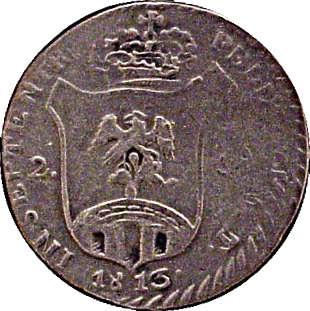
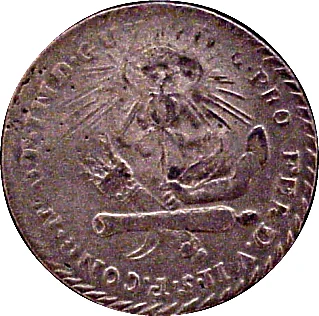
2 Reales – Mexico
Mexico
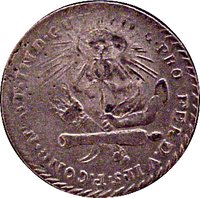
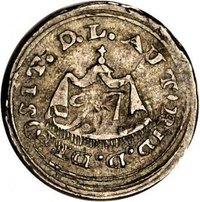
Obverse
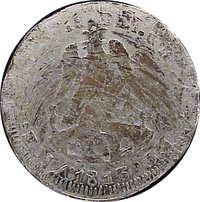
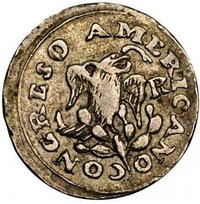
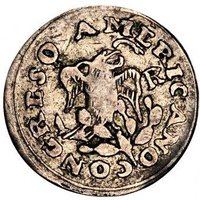
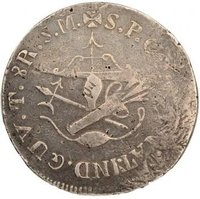
Reverse
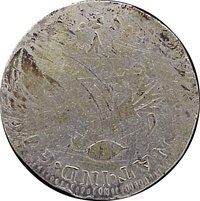
Edge
Mintings
| Year | Mint Mark | Mintage | Quality | Collection |
|---|---|---|---|---|
| 1813 | — | — |
Historical background
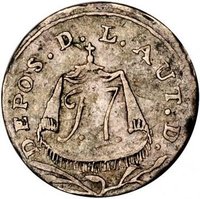
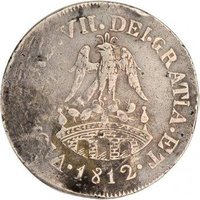
In 1813, Mexico’s currency situation was a chaotic reflection of the ongoing War of Independence, which had begun in 1810. The royalist forces, loyal to the Spanish Crown, controlled major cities and mining centers, and thus maintained the official monetary system based on silver reales and gold escudos minted at the Mexico City Mint. However, the insurgency, led by figures like José María Morelos who convened the Congress of Chilpancinge that year, operated from the countryside and lacked access to official mints and precious metal supplies. This forced the rebel cause to finance itself through alternative, often unstable, means.
To fund their military and administrative operations, insurgent leaders resorted to issuing a variety of improvised currencies. These included crude copper or silver coins, often stamped with simple designs like bows and arrows, and paper money or promissory notes known as vales. These tokens had little to no intrinsic value and were not backed by substantial silver reserves; their worth was based purely on the promise of future redemption upon a rebel victory. Consequently, their acceptance was limited to territories under insurgent control and their value fluctuated wildly with the fortunes of war, leading to severe inflation and distrust among the populace.
The result was a deeply fragmented monetary landscape where two incompatible systems coexisted in conflict. In royalist strongholds, the traditional, trusted Spanish colonial coinage circulated, though even there, economic disruption from the war caused shortages and hoarding. In rebel-held areas, a patchwork of emergency currencies circulated with uncertain value, undermining economic stability. This financial disarray in 1813 was both a symptom and a cause of the broader societal collapse, hindering trade and supply lines for all sides and illustrating the immense challenge of building a stable economic foundation for a nascent nation amidst a brutal civil war.
To fund their military and administrative operations, insurgent leaders resorted to issuing a variety of improvised currencies. These included crude copper or silver coins, often stamped with simple designs like bows and arrows, and paper money or promissory notes known as vales. These tokens had little to no intrinsic value and were not backed by substantial silver reserves; their worth was based purely on the promise of future redemption upon a rebel victory. Consequently, their acceptance was limited to territories under insurgent control and their value fluctuated wildly with the fortunes of war, leading to severe inflation and distrust among the populace.
The result was a deeply fragmented monetary landscape where two incompatible systems coexisted in conflict. In royalist strongholds, the traditional, trusted Spanish colonial coinage circulated, though even there, economic disruption from the war caused shortages and hoarding. In rebel-held areas, a patchwork of emergency currencies circulated with uncertain value, undermining economic stability. This financial disarray in 1813 was both a symptom and a cause of the broader societal collapse, hindering trade and supply lines for all sides and illustrating the immense challenge of building a stable economic foundation for a nascent nation amidst a brutal civil war.
Series: 1813 Mexico circulation coins

✨ Legendary