

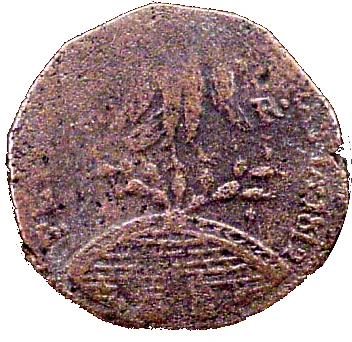
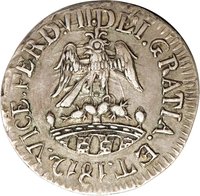
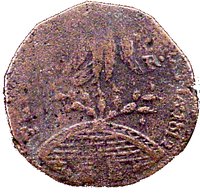
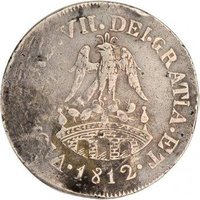
Obverse
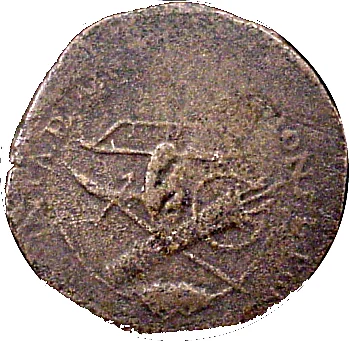
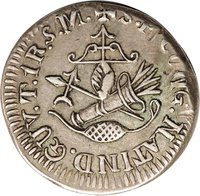
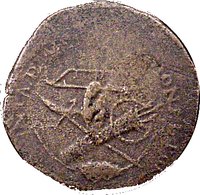
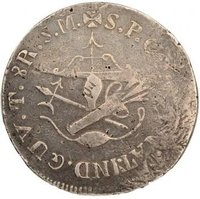
Reverse
Edge
Plain
Mintings
| Year | Mint Mark | Mintage | Quality | Collection |
|---|---|---|---|---|
| 1812 | — | — | ||
| 1813 | — | — | ||
| 1814 | — | — |
Historical background
In 1812, Mexico’s currency situation was chaotic and deeply entangled with the ongoing War of Independence, which had begun in 1810. The royalist authorities, loyal to the Spanish Crown and controlling major cities like Mexico City, struggled to maintain the official monetary system based on silver reales and gold escudos. However, the protracted war had severely disrupted silver mining—the colony's economic lifeblood—leading to a critical shortage of specie (coined money). To finance the war effort, the viceregal government resorted to issuing paper money and debasing coinage, which eroded public trust and sparked inflation, particularly in urban centers under royalist control.
Simultaneously, the insurgent forces, led by figures like Miguel Hidalgo and later José María Morelos, operated in the countryside and faced an even more acute monetary crisis. Lacking access to the official mint and bullion reserves, they established their own improvised mints in captured towns such as Sultepec and Tlalpujahua. Here, they struck crude copper or silver coins, often stamped with nationalist symbols like bows and arrows or the legend "SUD" (Suprema Junta Nacional Americana). This insurgent currency was primarily a tool of military necessity, used to pay troops and procure supplies, but it held little value outside territories they firmly controlled, creating a fractured monetary landscape.
Consequently, Mexico in 1812 functioned with a dual and unstable monetary system: a debased and inflationary official currency in royalist areas, and a localized, unreliable insurgent currency in rebel-held zones. This fragmentation severely hampered commerce and deepened economic hardship for the population. The pervasive uncertainty over the value and legitimacy of any form of money reflected the broader conflict for national sovereignty, making the currency itself a tangible symbol of the struggle and the collapsing old colonial order.
Simultaneously, the insurgent forces, led by figures like Miguel Hidalgo and later José María Morelos, operated in the countryside and faced an even more acute monetary crisis. Lacking access to the official mint and bullion reserves, they established their own improvised mints in captured towns such as Sultepec and Tlalpujahua. Here, they struck crude copper or silver coins, often stamped with nationalist symbols like bows and arrows or the legend "SUD" (Suprema Junta Nacional Americana). This insurgent currency was primarily a tool of military necessity, used to pay troops and procure supplies, but it held little value outside territories they firmly controlled, creating a fractured monetary landscape.
Consequently, Mexico in 1812 functioned with a dual and unstable monetary system: a debased and inflationary official currency in royalist areas, and a localized, unreliable insurgent currency in rebel-held zones. This fragmentation severely hampered commerce and deepened economic hardship for the population. The pervasive uncertainty over the value and legitimacy of any form of money reflected the broader conflict for national sovereignty, making the currency itself a tangible symbol of the struggle and the collapsing old colonial order.
Series: 1812 Mexico circulation coins

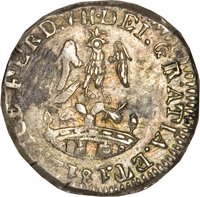
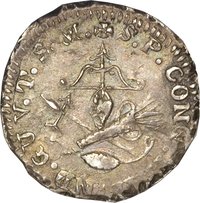
✨ Legendary