

50 Pence – Jersey
Context
Years: 1998–2016
Country: British Crown dependencies
Issuer: Jersey 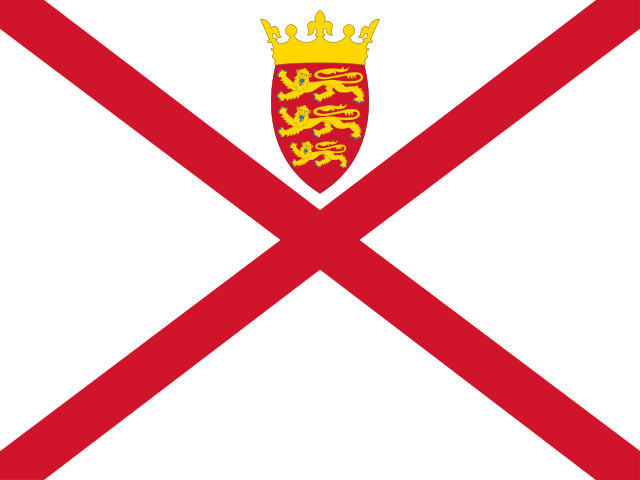
Ruler: Elizabeth II
Currency:
(since 1971)
Total mintage: 3,715,000
Material
Diameter: 27.3 mm
Weight: 8 g
Shape: Equilateral curve heptagon
Composition: Copper-nickel
Technique: Milled
Alignment: Medal alignment
flip
References
KM: #Click to copy to clipboard108
Numista: #11087
Value
Exchange value: 0.50 JEP
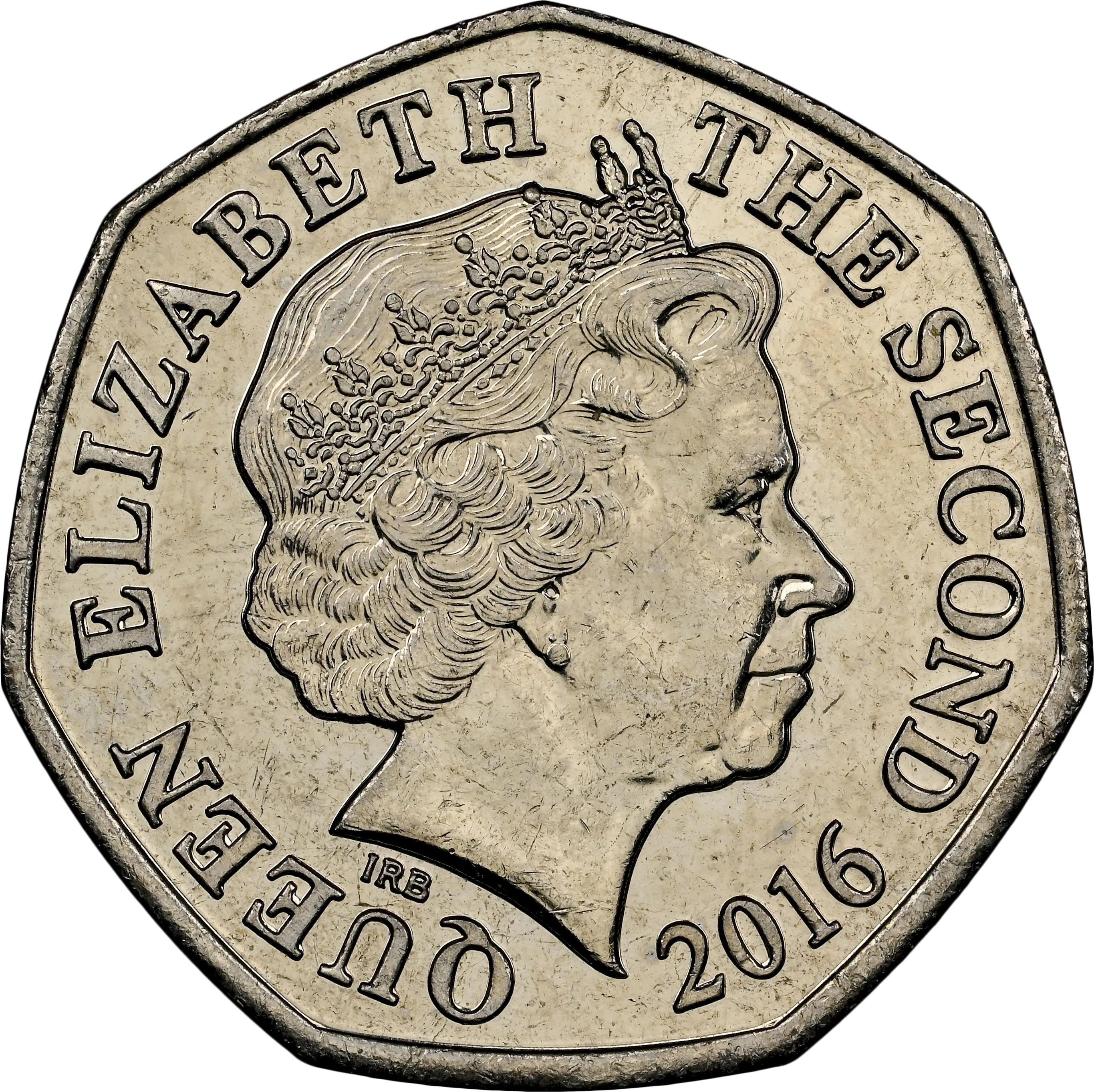
Obverse
Description:
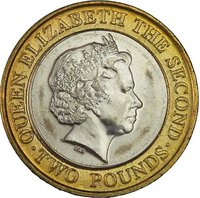
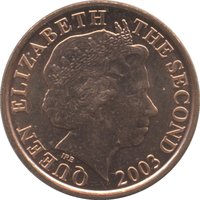
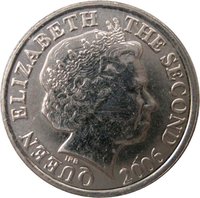
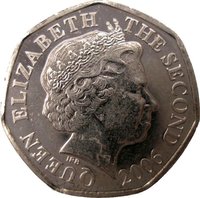
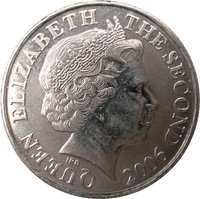
Right-facing crowned portrait. Lettering and date encircling, with the date oriented differently.
Inscription:
QUEEN ELIZABETH THE SECOND
2006
IRB
2006
IRB
Script: Latin
Engraver: Ian Rank-Broadley
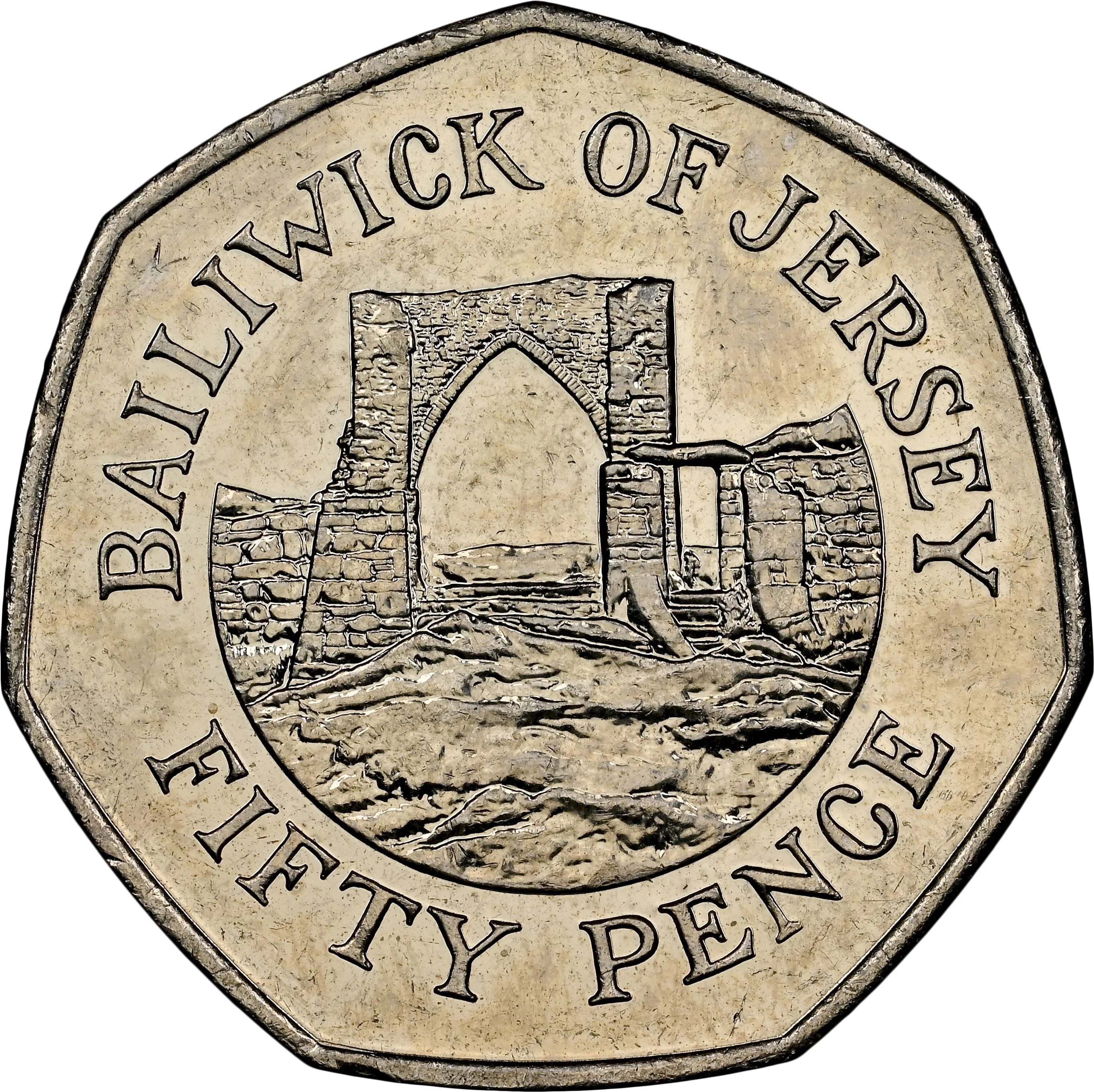
Reverse
Description:
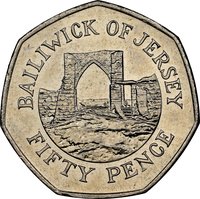
Grosnez Castle central. Lettering above, denomination below.
Inscription:
BAILIWICK OF JERSEY
FIFTY PENCE
FIFTY PENCE
Script: Latin
Engraver: Robert Lowe
Edge
Plain
Mints
| Name | Mark |
|---|---|
| Royal Mint | — |
Mintings
| Year | Mint Mark | Mintage | Quality | Collection |
|---|---|---|---|---|
| 1998 | — | 2,000,000 | ||
| 2003 | — | 10,000 | ||
| 2005 | — | 200,000 | ||
| 2006 | — | 300,000 | ||
| 2009 | — | 480,000 | ||
| 2012 | — | 365,000 | ||
| 2014 | — | 240,000 | ||
| 2016 | — | 120,000 |
Historical background
In 1998, Jersey's currency situation was defined by its unique constitutional position as a British Crown Dependency, which granted it autonomy over domestic affairs, including the issuance of its own currency. The island's official currency was the Jersey pound, which was not a separate currency in the foreign exchange markets but a local issue of sterling banknotes and coins. These notes, issued by the States of Jersey, were pegged at par with the British pound sterling (GBP) and circulated alongside UK-issued notes and coins, creating a practical and accepted mixed monetary environment on the island.
This system was underpinned by a Currency Fund established in 1972, which held sterling reserves and UK government securities to fully back the value of Jersey-issued notes in circulation. This conservative and secure approach ensured absolute confidence in the parity with sterling, which was crucial for Jersey's economy given its deep financial and trade links with the United Kingdom. The island had no central bank; instead, the Finance and Economics Committee of the States of Jersey managed this fund and currency policy.
The context of 1998 was one of stability and continuity. The year fell within the long pre-euro era, and there was no serious debate about altering the fundamental peg to sterling, which provided economic stability. However, discussions were ongoing regarding modernising coinage designs and enhancing the security features of banknotes to combat counterfeiting, reflecting technical updates rather than monetary policy shifts. This robust and simple system effectively supported Jersey's thriving finance sector and tourism industry, insulating it from the currency turbulence seen elsewhere in Europe during that period.
This system was underpinned by a Currency Fund established in 1972, which held sterling reserves and UK government securities to fully back the value of Jersey-issued notes in circulation. This conservative and secure approach ensured absolute confidence in the parity with sterling, which was crucial for Jersey's economy given its deep financial and trade links with the United Kingdom. The island had no central bank; instead, the Finance and Economics Committee of the States of Jersey managed this fund and currency policy.
The context of 1998 was one of stability and continuity. The year fell within the long pre-euro era, and there was no serious debate about altering the fundamental peg to sterling, which provided economic stability. However, discussions were ongoing regarding modernising coinage designs and enhancing the security features of banknotes to combat counterfeiting, reflecting technical updates rather than monetary policy shifts. This robust and simple system effectively supported Jersey's thriving finance sector and tourism industry, insulating it from the currency turbulence seen elsewhere in Europe during that period.
Series: 1998 Jersey circulation coins
🌱 Very Common